


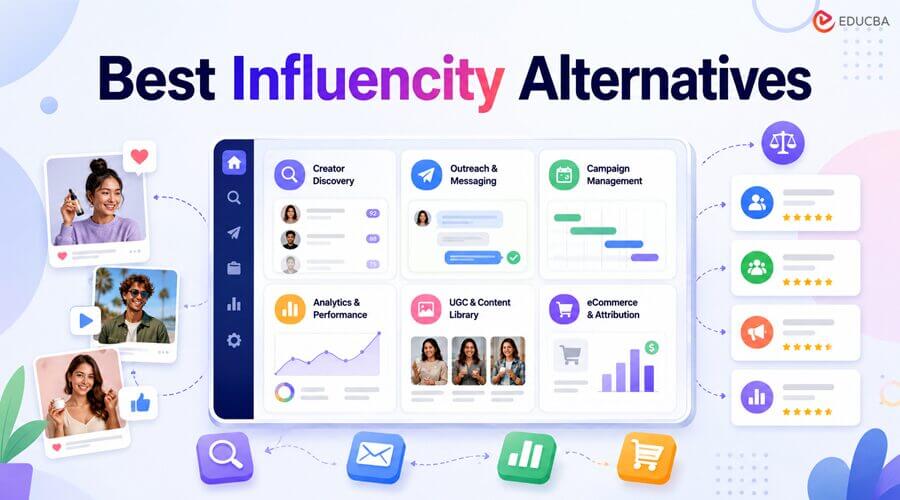
Most teams do not leave Influencity because discovery disappointed them. They start looking for Influencity Alternatives because the campaign keeps going long after the shortlist is built. Influencity searches a 200M+ database with audience analysis, a Kanban CRM, and Shopify-linked discount codes. What comes next is thinner: outreach replies land in a personal inbox, attribution stops at Shopify, and creator content has no library or licensing workflow.
The eight platforms below all extend past discovery into execution. Leading the list is Influencer Hero, which pairs a 450M+ creator database and built-in fraud detection with what Influencity leaves out: AI outreach through a centralized inbox at a 43% response rate, a three-layer CRM, six eCommerce integrations, and a UGC library with rights handling. At $649/month, it is a step up in scope, not a like-for-like swap.
- Influencer Hero
- Modash
- HypeAuditor
- Storyclash
- GRIN
- Sprout Social
- Aspire
- CreatorIQ
Why Brands Are Looking For Influencity Alternatives?
Brands exploring Influencity Alternatives usually do so because they need stronger campaign execution after creator discovery. The reasons often cluster around what happens once the shortlist is built:
- No In-Platform Inbox: Replies are sent to a standard email account, and negotiation occurs outside the tool. Manageable at ten creators, fragmented at two hundred.
- No UGC Library or Rights Layer: Creator content is not stored or licensed in-platform, so assets scatter and reuse rights get chased separately.
- Shopify-Only eCommerce: No native WooCommerce, BigCommerce, or Magento attribution.
- Public-Data Accuracy: Profiles are compiled from public sources, and some teams report drift, requiring manual checks.
Influencity Overview
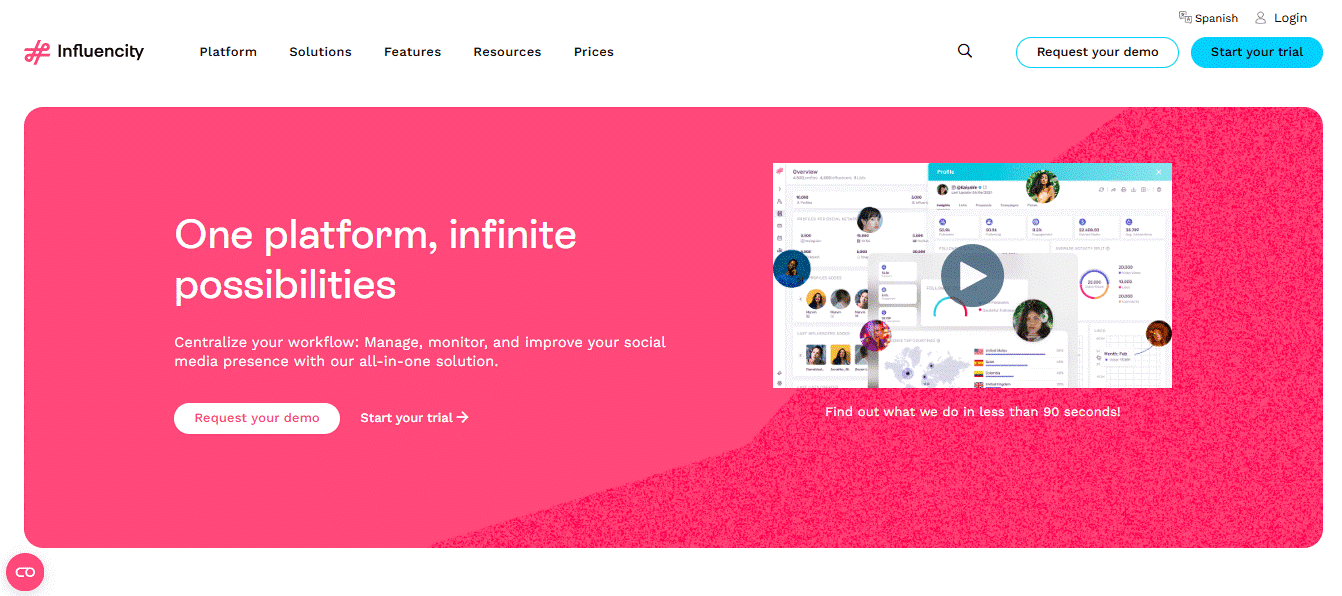
(Image Source: Influencity)
Influencity performs well for discovering and evaluating creators, especially for Shopify-based campaigns. However, many businesses researching Influencity Alternatives need additional features such as centralized outreach, UGC management, creator licensing, multi-store attribution, and advanced workflow automation. The platforms below are designed to extend beyond discovery and support the entire influencer marketing lifecycle.
Best Influencity Alternatives in 2026
The following Influencity Alternatives were selected based on creator discovery, campaign management, CRM, outreach, analytics, eCommerce integrations, and pricing. Each platform offers unique strengths to help brands and agencies choose the best solution for their influencer marketing needs.
1. Influencer Hero
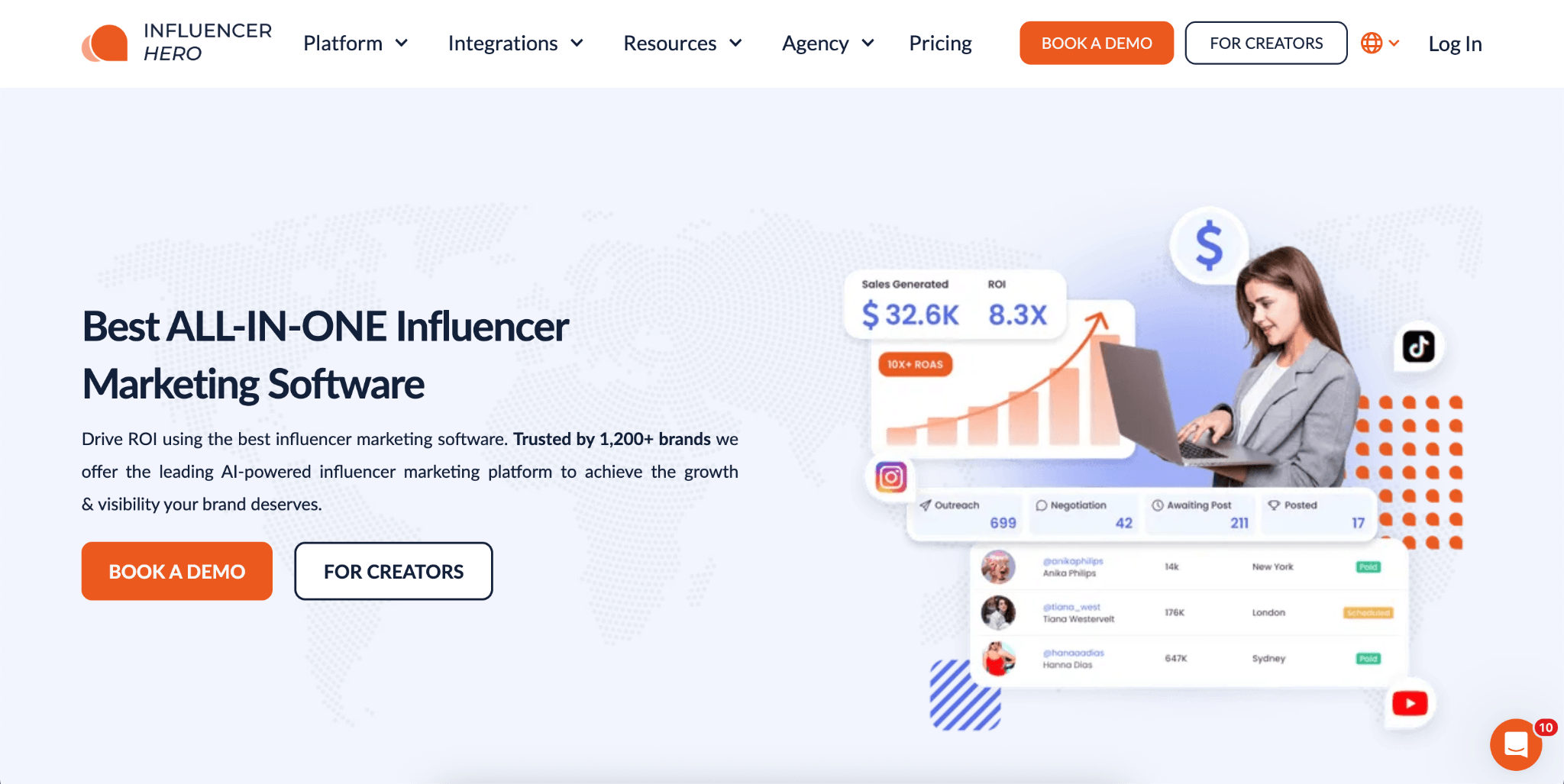
(Image Source: Influencer Hero)
Influencer Hero treats discovery as the first step of a program rather than the product. Among the leading Influencity Alternatives, it stands out for its 450M+ creator database across eight platforms, more than double Influencity’s reported creator pool. The platform combines fraud detection within discovery and a free Chrome Extension for creator vetting.
From there, it manages the rest of the influencer marketing workflow through a three-layer CRM with rules-based automation, AI-powered outreach in a centralized inbox, gifting, affiliate tracking, six eCommerce integrations, and a UGC content library that keeps licensing rights attached to every asset.
Best for: Agencies and DTC brands that want Influencity-grade discovery plus the execution layer – outreach, CRM, gifting, UGC licensing, and multi-store attribution – in one place.
Pricing:
- Standard $649/month, Pro $1,049/month, Business $2,490/month
- Monthly billing with a three-month minimum, or annual from ~$454/month
Standout features:
- 450M+ Creator Database: eight platforms, fraud detection inside discovery.
- Centralized Inbox: AI-personalized outreach, every reply in one workspace.
- UGC Library: tagged content captured, scored, and licensed per asset.
- Six eCommerce Integrations: Shopify, WooCommerce, Magento, BigCommerce, PrestaShop, Amazon.
At $649/month, it sits above Influencity’s Basic and Professional tiers, and its breadth is more than a brand running two or three campaigns a year will use.
2. Modash
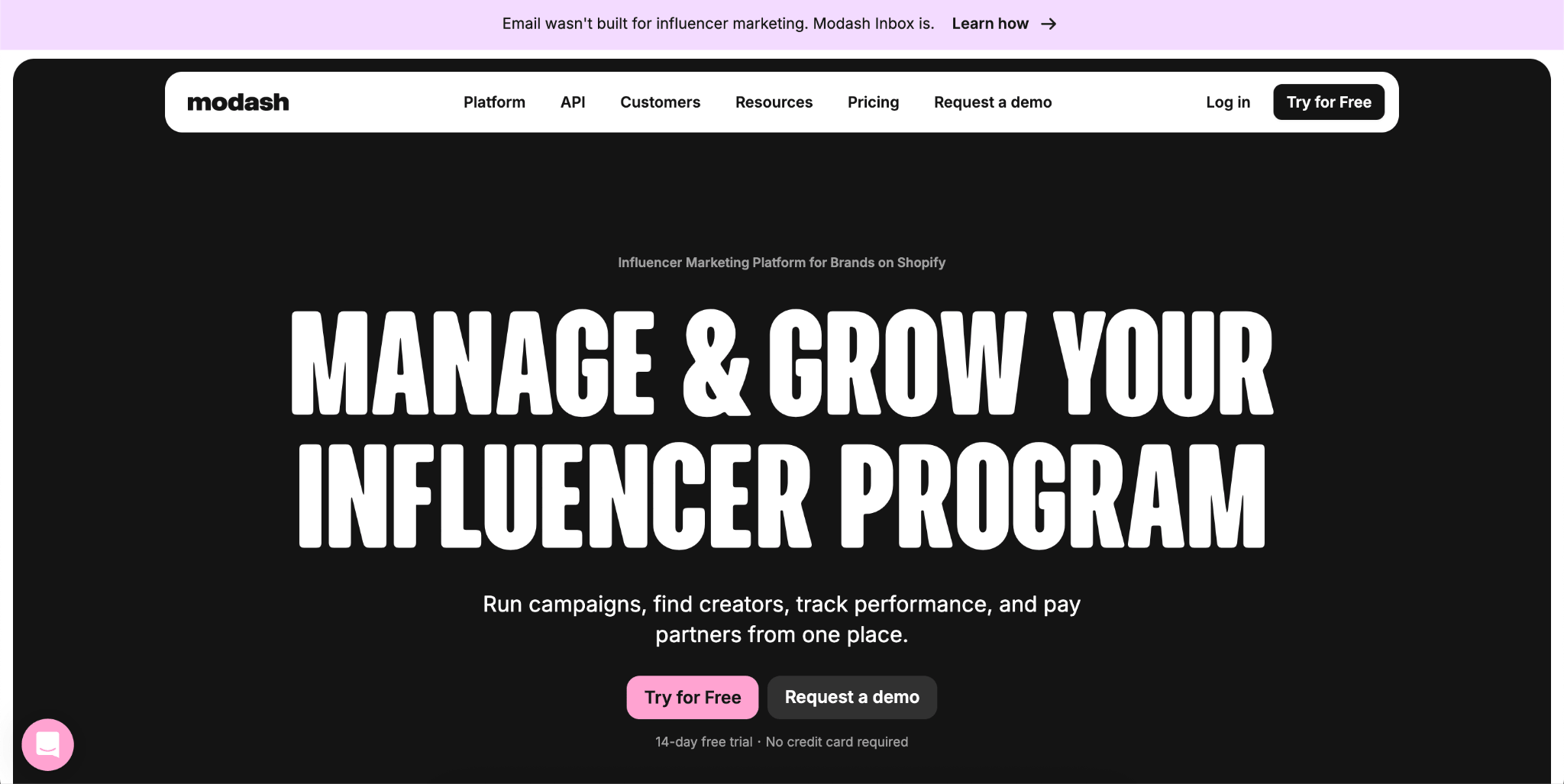
(Image Source: Modash)
Modash is one of the closest Influencity Alternatives for teams that primarily value creator discovery. It provides access to more than 350M public creator profiles across Instagram, TikTok, and YouTube without restricting search filters by pricing tier.
The platform also supports domain-based outreach sequences that automatically stop once a creator replies, making influencer communication more efficient.
Best for: Teams wanting the largest, most transparent discovery pool with built-in light outreach.
Pricing:
- Essentials $299/month ($199 annually); Performance $599/month ($499 annually)
- 14-day free trial; 5% payment transaction fee
Standout features:
- 350M+ profiles, no gated filters on either tier
- Search by vibe or reference image, not just keywords
A 5% fee applies to in-platform payments, and tracking centers on Shopify, the same limit as Influencity.
3. HypeAuditor
(Image Source: HypeAuditor)
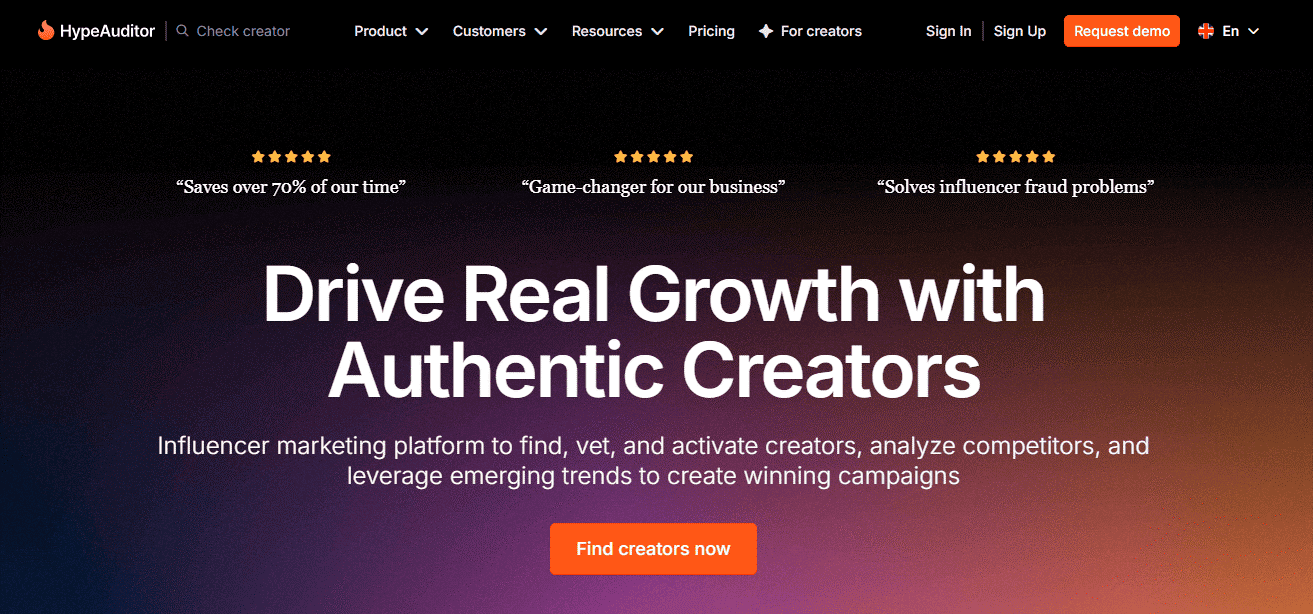
If your main reason for researching Influencity Alternatives is improving data accuracy and fraud detection, HypeAuditor is one of the strongest choices available. Its 200M+ creator database is widely recognized for industry-leading fake-follower detection and audience authenticity analysis. It also includes Snapchat coverage, which many competing platforms do not offer.
The platform’s AI Scout feature converts campaign requirements into ranked creator recommendations, helping marketers build high-quality shortlists faster.
Best for: Teams that put fraud detection and verified audience quality ahead of workflow features.
Pricing:
- Free plan available; Basic around $299/month billed annually
- Higher tiers and Enterprise: custom, demo-gated pricing
Standout features:
- Gold-standard audience-authenticity and fraud analysis
- AI Scout turns a brief into a ranked shortlist
It is a vetting tool rather than a campaign platform, so outreach, CRM, and gifting stay elsewhere.
4. Storyclash
(Image Source: Storyclash)
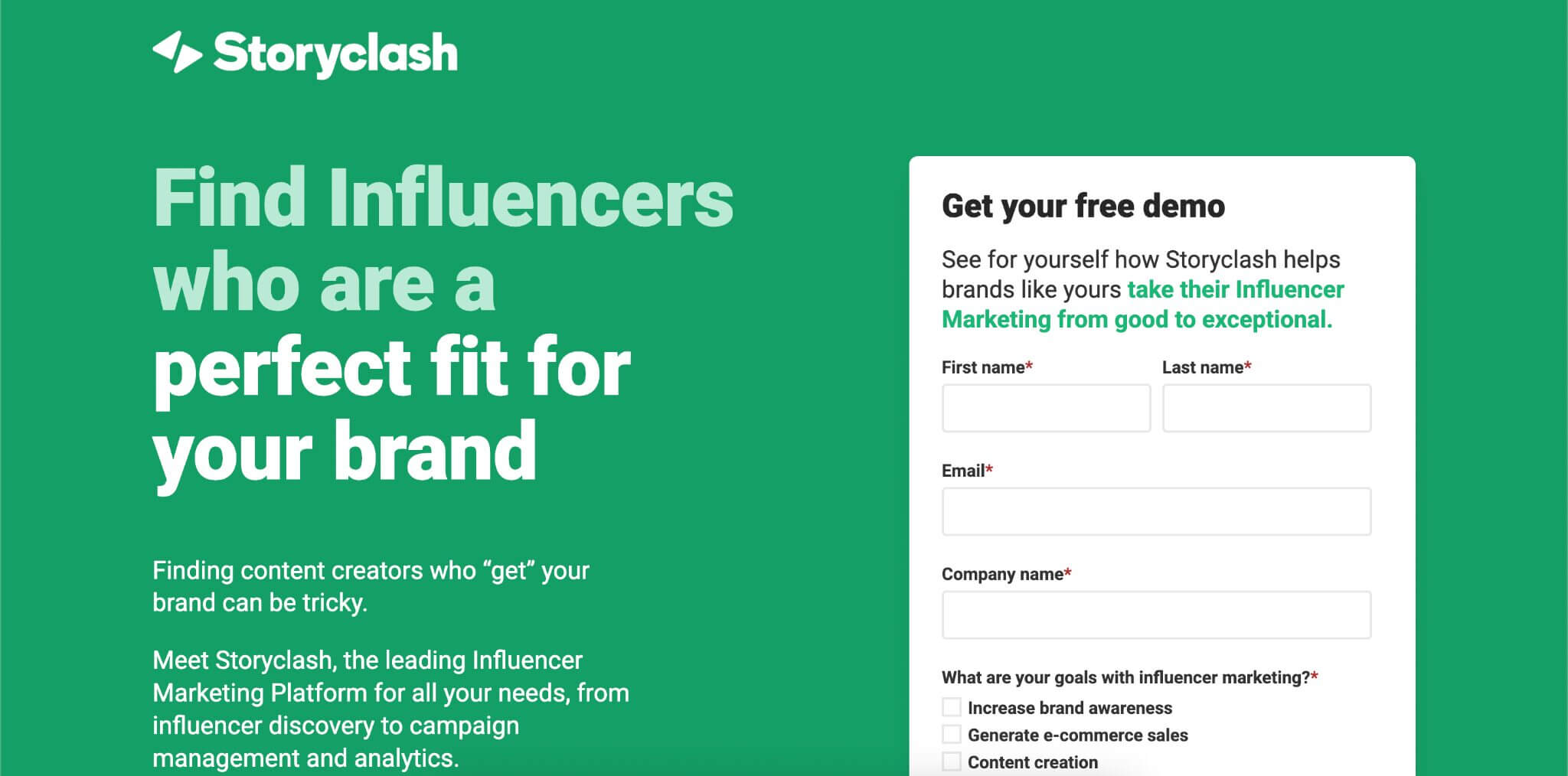
Storyclash takes a different approach from many Influencity Alternatives by focusing on creator content performance rather than just creator databases. Its 183M+ creator database is searchable using keywords, images, or AI prompts, while also preserving historical content, including expired Instagram Stories.
Instead of simply identifying influencers, Storyclash helps brands understand how creator content performs and which influencers competitors are working with.
Best for: Brands that want to benchmark creators by what their content actually does.
Pricing:
- From EUR 499/month (around $545), with EUR 999 and EUR 1,899 tiers
- Enterprise available; annual contract with a 12-month minimum
Standout features:
- Discovery by AI prompt, keyword, or image recognition
- Competitive tracking of which creators rival brands use
No contract or licensing workflow, so rights stay manual, and it needs a 12-month commitment.
5. GRIN
(Image Source: GRIN)
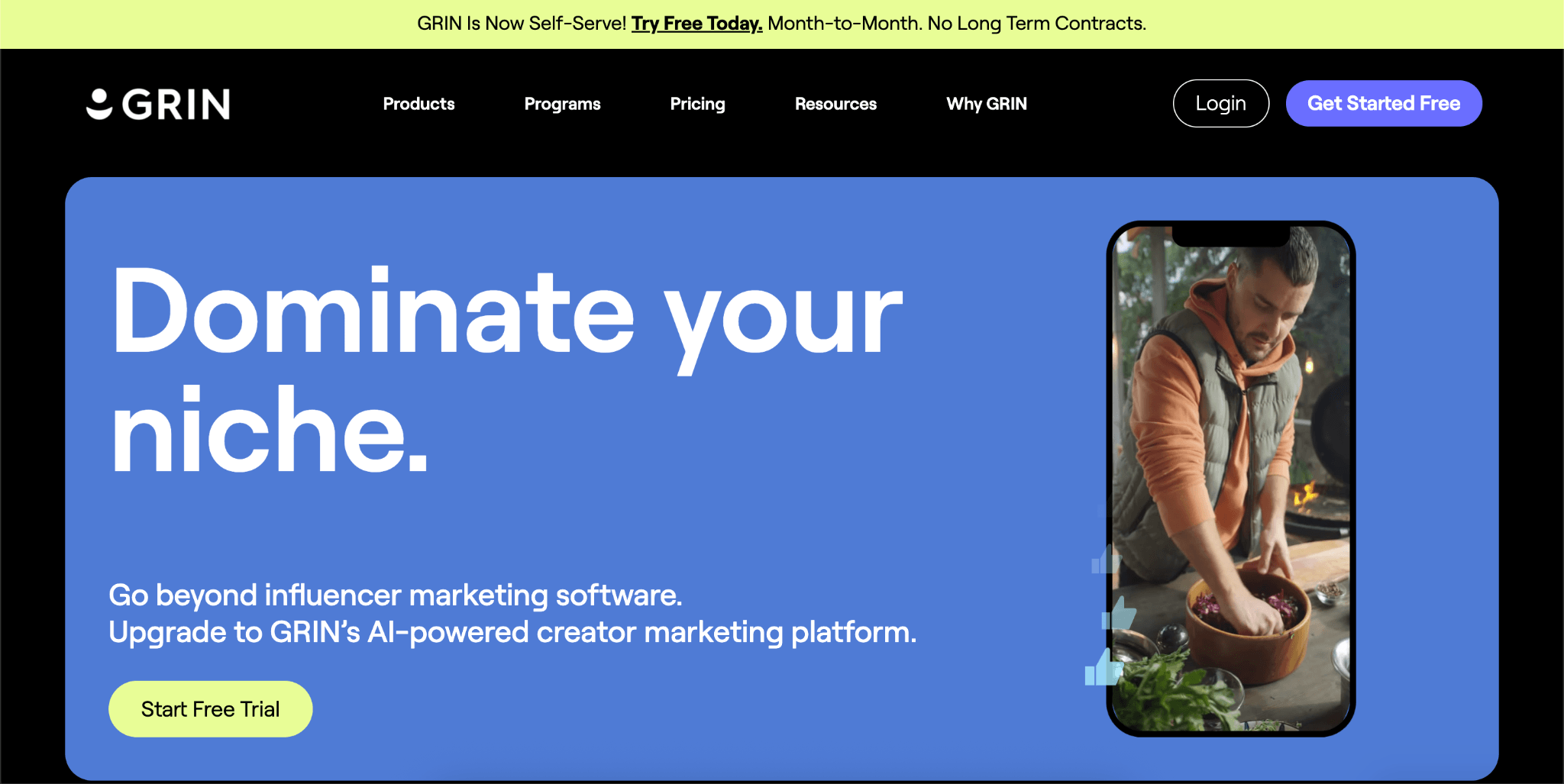
GRIN is one of the strongest Influencity Alternatives for eCommerce businesses. Unlike Influencity’s Shopify-focused approach, GRIN supports discovery, CRM, messaging, gifting, contracts, analytics, and affiliate management, and offers native integrations with Shopify, WooCommerce, BigCommerce, and Magento.
This makes it particularly attractive for brands operating multiple online stores and running large influencer gifting or affiliate programs.
Best for: DTC brands running seeding and affiliate programs across multiple storefronts.
Pricing:
- Tiered plans from $399/month (Lite) to $1,799/month (Complete)
- Month-to-month billing with a 30-day trial; Core enterprise from ~$25,000/year.
Standout features:
- Four native eCommerce integrations for gifting and tracking
- Affiliate hub with no platform fee or revenue share.
GRIN does not publish a database size, and its discovery is widely reported to be weaker than that of dedicated sourcing tools.
6. Sprout Social
(Image Source: Sprout Social)
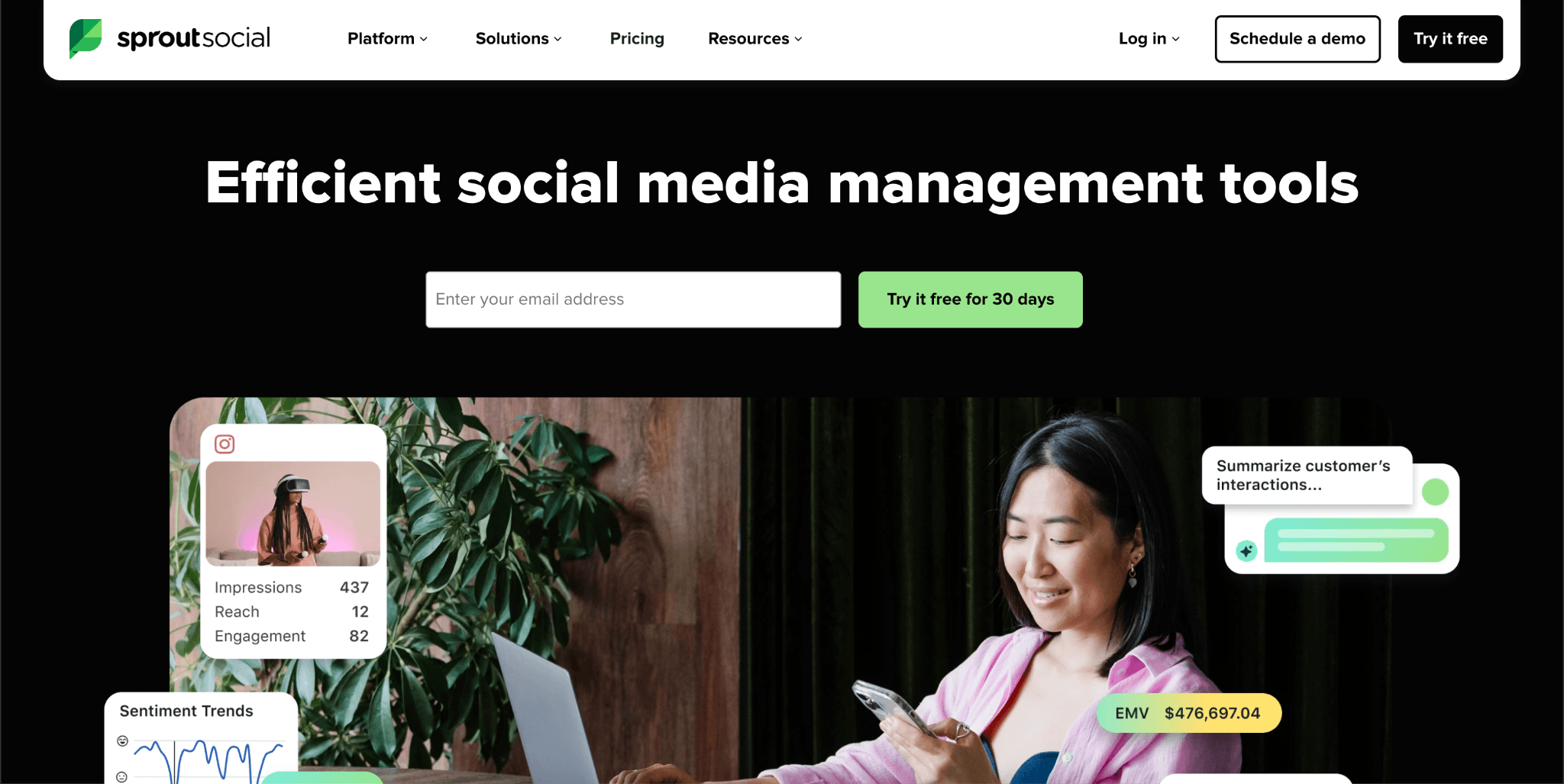
Sprout Social combines influencer marketing capabilities acquired through Tagger with its broader social media management platform. Among enterprise-grade Influencity Alternatives, it stands out for governance, reporting, approvals, and ROI measurement rather than large-scale creator discovery.
For organizations that already use Sprout Social for publishing, listening, and analytics, adding influencer marketing keeps everything within a single ecosystem.
Best for: Teams that need influencer activity to be reported and governed within their wider social suite.
Pricing:
- Core plans $199-$399/user/month, billed annually
- Influencer module quoted separately; 12-month minimum.
Standout features:
- Brand Fit Score ranks creator alignment with your audience
- Approval and contract workflows for multi-stakeholder teams.
Per-user pricing climbs quickly; the influencer module is quoted on top, and there is no bulk outreach automation.
7. Aspire
(Image Source: Aspire)
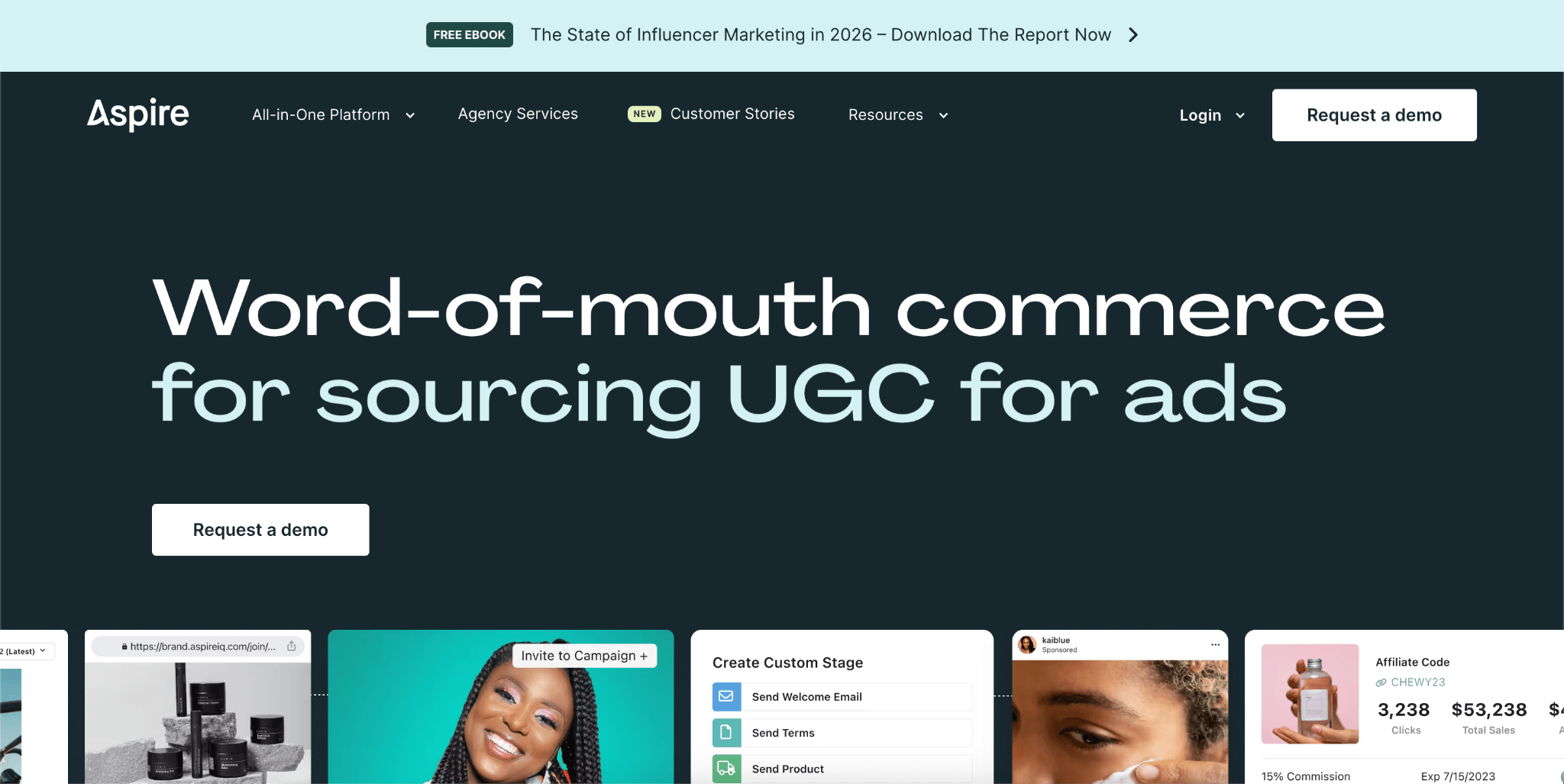
Aspire takes a different approach from many Influencity Alternatives by combining creator discovery with an inbound marketplace where influencers apply directly to brand campaigns. In addition to traditional creator search, it includes built-in digital licensing agreements, making it a great choice for brands that rely on user-generated content (UGC).
This model helps brands spend less time sourcing creators while ensuring content rights are managed within the platform.
Best for: Brands with enough pull to attract inbound applications and a need for licensed content.
Pricing:
- Around $2,000-$2,300/month plus a roughly $2,000 one-time onboarding fee
- Annual contracts required
Standout features:
- Inbound marketplace where creators apply to campaigns
- Built-in digital licensing agreements
It sits well above Influencity on cost once onboarding is included, requires an annual contract, and covers fewer platforms.
8. CreatorIQ
(Image Source: CreatorIQ)
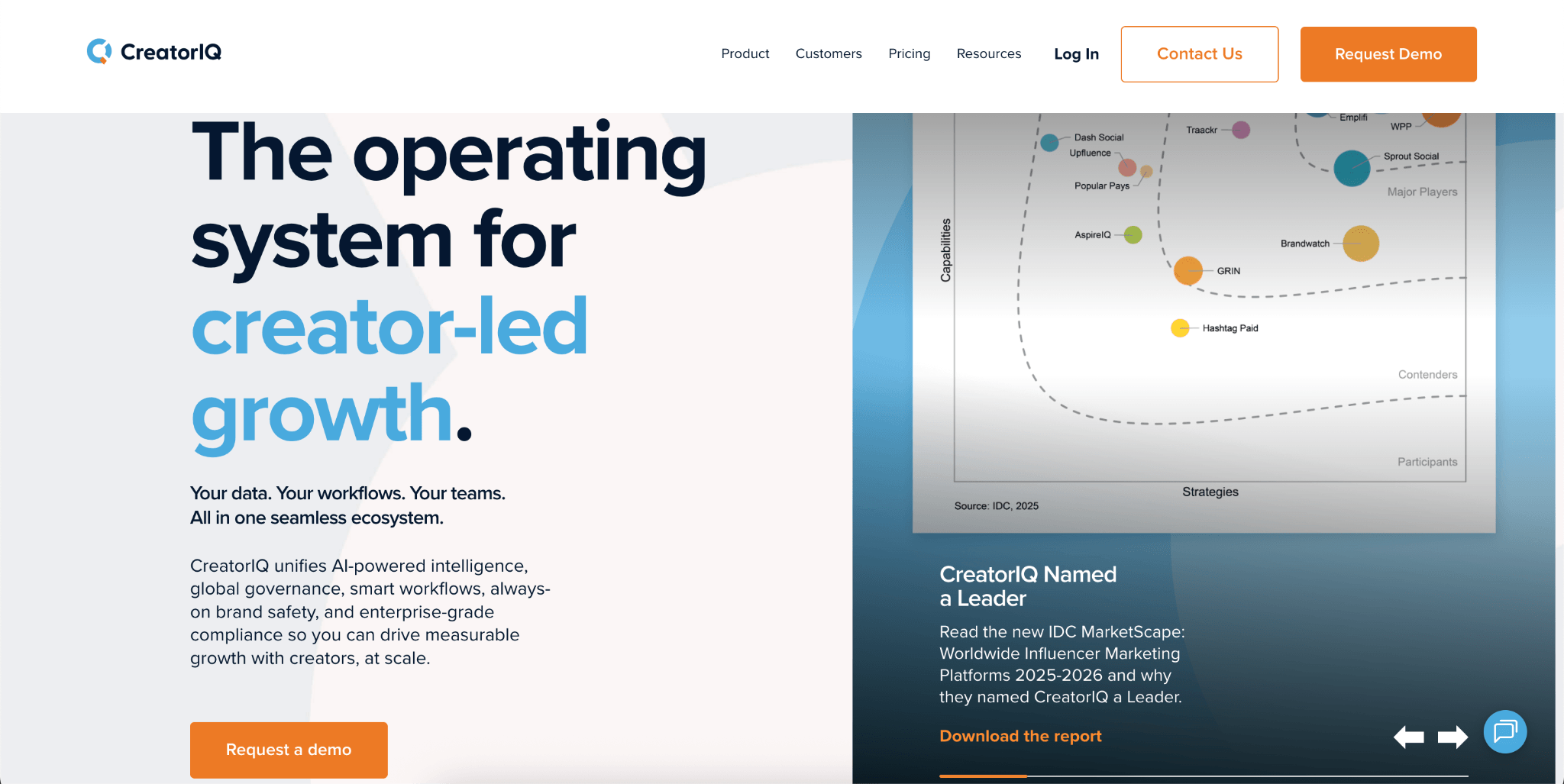
CreatorIQ represents the enterprise end of the Influencity Alternatives market. Instead of relying primarily on publicly available data, it uses direct API integrations with major social platforms to provide verified, real-time creator metrics and advanced governance capabilities.
Its robust approval workflows, compliance tools, and enterprise reporting make it a preferred solution for global organizations managing large influencer programs.
Best for: Global enterprises that need API-verified data, formal governance, and approval chains.
Pricing:
- Quote-only; reported floor around $35,000/year, scaling into six figures
- Annual, per-seat contracts with setup fees; no free trial.
Standout features:
- API-verified real-time metrics rather than public scraping
- SafeIQ fraud and brand-safety screening.
Pricing is opaque and enterprise-scale, and onboarding is long. For mid-market teams who chose Influencity for flexibility, it is overkill.
Cost Comparison of the Best Influencity Alternatives
Influencity itself runs from Basic $168/month to Business $698/month, so several options here are a step up in scope and spend:
| Platform | Starting Price | Contract | Review Score |
| Influencer Hero | $649/mo (annual from ~$454/mo) | Monthly (3-mo min) or annual | 5.0 Capterra |
| Modash | $299/mo ($199/mo annual) | Annual or monthly | 4.9 Capterra |
| HypeAuditor | ~$299/mo (annual) | Annual | 4.8 Capterra |
| Storyclash | From EUR 499/mo (~$545) | Annual (12-mo min) | Not published |
| GRIN | $399-$1,799/mo; Core from ~$25,000/yr | Monthly / annual | 4.5 G2 |
| Sprout Social | $199-$399/user/mo; module quoted | 12-month min | 4.5 Capterra |
| Aspire | ~$2,000-$2,300/mo + ~$2,000 onboarding | Annual | 4.0 |
| CreatorIQ | Quote-only; floor ~$35,000/yr | Annual | 4.6 G2 |
Final Thoughts
Influencity remains a capable platform, particularly for teams focused on discovering and evaluating creators. However, many businesses begin exploring Influencity Alternatives when influencer marketing programs expand beyond creator discovery into outreach, content licensing, affiliate management, and multi-store sales attribution.
The best Influencity Alternatives depend on your business goals. Influencer Hero combines one of the largest creator databases with a complete campaign execution platform, while Modash excels at creator discovery. HypeAuditor is ideal for brands prioritizing audience authenticity, Storyclash specializes in content performance insights, and GRIN supports multi-store eCommerce operations. Aspire focuses on creator marketplaces and UGC licensing, while Sprout Social and CreatorIQ deliver enterprise-level governance and reporting.
Choose the platform that best supports where your influencer marketing program is heading, not just where it is today.
Frequently Asked Questions (FAQs)
Q1. Why are brands looking for Influencity Alternatives?
Answer: Most brands consider Influencity Alternatives because they need stronger campaign execution features beyond creator discovery. Common reasons include no centralized inbox for outreach, limited UGC management, no built-in content licensing, and attribution that is limited to Shopify.
Q2. What is the best all-in-one alternative to Influencity?
Answer: For brands scaling past discovery, Influencer Hero is the closest match: a 450M+ database with built-in fraud detection, a three-layer CRM, AI outreach through a centralized inbox, gifting, a UGC library with rights handling, and six eCommerce integrations.
Q3. Which alternatives handle UGC licensing and content rights?
Answer: Influencer Hero auto-captures tagged content and keeps licensing attached to each asset, Aspire offers built-in digital agreements, and GRIN auto-collects creator content. Influencity has no content library at all.
Q4. Which Influencity Alternatives support eCommerce platforms besides Shopify?
Answer: Several Influencity Alternatives support multiple eCommerce platforms. Influencer Hero integrates with Shopify, WooCommerce, Magento, BigCommerce, PrestaShop, and Amazon. GRIN supports Shopify, WooCommerce, BigCommerce, and Magento, while HypeAuditor provides store-agnostic sales tracking for broader flexibility.
Recommended Articles
We hope this guide helps you compare the best Influencity Alternatives and choose the right influencer marketing platform for your business. Explore these recommended articles for more insights into influencer marketing software, creator discovery, campaign management, UGC, and influencer marketing trends.


