


Learn How to Organize Kitchen Pantry
A well-organized pantry can make everyday cooking easier and more efficient. When shelves become cluttered with random items, it is harder to find ingredients, track expiration dates, or keep food supplies manageable. Learning how to organize kitchen pantry spaces effectively can help reduce food waste, save time while cooking, and improve the overall functionality of your kitchen.
Pantry organization is not just about neat shelves or matching containers. A successful system focuses on accessibility, logical groupings, and storage solutions that work with your cooking habits. With the right approach, even small pantry spaces can become easy to maintain and practical for daily use.
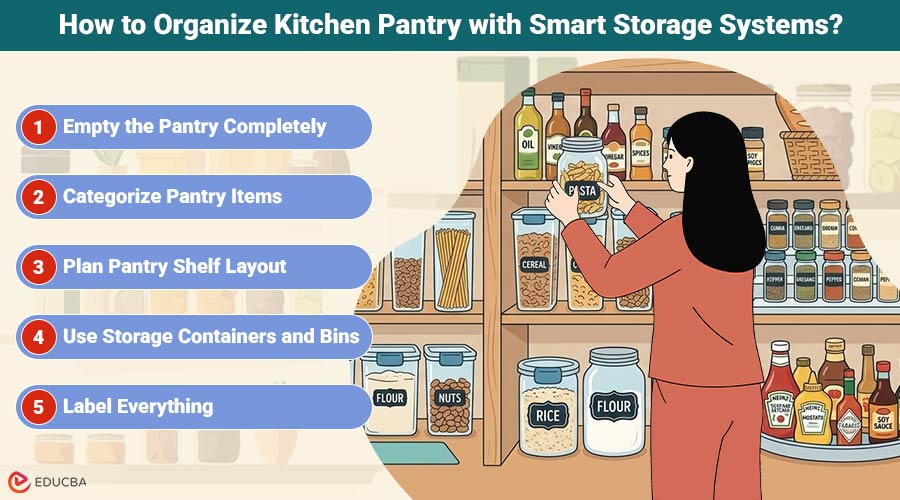
How to Organize Kitchen Pantry with Smart Storage Systems?
Organizing a pantry becomes much easier when you follow a structured process. The following steps explain how to organize kitchen pantry spaces efficiently, making them easier to use and maintain.
1. Empty the Pantry Completely
The first step in organizing a pantry is starting with a completely clean space.
A. Remove Everything from the Shelves
Remove every item from the pantry before beginning the organization process. This allows you to assess how much space you have and identify what items actually belong in the pantry. Removing everything also makes it easier to clean shelves and wipe down surfaces before reorganizing.
B. Check Expiration Dates
As you sort through items, check expiration dates carefully. Discard expired products or ingredients that have been sitting unused for too long. This step alone often frees up significant space.
C. Identify Duplicate Items
It is common to discover multiple open packages of the same ingredient. Consolidating these items reduces clutter and prevents unnecessary purchases later. Starting with a clean pantry makes it easier to build a functional organization system.
2. Categorize Pantry Items
Once everything has been removed and sorted, the next step is grouping items by category.
A. Group Similar Foods Together
Most organized pantries group foods into categories such as:
- Baking supplies
- Canned goods
- Snacks
- Pasta and grains
- Spices and condiments
Grouping similar products helps create a logical system that makes ingredients easier to find.
B. Create Dedicated Storage Zones
After sorting items into categories, assign each category a specific area within the pantry. For example, you can store baking supplies together on one shelf while placing snack items in another section. This zoning system makes it easier to keep the pantry organized over time.
3. Plan Pantry Shelf Layout
Strategic shelf placement helps improve accessibility and visibility.
A. Eye-Level Placement for Frequently Used Items
Items used regularly such as cooking oils, spices, and everyday ingredients—should be stored at eye level. Keeping commonly used items within easy reach reduces the need to search through shelves while cooking.
B. Use Upper Shelves for Bulk Storage
Upper shelves are often best for items used less frequently or stored in bulk. Examples include:
- Large bags of rice or flour
- Bulk snack boxes
- Backup pantry supplies
C. Lower Shelves for Heavier Products
Heavier items, such as canned goods or beverage containers, should be placed on lower shelves for easier access and safety. When homeowners redesign kitchen storage systems, pantry layout planning is often part of larger kitchen improvements. Resources like Kitchen Search help homeowners explore layout ideas that improve kitchen storage and overall organization.
4. Use Storage Containers and Bins
Storage containers can greatly help keep a pantry organized and tidy.
A. Clear Containers for Dry Goods
Clear containers let you easily see the contents and monitor ingredient levels. They work well for storing items like:
- Flour
- Sugar
- Rice
- Cereal
Clear containers also help maintain freshness while reducing packaging clutter.
B. Stackable Bins for Small Items
Bins are useful for grouping small packages. For example, store snack packs, seasoning packets, or drink mixes in labeled bins. Stackable bins maximize vertical shelf space while keeping items organized.
C. Lazy Susans for Hard-to-Reach Areas
Rotating trays, often called lazy Susans, work well in deep pantry corners. They allow easy access to items like oils, sauces, and condiments that might otherwise get lost behind other products.
5. Label Everything
Labeling helps maintain organization over time.
A. Use Labels for Containers and Shelves
Labeling containers ensures that ingredients are easy to identify quickly. Shelf labels can also remind household members where items belong. Consistent labeling helps keep the pantry organized even when multiple people use the kitchen.
B. Date Opened Products
Adding a small date label to opened products helps track freshness and encourages using older items first.
6. Maximize Vertical Storage
Many pantries have unused vertical space that you can use more effectively.
A. Add Shelf Risers
Shelf risers create additional layers on a single shelf, allowing you to store items at different heights. This works well for canned goods or spice jars.
B. Install Door Organizers
Pantry doors can provide valuable storage space. Door-mounted racks are perfect for storing spices, condiments, and small bottles.
C. Use Hanging Storage Systems
Hanging baskets or racks are useful for storing lightweight items like snack bags or produce. Utilizing vertical space significantly increases storage capacity.
7. Maintain Pantry Organization
Once you establish a system, maintaining it becomes much easier.
A. Follow the “First In, First Out” Rule
A common pantry management technique is the first-in, first-out rule. Use older items before newer purchases. This approach helps prevent food waste.
B. Schedule Regular Pantry Checks
A quick pantry review every few weeks helps keep items organized and prevents clutter from returning.
C. Adjust Storage Zones as Needed
Over time, your grocery habits may change. Adjusting pantry zones to match current cooking routines helps keep the system practical.
For homeowners who cook frequently or entertain often, pantry organization may be part of a larger kitchen improvement. Planning is vital, and resources such as Kitchen Search can help homeowners explore kitchen layouts that integrate better pantry storage solutions.
Common Pantry Organization Mistakes
Even a well-intentioned pantry organization can run into problems.
- Buying Too Many Containers: Purchasing containers without a clear system can lead to additional clutter rather than improved organization.
- Ignoring Pantry Zones: Randomly placing items on shelves makes it difficult to keep the pantry organized.
- Storing Too Many Bulk Items: Buying in bulk can be convenient, but it may overwhelm limited pantry space. Keeping inventory manageable helps maintain order.
Tips for Keeping Your Pantry Organized Long-Term
Maintaining an organized pantry often comes down to simple daily habits. Helpful tips include:
- Create a grocery list before shopping
- Store items immediately after bringing them home
- Avoid overfilling shelves
- Rotate products regularly
These small habits help maintain a functional pantry system.
Final Thoughts
Learning how to organize kitchen pantry spaces effectively can transform how your kitchen functions. By removing clutter, grouping items into clear categories, and using smart storage solutions, homeowners can create a system that saves time and reduces food waste. The key to long-term organization is building a pantry layout that fits your cooking habits and kitchen space. With thoughtful planning and consistent maintenance, a well-organized pantry can become one of the most efficient areas of the home.
Recommended Articles
We hope this guide on how to organize kitchen pantry spaces helps you create a more functional and efficient kitchen. Check out these recommended articles for more practical tips and ideas to improve your kitchen storage and organization.

