


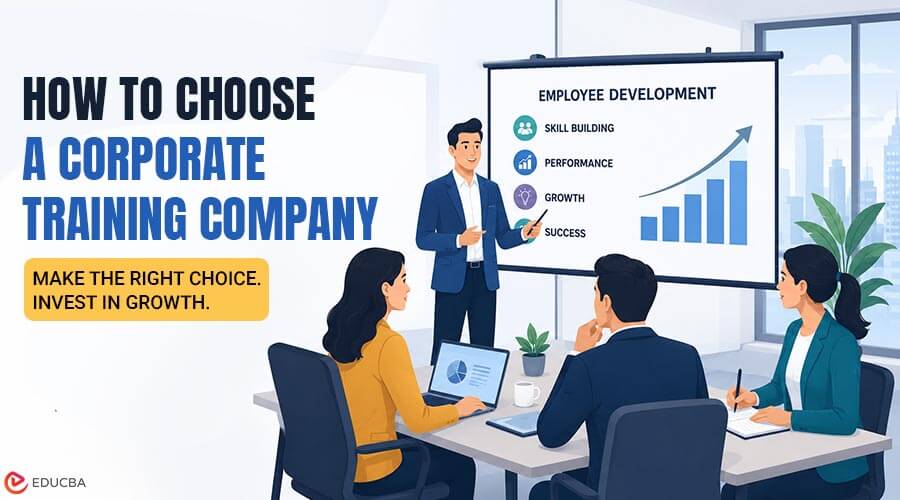
Choosing the right training provider can have a lasting impact on a company’s success. Employee development is no longer viewed as a nice-to-have initiative. It has become an important business investment that helps organizations stay competitive, adapt to market changes, and retain talent. Singapore businesses have access to many training providers, but not all deliver the same value. Some focus on generic classroom sessions, while others provide practical learning experiences that address real workplace challenges. The question is simple: How to choose a corporate training company that genuinely supports business growth and employee development?
Key Takeaways
- Assess whether the training provider offers programs that match business goals and workforce needs.
- Review trainer expertise, course relevance, and practical learning outcomes.
- Look for measurable results, customization options, and post-training support.
- Partnering with experienced corporate training companies can improve employee performance and long-term business growth.
1. Start with Business Goals, Not Course Catalogs
Many organizations make the mistake of selecting training based solely on popular topics. While trending subjects may seem appealing, effective training should address specific business objectives. For example, a company looking to strengthen its digital presence may benefit more from targeted digital marketing workshops than from broad leadership programs. The training should support measurable outcomes such as improved productivity, stronger sales performance, or enhanced customer engagement.
Experienced corporate training companies begin by understanding organizational needs before recommending programs. This consultative approach helps ensure that training investments generate meaningful returns. Companies such as OOm Institute focus on practical business skills, particularly in digital marketing and related disciplines, helping organizations build capabilities that can be applied immediately in the workplace.
2. Examine Trainer Credentials and Industry Experience
A polished presentation means little if the trainer lacks real-world expertise. Employees often learn best from professionals who have faced the same challenges they encounter daily. When evaluating a provider, consider questions such as whether the trainer has relevant industry experience, whether they are actively working in their field, whether they can provide practical examples, and whether they understand Singapore’s business environment.
Training should feel less like a lecture and more like a guided conversation. The strongest programs blend theory with hands-on application, allowing participants to connect concepts directly to their roles. Leading corporate training providers often use industry-experienced trainers to deliver practical and relevant learning experiences.
3. Look Beyond the Classroom Experience
Training effectiveness does not end when the session concludes. In fact, that is often when the real learning begins. A quality provider offers resources that help employees apply new skills after training. This may include workshop materials, practical exercises, coaching support, or follow-up consultations.
Think of training like learning to ride a bicycle. Reading instructions helps, but confidence develops through practice and reinforcement. The same principle applies to professional development. Businesses searching for the top corporate training company in Singapore should pay close attention to how providers support knowledge retention and workplace implementation. Programs that encourage active participation and real-world application tend to deliver stronger outcomes.
4. Measure Results and Long-Term Value
Training should contribute to business performance. While some benefits are difficult to quantify immediately, organizations should still establish clear measures of success. Useful indicators may include employee productivity improvements, increased lead generation or sales, better customer satisfaction scores, enhanced digital marketing performance, and stronger employee engagement. The top corporate training company in Singapore will typically discuss expected outcomes from the beginning and help organizations identify meaningful performance indicators.
Additionally, flexibility matters. Every business has unique requirements, and training programs should be adaptable rather than rigid. Customization often leads to better engagement and stronger results. As businesses continue to invest in workforce development, many are seeking corporate training companies that can provide tailored solutions rather than one-size-fits-all programs. This shift reflects a growing emphasis on practical value and measurable impact.
Final Thoughts
Selecting a training provider requires more than comparing prices or reviewing course lists. Businesses should evaluate how well a provider understands organizational goals, the expertise of its trainers, the quality of its learning experience, and its ability to deliver measurable outcomes. Knowing how to choose a corporate training company helps organizations make better decisions and select a partner that supports employee growth and business success. The top corporate training company in Singapore is not necessarily the one with the largest catalog. Rather, it is the provider that equips employees with practical skills, supports long-term growth, and helps organizations achieve meaningful business results.
Recommended Articles
We hope this comprehensive guide on how to choose a corporate training company helps you make informed decisions when selecting the right training partner for your organization. Check out these recommended articles for more insights and strategies to improve employee development and business growth.

