


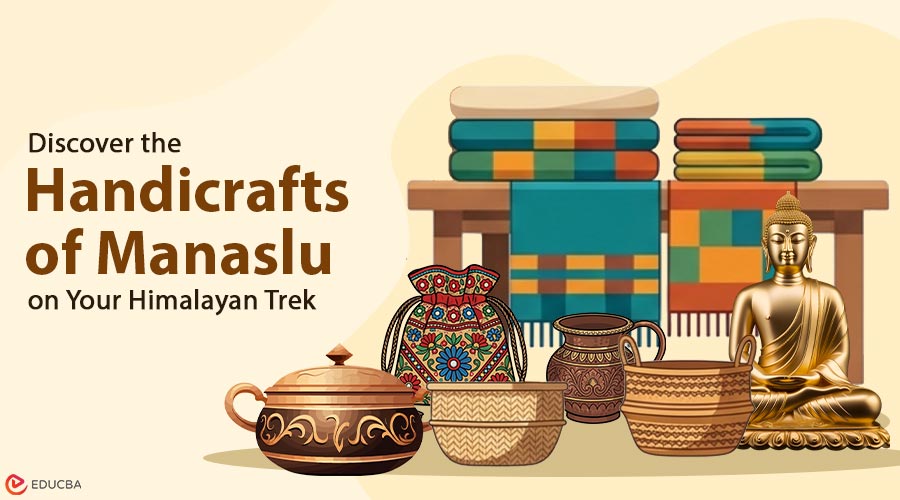
The Manaslu region in Nepal is famous for its Himalayan mountains, traditional settlements, and unique culture. Local handicrafts and handmade goods also reflect the skills and lifestyle of Manaslu’s residents. Inspired by Tibetan Buddhism and tradition, locals produce decorative pieces, textiles, knitted products, and statues of religious deities. The handicrafts of Manaslu represent the cultural identity and traditional knowledge passed down through generations.
Nevertheless, each village has its own qualities and traditions passed down through generations. Therefore, trekkers on the Manaslu Circuit Trek can view local crafts and support the local economy. It also offers an opportunity to learn about the region’s traditional culture. Also, ask the seller about the products’ origin, since not all goods are local and handmade, even though many shops claim they are.
Traditional Handicrafts Found in the Manaslu Region
Deeply immersed in the cultural heritage of Tibetan Buddhism, the Manaslu region offers trekkers distinct locally made products. Most souvenirs are made from raw wool in various weaves and include religious items, depending on the village’s culture. However, one can also find prayer flags, religious icons, and other specialties.
1. Handmade Woolen Clothing and Textiles
Woolen clothing and textiles are popular in the cold areas of the Manaslu region, especially in villages such as Samagaon and Samdo. Local shops also sell handmade woolen accessories, including hats, socks, scarves, and gloves. They also create beautiful clothes and other textiles from wool fiber.
However, not all goods on display are made in the region, so it is crucial to ask whether the weaver is from Manaslu or another region and whether the fabric was locally produced or imported.
2. Prayer Flags, Prayer Beads, and Buddhist-Inspired Items
Prayer flags, prayer beads, and other Buddhist souvenirs are an important part of the Manaslu region’s local culture. Buddhist symbols appear everywhere, from monasteries and chortens to mani walls and colorful flags fluttering over villages and mountains. Prayer flags are the most common traditional items found in villages, believed to carry a deep message of universal compassion and peace.
Mala, or prayer beads, are another popular souvenir that one can find in local shops. Holy Buddhist symbols, such as tiny prayer wheels and elements of prayer flags, are also found in the region. Not all prayer flags and prayer beads found locally are handmade.
3. Wooden Crafts and Household Items
In the Manaslu region, wooden items serve everyday purposes. Woodwork includes household utensils, storage items, and other culinary items. These items often serve functional purposes rather than for decoration. Locals may or may not handcraft these products. Trekkers can ask sellers about the product’s origin, materials, and techniques used. This way, they can appreciate the hard work and intricate skills behind the wooden items.
The Cultural Significance of Handicrafts in Manaslu
Handicrafts in the region reflect religious and traditional values as well as local identity. In the higher altitudes of the Budhi Gandaki Valley, Tibetan Buddhist monasteries rely on local resources such as prayer flags and beads.
Moreover, local products carry cultural significance and pass knowledge from generation to generation. It is important to understand what these items mean to locals and behave respectfully. It is also a good idea to take home souvenirs to support local artisans and their unique crafts.
How Handicrafts of Manaslu Support Local Communities?
Handicrafts can provide locals with additional income alongside farming, animal husbandry, and tourism-related work. Moreover, developing trekking tourism in the region will help preserve traditions and ancestral skills. This is because local products will be in demand, encouraging the younger generation to learn new skills or continue what their ancestors did.
In addition, whenever possible, buying directly from local craftsmen helps promote traditional skills and sustain livelihoods. Finally, appreciating these products from a local perspective means understanding the people, beliefs, and energy that go into making them.
Best Handmade Souvenirs to Look for on the Manaslu Circuit Trek
The Manaslu Circuit Trek offers plenty of souvenir shops that reflect the Himalayan lifestyle and local customs. Trekkers can find jewelry and trinkets, along with warm woolen accessories like socks, hats, scarves, and gloves.
Depending on the village and shop, trekkers may find small accessories, decorative items, and religious souvenirs. Local shops also sell small embroidered handbags, pouches, and beaded bracelets. Religious statues, symbols, and Buddhist-inspired items may also be available; purchase and handle them respectfully.
Preserving Manaslu’s Traditional Craftsmanship for Future Generations
Preserving the region’s traditional crafts is important to ensure the culture is passed down and continues to develop. Recording and compiling traditional techniques is necessary to preserve and promote them.
Moreover, responsible tourism focuses on maintaining relationships between tourists and villagers through cultural exchange by encouraging trekkers to learn about local crafts and buy them directly from craftsmen.
Take Home More Than Mountain Memories
The traditional handicrafts of Manaslu allow trekkers to experience the region’s rich cultural heritage beyond its breathtaking Himalayan scenery. Beyond the magnificent mountain views, they also let trekkers learn about local beliefs, knowledge, and practices.
Therefore, when buying, it is essential to choose items from the Himalayan region and respect local cultural values. As they leave, trekkers will take back not just pictures and souvenirs, but a lifetime of memories and knowledge about the culture and ethics of the people who live there.
Recommended Articles
We hope this comprehensive guide to the handicrafts of Manaslu helps you explore the region’s traditional craftsmanship and rich cultural heritage. Explore these recommended articles for more insights into local traditions and unique experiences.

