

Updated February 16, 2023
What is the Full Form of VFX?
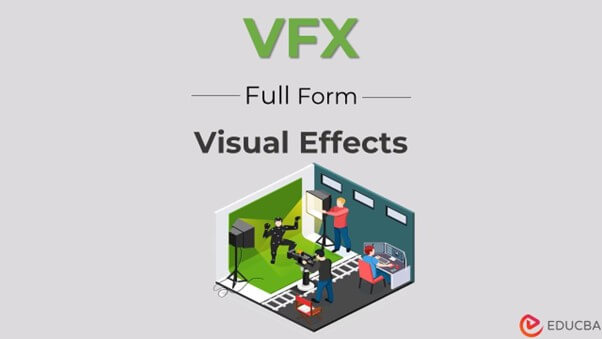
The full form of VFX is Visual effects, which refers to the techniques used to create illusions in movies and TV shows that cannot be captured during live-action filming. From space battles to fire-breathing dragons, VFX is responsible for bringing some of the most unbelievable and thrilling scenes in your favorite films and TV shows to life.
VFX can bring our wildest dreams and nightmares to life on big and small screens. They allow filmmakers to push the boundaries of what is possible and create worlds and characters beyond our imagination. Whether you are a fan of sci-fi, fantasy, or action movies, you must have experienced the magic of VFX. But how did this VFX come into being, and why is it important? Let us find out!
The Evolution of VFX
The Evolution of Visual Effects (VFX) is a fascinating story of creativity, innovation, and technological advancements. In the early days of film and television, VFX create using miniature sets, pyrotechnics, and hand-drawn animations. These techniques were often time-consuming, costly, and limited in scope, but they were the only tools filmmakers had at their disposal.
As technology advanced, filmmakers began to explore the potential of computer-generated imagery (CGI) to create more complex and realistic VFX. The first use of CGI in a film was in 1976’s “Westworld,” but it wasn’t until 1982’s “Tron” that the full potential of CGI realizes. VFX artists continued refining and improving their techniques, incorporating motion capture and other advanced technologies to create incredibly realistic digital characters that move and act like real people.
Today, filmmakers use a combination of CGI, motion capture, and special effects to create some of the most mind-blowing and thrilling scenes in film and television. VFX has come a long way from the simple animations and trick photography of the past.
Importance of VFX in Film and TV
The Importance of Visual Effects in Film and TV is undeniable.
One of the key benefits of VFX is the ability to create visual elements that would be impossible or impractical to capture in live-action filming. For example, filmmakers can use CGI to create entire digital worlds with intricate landscapes and detailed environments. They can also use motion capture to bring digital characters to life, allowing them to move and act like real people. These advanced techniques enable filmmakers to create genuinely awe-inspiring and immersive visual experiences that captivate audiences and draw them into the story.
VFX also plays a crucial role in enhancing the realism of action scenes and adding depth to characters and environments. For example, filmmakers can use VFX to create realistic explosions, gunfire, and other special effects that would be dangerous or impossible to capture in live-action filming. They can also use VFX to add subtle touches, such as wind and dust, that bring a scene to life and make it feel more natural.
Another critical aspect of VFX is its role in storytelling. VFX can create powerful emotional moments and drive the story forward in ways that would be impossible without this technology. For example, VFX can add moments of suspense, horror, or drama to the film’s or TV show’s overall impact.
Art of VFX: The Process
The VFX process is a collaboration between artists, technicians, and filmmakers. It involves various steps, including pre-production, production, and post-production. In pre-production, VFX teams work with filmmakers to plan the VFX shots and design the visual elements. During production, VFX elements capture using a combination of live-action footage and computer-generated imagery. While in post-production, the VFX shots finalize and integrated into the film or show using advanced editing software.
Different Types of VFX
VFX can divide into several categories, including
#1 Computer-Generated Imagery (CGI)
CGI uses computer software to create animated or still content. It is also referred to as 3D imaging. CGI is commonly used to create characters, scenes, and other effects in films, television shows, and video games.
#2 Motion Capture
Motion capture is a technique used to capture the movements of real actors and translate them into digital characters. This allows filmmakers to create incredibly realistic digital characters that move and act like real people.
#3 Special Effects
Special effects refer to the physical techniques used to create illusions in film and TV. This can include anything from pyrotechnics and practical explosions to mechanical creatures and miniature sets.
#4 Matte Painting
It creates the illusion of a set that is not there, such as a landscape or a distant location. This technique originates from hand-painted designs in which artists used matte paint. Matte paint is commonly used for this purpose as it does not reflect light. Over the years, matte paintings have evolved to include 3D renders, green-screen footage, photos, and stock video.
Conclusion
With the rapid advancement of technology, the future of VFX looks incredibly promising. VFX artists continually find new ways to push the boundaries to achieve the impossible. The techniques and tools they use are becoming increasingly sophisticated and accessible. You can expect to see even more mind-blowing and awe-inspiring VFX in the coming years as filmmakers continue to use this powerful tool to tell their stories in new and exciting ways.
Recommended Articles
We hope that this EDUCBA information on “Full Form of VFX” was beneficial to you. You can view EDUCBA’s recommended articles for more information,

