


What is Frugal Living?
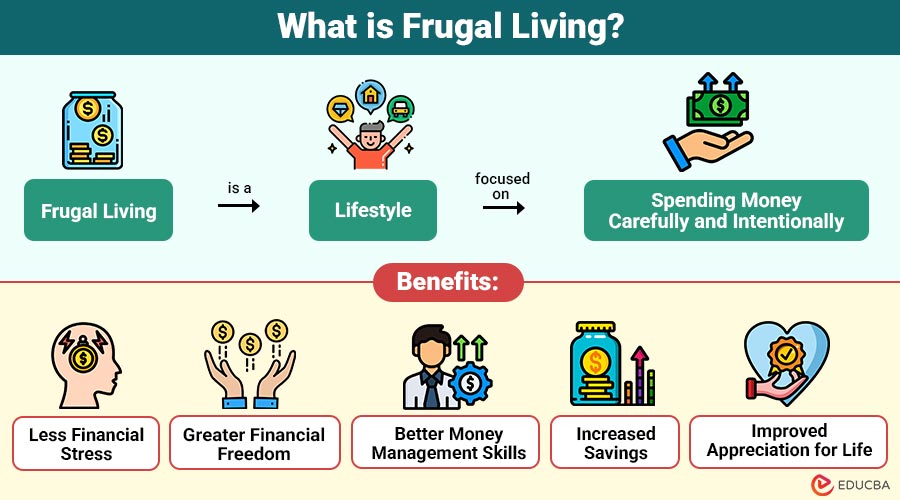
Frugal living is a lifestyle focused on spending money carefully and intentionally. It involves prioritizing needs over unnecessary wants, reducing waste, and maximizing value of every dollar spent.
A frugal person aims to:
- Spend wisely rather than impulsively
- Avoid unnecessary debt
- Save money consistently
- Use resources efficiently
- Focus on long-term financial stability
Frugal living does not mean avoiding all pleasures or living poorly. Instead, it encourages smart financial habits that create sustainability and peace of mind.
Table of Contents:
- Meaning
- Importance
- Key Principles
- Benefits
- Practical Tips
- Common Misconceptions
- Challenges
- How to Start Living Frugally?
- Real-Life Examples
Key Takeaways:
- Frugal living encourages intentional spending habits that improve long-term financial stability and reduce unnecessary expenses.
- Budgeting, mindful purchasing, and consistent saving habits help individuals achieve important future financial goals successfully.
- Frugal lifestyles reduce debt, financial stress, and waste while promoting sustainable and resource-efficient daily living practices.
- Small, disciplined financial decisions gradually create greater freedom, security, and personal satisfaction over the long term in lifestyle management.
Importance of Frugal Living
Here are some key reasons why frugal living is important for achieving financial stability, mindful spending, and long-term sustainability.
1. Improves Financial Security
Frugal living increases savings, builds emergency funds, and provides greater financial stability during uncertain economic situations.
2. Reduces Debt
Careful budgeting and controlled spending help avoid unnecessary borrowing, reducing loans, credit card balances, and liabilities.
3. Encourages Mindful Spending
Frugal habits promote thoughtful purchasing decisions, helping individuals prioritize needs over wants and avoid impulsive expenses.
4. Supports Long-Term Goals
Saving money consistently through frugal living helps achieve future goals like education, retirement, travel, and homeownership.
5. Promotes Sustainable Living
Reducing waste, reusing products, and consuming fewer resources support environmental conservation and encourage sustainable lifestyle practices.
Key Principles of Frugal Living
Successful frugal living is built on several key principles.
1. Differentiate Needs from Wants
Understanding the difference between essential needs and optional desires helps control spending habits and reduce unnecessary expenses.
2. Spend with Purpose
Every purchase should consistently deliver meaningful value, support financial priorities, and contribute to long-term personal goals.
3. Avoid Lifestyle Inflation
Increasing income should not automatically increase expenses, helping maintain financial discipline and stronger long-term savings habits.
4. Practice Resourcefulness
Repairing, reusing, and creatively repurposing items minimizes waste while significantly lowering everyday household and personal expenses.
5. Save Before Spending
Setting aside savings before discretionary spending builds financial security and encourages disciplined money management habits over time.
Benefits of Frugal Living
Adopting a frugal lifestyle offers both financial and personal benefits.
1. Less Financial Stress
Having emergency savings and lower debt levels provides peace of mind during unexpected financial challenges and expenses.
2. Greater Financial Freedom
Creates flexibility to pursue passions, change careers, travel, or retire earlier with greater financial confidence.
3. Better Money Management Skills
Practicing frugal habits strengthens budgeting, financial planning, spending control, and overall money management abilities effectively over time.
4. Increased Savings
Reducing unnecessary spending allows individuals to save, invest, and build stronger long-term financial security more consistently.
5. Improved Appreciation for Life
Encourages valuing meaningful experiences, relationships, and personal growth instead of excessive material possessions and consumption.
Practical Frugal Living Tips
Here are some practical frugal living tips that can help reduce expenses, improve savings, and support smarter financial habits.
1. Create a Budget
Tracking income and expenses through budgeting helps identify unnecessary spending and improve overall financial management effectively.
2. Reduce Utility Bills
Practicing energy-saving habits lowers electricity, water, and utility costs while supporting environmentally responsible daily living practices.
3. Avoid Impulse Buying
Planning purchases carefully prevents unnecessary spending, helping individuals save money and make smarter financial decisions consistently over time.
4. Buy Quality Over Quantity
Investing in durable, high-quality products reduces replacement costs and saves money over the long term through everyday use and maintenance.
5. Use Public Transportation
Using public transit, cycling, or carpooling lowers fuel, parking, and vehicle maintenance expenses significantly every month.
6. Cancel Unused Subscriptions
Reviewing memberships and subscriptions regularly helps eliminate unnecessary recurring charges and significantly improve overall monthly savings.
7. Practice DIY (Do It Yourself)
Learning practical skills reduces service expenses while increasing self-sufficiency, creativity, and confidence in handling daily household tasks.
Common Misconceptions About Frugal Living
Here are some common misconceptions about frugal living and the reality behind these widely misunderstood financial habits.
Myth 1: Frugal Living Means Being Cheap
Being frugal means spending wisely, while being cheap often means sacrificing quality or fairness.
Myth 2: Frugal People Never Have Fun
Encourages affordable enjoyment, such as free events, outdoor activities, and meaningful experiences.
Myth 3: Frugal Living is Only for Low-Income Individuals
People at all income levels practice frugality to build wealth and financial independence.
Myth 4: Frugal Living Requires Extreme Sacrifice
Most frugal habits involve smarter decisions rather than painful sacrifices.
Challenges of Frugal Living
Here are some common challenges people may face while practicing frugal living and maintaining consistent financial discipline.
1. Social Pressure
Social expectations, peer influence, and online trends often encourage unnecessary spending and expensive lifestyle choices regularly.
2. Requires Discipline
Maintaining frugal habits consistently requires strong self-control, careful planning, and commitment toward long-term financial stability.
3. Time Commitment
Budgeting, cooking meals, and performing DIY activities often demand additional effort, planning, and valuable personal time.
4. Emotional Spending
Stress, boredom, or emotional situations can trigger impulsive purchases, making it more challenging to maintain financial discipline consistently.
5. Limited Immediate Gratification
Often requires delaying purchases and making sacrifices, reducing the instant satisfaction from shopping or entertainment.
6. Difficulty Balancing Quality and Cost
Finding affordable yet high-quality products can be challenging, requiring regular research, comparison, and careful purchasing decisions.
How to Start Living Frugally?
Here are some simple steps that can help you begin practicing frugal living and develop healthier financial habits gradually.
Step 1: Analyze Current Spending
Review expenses carefully to identify unnecessary spending habits and opportunities to improve financial management practices.
Step 2: Set Financial Goals
Define clear financial objectives, such as saving money, reducing debt, or building emergency funds for future stability.
Step 3: Start Small
Begin with simple, frugal habits gradually, making lifestyle changes easier and more sustainable over the long term.
Step 4: Build Better Habits
Consistently practicing small financial improvements strengthens discipline and creates lasting positive money-management habits.
Step 5: Celebrate Progress
Recognizing financial achievements increases motivation, builds confidence, and encourages continued commitment toward frugal living goals
Real-Life Examples of Frugal Living
Here are some real-life examples showing how different individuals practice frugal living to save money and improve financial stability.
1. A Student
A college student may save money by using public transportation, buying used textbooks, and cooking meals at home.
2. A Family
A family may reduce costs through meal planning, energy conservation, and limiting entertainment expenses.
3. A Professional
A working professional may choose affordable housing, automate savings, and avoid luxury purchases.
Final Thoughts
Frugal living focuses on intentional spending, financial discipline, and prioritizing meaningful needs over unnecessary expenses. Simple habits like budgeting, cooking at home, and avoiding impulse purchases improve savings, reduce stress, and support long-term goals. Regardless of income level, adopting frugal practices helps achieve financial stability, sustainable living, and greater personal satisfaction over time.
Frequently Asked Questions (FAQs)
Q1. Is frugal living the same as being cheap?
Answer: No. Frugal living involves smart spending decisions, while being cheap may involve sacrificing quality or fairness.
Q2. Can frugal living improve mental well-being?
Answer: Yes. Reduced financial stress and better money management often improve peace of mind and emotional well-being.
Q3. How long does it take to see results from frugal living?
Answer: Results vary, but consistent frugal habits often improve savings, reduce debt, and increase financial stability over time.
Recommended Articles
We hope that this EDUCBA information on “Frugal Living” was beneficial to you. You can view EDUCBA’s recommended articles for more information.


