
What is Experiential Marketing?
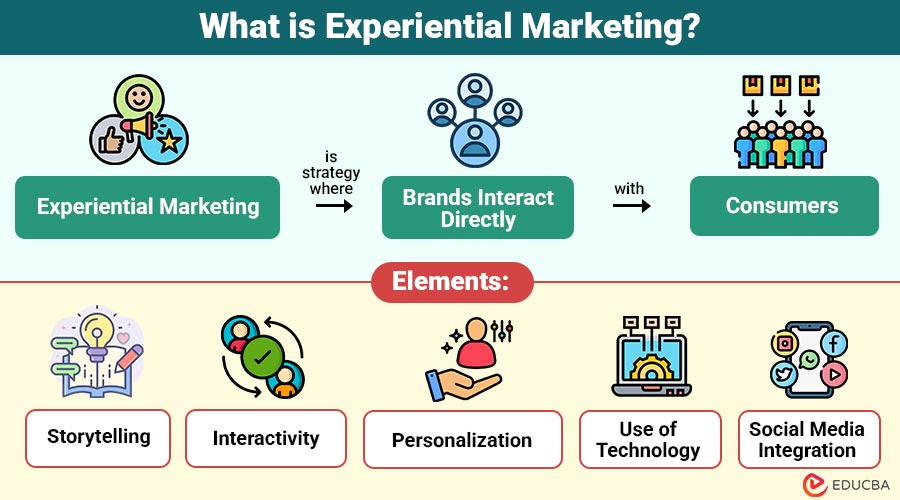
Experiential marketing, also known engagement marketing or live marketing, is a strategy where brands interact directly with consumers. It creates real-life or virtual experiences that let customers feel, touch, try, or participate in a brand’s story.
The main idea is to move beyond passive advertising and allow people to be active participants.
For example:
- A coffee brand offering free coffee samples at an event.
- A fashion company is setting up a pop-up store where customers can try out clothing in a fun, themed environment.
- A tech company is creating VR demos to showcase how its new gadget works.
By engaging the senses and emotions, these experiences become memorable, and customers form stronger bonds with the brand.
Table of Contents:
- Meaning
- Importance
- Elements
- Benefits
- Challenges
- Steps to Build a Successful Experiential Campaign
- Examples
- Future
Key Takeaways:
- Experiential marketing changes passive audiences into active participants, creating lasting emotional connections with brands.
- Interactive campaigns generate organic buzz through social media sharing, significantly extending visibility and brand awareness online.
- Successful experiential marketing requires storytelling, personalization, and innovative technology to deliver memorable customer-centered brand experiences.
- Measuring impact remains challenging, yet experiential campaigns provide valuable insights into customer preferences and behaviors.
Why is Experiential Marketing Important?
Experiential marketing is important because it goes beyond traditional promotion. Here are some reasons why it matters:
1. Builds Emotional Connections
Customers naturally connect with brands that trigger emotions like excitement, joy, or inspiration, making experiences more powerful than traditional advertisements.
2. Increases Engagement
Instead of being passive audiences, customers actively participate, interact, and immerse themselves, creating stronger involvement with the brand’s story and message.
3. Encourages Word-of-Mouth
People love sharing unique and memorable experiences with friends, family, and on social media, creating organic buzz and extending brand visibility effectively.
4. Improves Brand Loyalty
A meaningful and positive experience builds trust and long-term loyalty, encouraging customers to return repeatedly and consistently choose the same brand.
5. Boosts Sales
When customers engage and try products in enjoyable, interactive environments, they are more likely to make confident purchases and recommend them.
Elements of Experiential Marketing
For an experiential campaign to be successful, certain elements should be included:
1. Storytelling
A campaign should narrate a compelling story that emotionally connects with audiences, creating meaningful memories rather than simple promotional messages.
2. Interactivity
Customers should actively participate in experiences through games, challenges, or activities, transforming passive viewing into engaging, memorable brand interactions.
3. Personalization
Customizing experiences to individual preferences makes customers feel valued, building stronger relationships and encouraging emotional loyalty toward the brand’s products or services.
4. Use of Technology
Tools like VR, AR, or interactive displays enhance engagement, making experiences innovative, exciting, and memorable for modern tech-savvy audiences.
5. Social Media Integration
Encouraging selfies, posts, and hashtags extends the campaign online, amplifying reach and visibility through authentic user-generated content.
Benefits of Experiential Marketing
Here are the benefits businesses can gain by implementing experiential marketing strategies effectively:
1. Strong Brand Recall
People remember experiences more than ads, as fun, immersive events leave lasting impressions far beyond traditional commercials.
2. Positive Word-of-Mouth
Customers who enjoy unique experiences often share them with friends and online, giving brands powerful, free organic promotion.
3. Increased Customer Loyalty
Emotional connections created through meaningful experiences reduce the chances of customers switching to competing brands, ensuring long-term loyalty.
4. Valuable Insights
Observing customer interactions during live events provides brands with real-time feedback, helping refine strategies, improve products, and enhance customer satisfaction.
5. Higher Sales Conversions
Hands-on opportunities to test, feel, or try products directly influence decisions, leading to faster purchases and higher conversions.
Challenges of Experiential Marketing
While it is highly effective, experiential marketing also comes with challenges:
1. Cost
Live experiential campaigns often demand significant budgets for venues, staff, technology, and materials, making them expensive for smaller businesses.
2. Scalability
Unlike digital ads that easily reach millions, physical experiences struggle to scale effectively, limiting audience size and geographical coverage.
3. Logistics
Successful events require careful planning, permits, vendor coordination, staffing, and risk management, making execution complex and time-consuming for brands.
4. Measuring ROI
Tracking direct financial returns is challenging, as benefits such as awareness, loyalty, and word-of-mouth are not easily quantifiable.
Steps to Build a Successful Experiential Campaign
Here is a step-by-step guide for businesses that want to use experiential marketing:
Step 1: Understand Your Audience
Learn about your target market’s demographics and preferred experiences.
Step 2: Set Clear Goals
Decide whether your goal is to increase awareness, drive sales, or boost engagement.
Step 3: Design the Experience
Plan a creative, interactive, and memorable activity that reflects your brand values.
Step 4: Incorporate Technology
Use tools like AR, VR, or interactive apps to make the experience modern and exciting.
Step 5: Promote on Social Media
Urge participants to use images, videos, or hashtags to communicate their experiences.
Step 6: Measure Results
Track attendance, social media mentions, sales data, and customer feedback to evaluate success.
Examples of Experiential Marketing
Here are some creative campaigns that showcase how brands engage their audiences through memorable and interactive experiences.
1. Coca-Cola’s Happiness Machine
Coca-Cola placed vending machines in public areas that not only gave drinks but also surprised people with pizzas, flowers, and other gifts. This created joy and encouraged people to share the experience online.
2. IKEA’s Sleepover Event
IKEA organized a sleepover event in their stores where customers could try out beds, get massages, and watch movies. This gave people a fun way to connect with the brand’s products.
3. Red Bull Stratos Jump
Red Bull sponsored a skydiver who jumped from the edge of space. Millions watched it live, and it reinforced Red Bull’s image as an adventurous and daring brand.
4. Spotify Wrapped
Spotify’s annual personalized “Wrapped” campaign allows users to see their top songs and artists of the year. Although digital, it is experiential because it involves personalization and sharing.
Future of Experiential Marketing
The future of experiential marketing looks bright as technology and customer expectations evolve. Some upcoming trends include:
1. Virtual Reality and Augmented Reality
VR and AR will become mainstream, offering immersive and interactive experiences that deeply engage modern, digital-savvy consumers worldwide.
2. Hybrid Events
Combining physical events with digital participation expands reach, enabling global audiences to engage, interact, and experience brands without physical limitations.
3. Sustainability-Focused Campaigns
Eco-friendly initiatives will dominate, appealing to environmentally conscious consumers who value brands demonstrating responsibility, transparency, and long-term sustainability commitments.
4. Personalization Through AI
Artificial intelligence will power unique, tailored experiences using data insights, making interactions more relevant, personalized, and memorable for every customer.
Final Thoughts
Experiential marketing surpasses traditional strategies by creating lasting memories through meaningful, interactive, and emotionally charged customer experiences. Whether via live events, digital activations, or creative pop-ups, it makes customers feel valued and connected. Brands that excel in experiential marketing boost sales, foster loyalty, and encourage advocacy, proving that experiences, not ads, define the future of customer relationships.
Frequently Asked Questions (FAQs)
Q1. Is experiential marketing only for big brands?
Answer: No. Even small businesses can use it by hosting workshops, local events, or interactive online campaigns.
Q2. What industries can benefit from experiential marketing?
Answer: Almost every industry, from retail and food to technology, entertainment, and healthcare, can use experiential marketing to engage customers and build loyalty.
Q3. How can social media enhance experiential marketing?
Answer: Social media amplifies campaigns by encouraging participants to share experiences through photos, videos, and hashtags, extending the reach far beyond the live event.
Recommended Articles
We hope that this EDUCBA information on “Experiential Marketing” was beneficial to you. You can view EDUCBA’s recommended articles for more information.

