


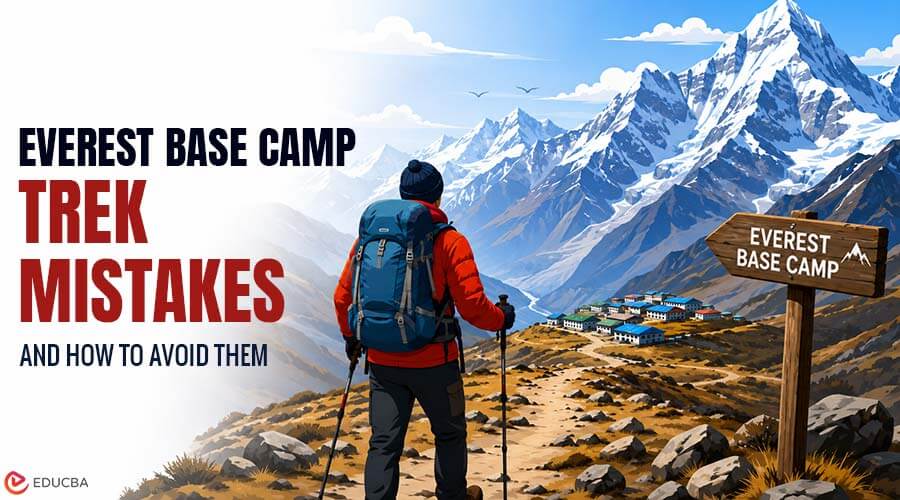
Every year, thousands of hikers take on the legendary Everest Base Camp route to immerse themselves in the majestic Himalayan terrain. However, not everyone who attempts the Everest Base Camp trek makes it. Some adventurers do not reach their goal because of physical limits, altitude sickness, exhaustion, or poor planning. Lack of experience is the main reason trekkers fail to reach Everest Base Camp. Understanding common Everest Base Camp trek mistakes can help future adventurers prepare more effectively and improve their chances of completing the journey.
Common Everest Base Camp Trek Mistakes and How to Avoid Them
The following are the most common Everest Base Camp trek mistakes and practical ways to avoid them.
1. Not Carrying Out Proper Physical Preparation Before the Trek
Many trekkers fail because of physical deficits, which we will cover in detail on the Everest Base Camp Trek. This is not a technical climbing trek, but it involves long walking days on steep inclines and rocky tracks. Many travelers do not anticipate the physical demands and try without training.
While strength training helps performance during the trek, hiking, walking, and cardio exercises before your trip will build stamina. So if your body is fit for long-distance, rugged-terrain trekking, it can handle the challenges that come up on a trek.
2. Not Acclimatizing Well to Altitude Sickness
Altitude sickness is a major challenge on the Everest Base Camp trek and can cause some trekkers to turn back. But the higher the trail rises, which climbs to more than 3,000 meters above sea level, the more it can change your body in a variety of ways as there is less oxygen. Do not neglect any signs such as headaches, nausea, dizziness, and extreme weakness.
Most trekkers, however, fail because they try to rush. The best way to prevent altitude sickness is to stay hydrated, plan for a gradual itinerary with rest days, and listen to your body.
3. Walking Too Fast
One of the most common mistakes trekkers make on the Everest Base Camp hike is treating it like a race instead of an endurance journey. Walking too fast compounds fatigue and makes altitude adjustment even harder. The Himalayan surroundings take time to adjust to, and the body needs patience as it adapts.
Untrained guides recommend a slow climb and breaks on the way up. Trekkers maintain a steady walking rhythm to help reduce energy expenditure while enjoying the stunning scenery. A trek to Everest Base Camp is less about speed and more about staying steady.
4. Poorly-Planned and Implausible Trekking Plans
The second biggest reason for paired wines was selecting an itinerary that is not realistic. Some make the Everest Base Camp Trek only for as short a time as they can, the design of which is faster than others to expend dollars or perhaps even moments, but you are riding for drama, fatigue, and altitude sickness.
A proper itinerary for the Everest Base Camp Trek should allow enough acclimatization and gradually increase altitude. That is why, without incorporating those important rest days in places like Namche Bazaar or Dingboche, the trek can quickly become much harder. This planning step involves planning the trek to your experience level, time, and physical condition.
5. Underestimating Weather Conditions in the Everest Region
The Himalayas have very changeable weather, & planning travel plans will be adjusted based on these conditions. Some snow is also forecast for the period, which can lead to challenging trail conditions or transportation delays due to heavy rainfall, strong gusts of wind, and low visibility.
Local authorities reported that an unexpected hurricane caught trekkers unprepared, forcing many to abandon their Everest Base Camp trek. Choosing the right hiking season, bringing enough gear, and keeping a flexible itinerary will reduce weather-related problems. Trekkers can make better and wiser judgments by being aware that the mountain could never be outsmarted.
6. Inadequate Trekking Gear and Equipment
Bring all the equipment you need for comfort during the Everest Base Camp Trek. Some trekkers make their lives harder when they arrive with the wrong clothing or shoes, or without proper cold protection.
- Unwearable gear can cause aches, pains, injuries, or even soreness.
- Essentials include warm clothing, rain jackets, high-quality trekking boots, gloves, and sleeping bags.
- The right equipment helps trekkers keep pace with changing mountain conditions.
- Many, but not all, avoidable problems en route can be anticipated with a rigorously maintained packing list and thorough gear checks before you go.
7. Not Eating and Drinking Enough
Some travelers fail to realize that while trekking in high-altitude backgrounds, keeping energy levels up is essential, but so are the basics of good nutrition and hydration. High summit days require plenty of fuel, and the energy needed to keep you going increases with altitude. For many reasons, dehydration can worsen altitude sickness and contribute to low energy.
Many people lie down in fear but do not drink water or eat hot food during the trek. Eating enough healthy meals, staying hydrated, and having high-energy snacks will give you the power and strength you need to enjoy the trek and overcome the Everest Base Camp trek.
8. Underestimating the Mental Challenge
The Everest Base Camp Trek is a workout, but you need to be strong between your ears too. Multiple long walking days, cold mornings, basic sleeping arrangements, and trying climbs can diminish even the most experienced walker’s enthusiasm.
Some travelers turn around because they do not realize beforehand that being in an isolated mountain area for days on end can be mentally challenging. What matters most is having realistic expectations and the right mindset. Trekkers are not only spurred to their ultimate destination but also spurred by mini victories along their way.
9. Poor Support and Guidance Related to Trekking
A good blend of guidance is key to a successful Everest Base Camp trek. Too often, trekkers end up in a mess because of inexperienced guides or companies and a lack of logistical support. Guides have training in altitude and weather risk assessment and emergency protocols. They can set the pace, watch for health concerns, and provide invaluable local knowledge.
These partnered hiking adventures help vacationers plan and stay organized, so they can enjoy the journey even more. And by the very nature of being in the mountains for many looking for their first time, it is not simply a walk around an easy circular square on your housing estate but traversing some serious Himalayan beauty.
10. Ignoring Warnings From Your Body
This is the most common mistake we make on the Everest Base Camp hike. Some treks require you to keep going even when you are symptomatic, even if the signs are severe, because they want you to keep moving. However, exceeding safety limits can increase health risks.
As a trekker, maturity means knowing when to slow down, take a breather, or see a doctor. The mountains have always been there; the mountains will continue to be there, but our safety must come first. As you know, getting to Everest Base Camp is not all about grit and determination; you need a few lucky breaks along the way too.
How to Enhance Your Odds of Reaching Everest Base Camp?
Use full specification so climbing scales quality assholeness and has no tolerance for dumb, pointless blunders negatives need to exemplify Everest Base Camp. Train for the trek, choose a suitable itinerary, use good gear, and allow enough time to acclimatize success boils down to these factors.
Staying hydrated and moving slowly, along with following your guide’s advice, are crucial to an enjoyable trekking experience. A flexible mindset also helps because mountain weather and conditions can change quickly. That said, it can transform from an annoying, complicated maze into a roller coaster of adventure.
Final Thoughts
There are several reasons not everyone makes it to Everest Base Camp, but many common Everest Base Camp trek mistakes can be avoided with good decisions, preparation, and awareness. Physical fitness, altitude sickness and precautions to avoid it, the gear needed for trekking, a well-planned itinerary, and mental readiness are some prerequisites for completing a trek.
Traveling to Everest Base Camp is not just a destination; it is about respecting and enjoying those mountains safely. Himalayan treks can create some of the most memorable experiences trekkers have, and with strategy and determination, thousands of other hikers have followed through on similar impossible challenges.
Recommended Articles
We hope this guide to Everest Base Camp trek mistakes helps you prepare more confidently for your Himalayan adventure. Check out these recommended articles for more trekking tips, preparation advice, and insights to make your journey safer and more enjoyable.

