


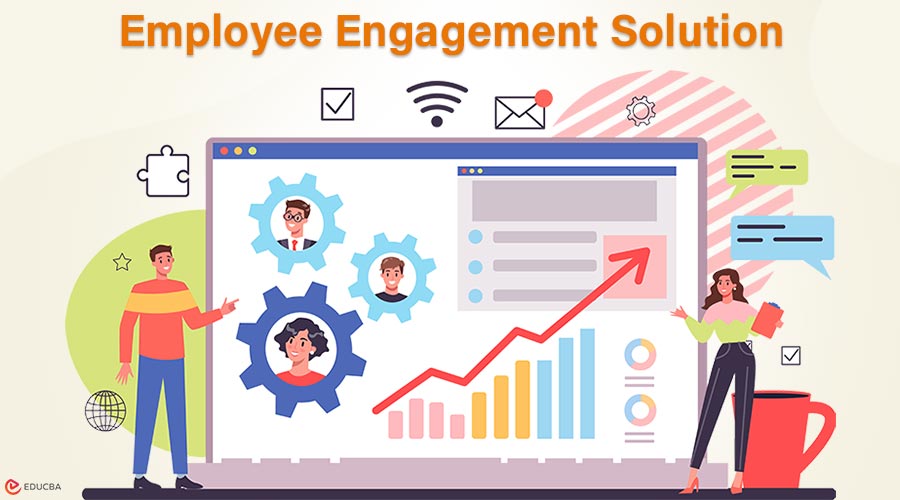
Employee Engagement Solution: Overview
Work changes fast. Employees work across offices, homes, job sites, and time zones. Managers face pressure to keep people motivated, connected, and focused while work itself grows more complex. In that kind of environment, culture cannot depend on occasional check-ins or a yearly survey. It needs regular attention, clear signals, and better tools.
That is where employee engagement software comes into play. Used well, it gives leaders a clearer view of how people feel, what blocks performance, and where trust starts to slip. It can help companies spot problems early, improve communication, recognize strong work, and create a better daily experience for employees without turning the workplace into a constant measurement exercise.
Why an Employee Engagement Solution Has Become a Business Priority?
Many companies once treated engagement as a soft topic. It often sat next to morale, team spirit, or office culture, as if it belonged outside real business planning. That view no longer holds up. Low engagement shows up in missed deadlines, weak collaboration, avoidable turnover, poor manager performance, and lower service quality. When people feel ignored, confused, or disconnected, the effect spreads quickly across teams.
Leaders now need stronger ways to track the employee experience in real time. Annual surveys alone rarely help. They arrive too late, ask too much at once, and often produce vague action plans that fade after a few weeks. Companies need a steady rhythm of listening and response. They need to know which teams feel supported, which managers create friction, and where people stop seeing a future for themselves inside the business.
Engagement matters because daily effort matters. A company can have a smart strategy, strong products, and healthy demand, but still struggle because employees feel detached from the work or from each other. People do better work when expectations are clear, feedback is useful, and recognition feels real. That does not happen by accident. It needs structure, which a robust employee engagement solution provides.
What Does an Employee Engagement Solution Actually Do?
Many buyers hear the phrase and picture a survey platform with a nicer dashboard. Good employee engagement solutions go much further. They usually combine pulse surveys, feedback tools, recognition systems, manager check-in workflows, goal tracking, communication features, and reporting that helps leaders see patterns across the business. Some also include onboarding support, sentiment tracking, and tools for action planning after feedback comes in.
The real value comes from putting these functions in one place. Employees can share feedback, managers can respond, HR can identify trends, and leadership can track progress without stitching together separate systems. That creates a clearer line from employee input to company action. People notice that line. When they see feedback collected and ignored, trust drops. When they see feedback collected, discussed, and acted on, confidence grows.
The best platforms also help managers do their jobs better. A manager may care deeply about the team and still miss warning signs. An employee engagement solution can flag low participation, falling recognition, weak one-on-one habits, or sudden shifts in survey responses. Those signals do not replace judgment. They help managers focus attention where it is needed most.
How it Improves Communication Across the Company?
Poor communication causes more damage than many leaders admit. Employees lose confidence when priorities shift without explanation, when updates arrive late, or when managers deliver mixed messages. In many companies, the problem is not silence. The problem is clutter. Messages come from every direction, and staff still do not know what matters most.
Good employee engagement solutions create more useful communication patterns. They give leaders a way to ask short, targeted questions. They give employees a simple way to respond. They support the manager’s follow-up instead of one-way announcements. They also help companies track participation, response quality, and recurring themes, which makes communication less random and more accountable.
This has practical value across all kinds of businesses. In a fast-growing company, leaders can use it to detect confusion during change. In a distributed team, it can reduce the distance between people and leadership. In frontline settings, it can surface issues that would never appear in a long email thread. Communication improves when people know someone is listening and when leaders prove that listening leads to action.
How Recognition and Feedback Change Employee Behavior?
Recognition often sounds simple. In practice, many companies handle it badly. Praise becomes inconsistent, manager-dependent, or tied only to major wins. Employees then start to think that strong work goes unnoticed unless it is loud, visible, or attached to senior stakeholders. That can hurt motivation and create unfairness across teams.
Employee engagement solutions help fix that by making recognition easier, more visible, and more regular. Peers can acknowledge strong work. Managers can reward progress, effort, collaboration, and problem-solving, not only outcomes. Leadership can track who receives recognition often and who gets overlooked. That matters because highly effective performers often fall through the cracks in busy organizations.
Feedback improves, too. Employees want more than compliments. They want direction. Strong platforms support quick check-ins, structured conversations, and ongoing manager habits that make performance discussions less awkward and more useful. When feedback is frequent and practical, people can adjust faster. They spend less time guessing what good work looks like.
What Leaders Should Look for in an Employee Engagement Solution?
The wrong platform creates more noise than value. A company should start with its actual problems, not with feature lists. Some businesses need better manager accountability. Others need stronger recognition habits, cleaner survey data, or a better way to hear from frontline employees. The employee engagement solution should match the problem. If it does not, adoption will be weak and the tool will become another system people tolerate rather than trust.
Ease of use matters more than flashy design. Employees should be able to respond quickly without training. Managers should know what actions to take after feedback appears. HR teams should be able to spot trends without spending hours cleaning reports. Leaders should ask simple questions during the selection process: Will employees use this? Will managers act on it? Will it help us make better decisions within the first few months?
Data quality matters too. A good employee engagement solution should help companies segment results by team, role, location, or manager while still protecting privacy. It should make it easy to compare patterns over time. It should also visibly support action planning. Measurement without follow-through creates cynicism. If a platform makes it hard to turn feedback into decisions, it solves very little.
How to Introduce it Without Creating Pushback?
Many software rollouts fail because leaders focus on launch day rather than on building trust. Employees do not automatically welcome a new system that asks for opinions, tracks responses, and promises change. Some worry their comments will be exposed. Others assume leadership wants data, not honesty. Those doubts need direct answers from the start.
A better rollout begins with a clear message. Tell employees why the company is adopting the employee engagement solution, what problems it aims to solve, how privacy works, and what kind of follow-up they should expect. Then keep the first use simple. A short pulse survey, a manager check-in routine, or a recognition campaign usually works better than releasing every feature at once.
Manager preparation is critical. If employees share concerns and managers ignore them, the launch loses credibility fast. Managers need talking points, guidance on responses, and a clear role in the process. They do not need corporate scripts. They need enough support to discuss feedback calmly, identify practical changes, and report back on progress. When employees see managers take the issue seriously, resistance drops.
What Transformation Actually Looks Like Over Time?
The biggest gains rarely come in week one. They build through repeated actions. Leaders learn which teams need attention. Managers get better at check-ins. Recognition becomes more common and more fair. Employees start to speak up earlier because they believe someone will respond. That steady shift can change a company’s tone in a very real way.
Over time, an employee engagement solution can help shape stronger habits across the business. Teams can move from reactive problem-solving to earlier intervention. HR can spend less time chasing anecdotes and more time working with patterns they can actually see. Executives can make better decisions with more confidence because they have better visibility into what employees experience day to day.
The strongest result is not a prettier dashboard or a higher survey score on its own. It is a workplace where people feel heard, managers act sooner, and leadership has a clearer picture of what helps teams perform well. That kind of progress supports retention, better collaboration, stronger service, and healthier growth. For companies willing to act on what they learn, the right software can become a practical tool for building a better place to work.
Recommended Articles
We hope this guide on employee engagement solutions helps you understand how effective tools improve communication, recognition, and performance across teams. Explore the recommended articles below for insights on workplace engagement strategies, HR technology trends, and building a stronger company culture.


