


What is Email Personalization?
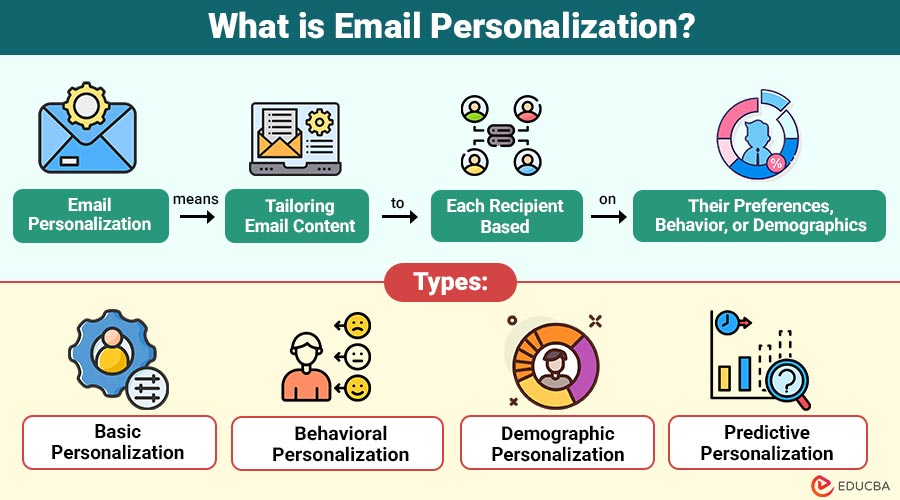
Email personalization means tailoring email content to each recipient based on their preferences, behavior, or demographics. Instead of sending the same message to everyone, businesses customize emails to match individual interests, making communication more relevant and engaging.
For example, if you buy running shoes online, you might later receive an email suggesting matching sportswear or accessories. This personalized touch helps brands build trust and improve customer relationships.
Table of Content:
- What is Email Personalization?
- Why Personalization Matters in Email Campaigns
- Types of Email Personalization
- Data:The Backbone of Personalization
- Personalization Techniques That Drive Results
- Tools and Platforms for Smarter Personalization
- Examples of Successful Personalized Email Campaigns
- Common Mistakes
- Future Trends
Key Takeaways
- Email personalization helps create stronger customer connections by making messages relevant and engaging.
- Using accurate data and smart tools ensures effective targeting and improved campaign results.
- Avoiding common mistakes like over-personalization or outdated data keeps communication authentic and impactful.
- With emerging trends like AI-driven insights and real-time updates, the future of personalized email marketing promises deeper engagement and long-lasting customer loyalty.
Why Personalization Matters in Email Campaigns?
Personalization helps turn ordinary emails into meaningful conversations that connect with each reader.
- Increases Engagement: Personalized emails grab attention by addressing the reader’s specific interests, leading to increased open and click rates.
- Builds Stronger Connections: When messages feel personal and relevant, customers feel valued and are more likely to trust your brand.
- Boosts Conversions: Sending the right message to the right person at the right time increases the chances of them making a purchase or taking action.
- Reduces Unsubscribes: People are less likely to ignore or unsubscribe from emails that match their needs and preferences.
- Improves Customer Experience: Personalization enables brands to communicate in a friendly, human manner, rather than sounding robotic or generic.
- Encourages Loyalty: Consistent and relevant communication keeps customers coming back, helping to build long-term relationships and foster brand loyalty.
Types of Email Personalization
Email personalization can be applied in different ways to make messages more relevant and engaging for each subscriber. Here are the main types:
- Basic Personalization: This includes simple details, such as the recipient’s name, location, or gender, in the subject line or greeting. It adds a friendly, human touch.
- Behavioral Personalization: Based on user actions such as browsing history, cart activity, or past purchases. For example, sending a follow-up email after a customer views a product.
- Demographic Personalization: Tailoring emails according to age, job role, or interests to make the message more suitable for each group.
- Dynamic Content Personalization: Using changing elements like images, product recommendations, or offers that automatically adjust for each user.
- Predictive Personalization: Using AI and data analytics to predict what the customer might need next and send relevant suggestions ahead of time.
Data: The Backbone of Personalization
Data is the foundation that enables email personalization. Without accurate and relevant data, it is impossible to send meaningful or targeted messages. Here is how data supports personalization:
- Understanding Customer Preferences: Data helps marketers learn what customers like, buy, or search for, allowing them to send more relevant emails.
- Segmentation: By categorizing subscribers into segments according to age, interests, or behavior, brands can develop customized content for each group.
- Behavior Tracking: Monitoring actions such as clicks, purchases, or website visits enables the sending of timely follow-ups or recommendations.
- Predictive Insights: AI-powered data analysis can forecast customer needs and recommend the most suitable products or offers.
- Improving Accuracy: Clean and updated data ensures that emails reach the right person with the right message.
- Ethical Data Use: Following privacy rules, such as GDPR, and utilizing first-party data fosters trust and transparency with customers.
Personalization Techniques That Drive Results
Effective personalization goes beyond using a customer’s name—it is about creating messages that feel genuinely relevant. Here are some key techniques that deliver strong results:
- Audience Segmentation: Segment your email list by demographics, behavior, or purchase history to deliver more personalized and targeted messages.
- Dynamic Content: Use adaptable images, offers, or product recommendations that change according to each subscriber’s data.
- Behavior-Based Triggers: Send automated emails based on actions such as cart abandonment, browsing activity, or sign-ups.
- Personalized Subject Lines: Add names or specific interests to subject lines to grab attention and increase open rates.
- Timing Optimization: Analyze engagement data to send emails when each subscriber is most likely to open them.
- AI-Powered Recommendations: Utilize machine learning to suggest products or content that your audience is most likely to be interested in.
Tools and Platforms for Smarter Personalization
To achieve effective email personalization, marketers rely on advanced tools and platforms that simplify automation and data use. Here are some key ones:
- Mailchimp: Offers audience segmentation, automated workflows, and personalized product recommendations.
- HubSpot: Combines CRM data with email marketing tools to create highly targeted and behavior-based campaigns.
- ActiveCampaign: Uses automation and AI to send emails based on customer actions and preferences.
- Sendinblue (Brevo): Helps design dynamic email templates and personalize messages with real-time customer data.
- Klaviyo: Ideal for eCommerce, it tracks browsing and purchase activity to send personalized offers.
- Salesforce Marketing Cloud: Provides deep data insights, predictive analytics, and advanced automation for enterprise-level personalization.
- Campaign Monitor: Enables tailored content blocks and dynamic segmentation for better engagement.
Examples of Successful Personalized Email Campaigns
Here are some real-world examples of how leading brands use personalization to connect with their audiences:
- Amazon – Product Recommendations: Amazon sends personalized emails suggesting products based on customers’ browsing and purchase history. This approach feels helpful rather than salesy and encourages repeat purchases.
- Spotify – Year in Review: Spotify creates custom “Wrapped” emails showing users their most-listened songs and artists of the year. This personalized recap sparks excitement and sharing on social media.
- Netflix – Content Suggestions: Netflix emails users with movie or show recommendations similar to those they have already watched, keeping them engaged and encouraging them to return to the platform.
- Airbnb – Travel Inspiration: Airbnb personalizes emails by suggesting destinations based on users’ past searches or trips, inspiring them to plan their next getaway.
- Sephora – Refill and Reward Reminders: Sephora sends personalized beauty tips, refill reminders, and loyalty rewards to its customers, thereby improving satisfaction and driving repeat sales.
Common Mistakes to Avoid in Email Personalization
While personalization improves engagement, doing it wrong can harm your brand image. Here are some common mistakes to avoid:
- Using Incorrect Data: Misspelled names or wrong details can make emails look careless and unprofessional. Always double-check data accuracy.
- Over-Personalization: Sharing too much personal information can make customers feel uncomfortable or watched. Keep personalization subtle and relevant.
- Ignoring Segmentation: Sending the same email to everyone reduces effectiveness. Group your audience by interests or behavior for better targeting.
- Lack of Testing: Failing to test subject lines, visuals, or personalization variables can lead to poor performance. A/B testing helps improve results.
- Not Updating Data: Outdated customer data leads to irrelevant messages. Regularly clean and refresh your mailing lists.
- Forgetting Mobile Optimization: Many users check emails on phones. If emails are not mobile-friendly, personalization efforts may go unnoticed.
Future Trends in Email Personalization
Email personalization is evolving rapidly with the advent of new technology and more sophisticated marketing methods. Here are key trends shaping its future:
- AI-Driven Personalization: Artificial intelligence analyzes user behavior to create highly tailored emails that match individual needs in real-time.
- Hyper-Personalization: Beyond using names, brands will customize content, visuals, and timing based on detailed data and emotional insights.
- Predictive Analytics: Marketers will utilize data to anticipate what customers might want next and send targeted recommendations before they even search for them.
- Interactive Emails: Features like polls, mini-quizzes, and clickable elements will make personalized emails more engaging and enjoyable.
- Omnichannel Integration: Email personalization will connect with other channels, such as SMS, social media, and websites, to provide a seamless user experience.
- Privacy-Focused Personalization: Brands will strike a balance between personalization and strong data protection, ensuring customers feel safe and respected.
Conclusion
Email personalization has transformed the way brands connect with customers. It’s no longer about sending bulk messages but about building meaningful relationships through tailored communication. By utilizing data effectively, leveraging smart tools, and prioritizing customer preferences, businesses can develop more effective campaigns. Personalized emails not only boost engagement and sales but also strengthen long-term trust and brand loyalty in today’s competitive digital world.
Frequently Asked Questions
1. How often should personalized emails be sent?
Answer:- Personalized emails should be sent based on customer behavior and engagement frequency, not on a fixed schedule.
2. Does personalization work for small businesses?
Answer:- Yes, even simple personalization like using names or tailored offers can significantly boost engagement for small businesses.
3. Can personalization increase email open rates?
Answer:- Absolutely, personalized subject lines and content significantly boost open and click rates.
4. Is personalization expensive to implement?
Answer:- Not necessarily—many affordable email marketing tools offer built-in personalization features suitable for any budget.
Recommended Articles
We hope this guide on Email Personalization helped you understand its importance in marketing. For more insights, explore these related articles below:


