


What Natural Disasters Can Teach Us About Building Resilient Teams?
Risk management is not just for analysts; it is a skill every team needs. Disaster preparedness for teams is essential because natural disasters like hurricanes, wildfires, and floods can halt operations overnight. NOAA data shows billion-dollar weather disasters in the U.S. have more than doubled since the 1980s, with storms growing more intense as oceans warm.
These are not just “bad weather” events; they are real-world tests of how well we identify risks, build contingencies, and protect people and assets. Moreover, the lessons apply far beyond emergency planning; project managers, engineers, marketers, and anyone leading work has something to learn.
The real question is, are we acting on those lessons before the next disaster strikes? Disaster preparedness for teams should start long before a crisis hits.
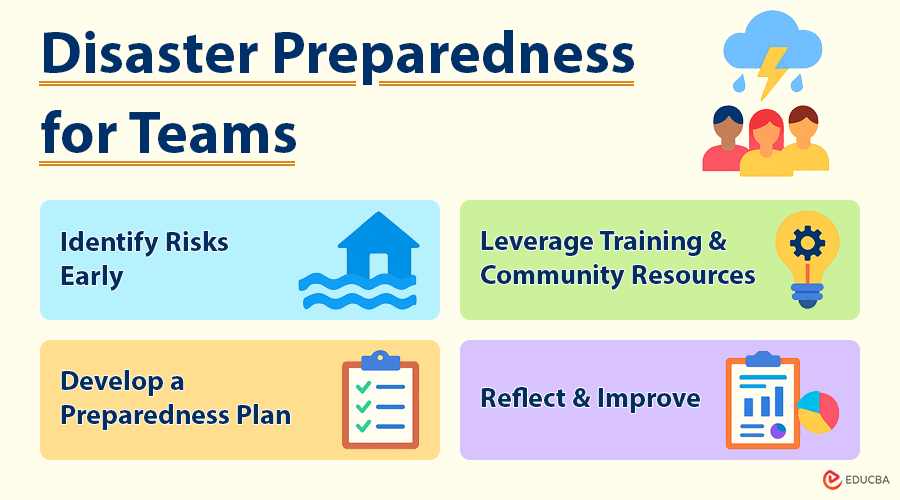
Identify Risks Early for Disaster Preparedness for Teams
Risk identification begins with awareness. In project management, you map out potential obstacles before they affect deliverables. The same principle applies to natural hazards. Ask yourself and your team:
What events are likely?
In the Atlantic, hurricane season is from June to November, while wildfires, earthquakes, floods, and winter storms happen at other times. To stay informed, track forecasts, seasonal trends, and historical data for each relevant hazard.
What assets are vulnerable?
Data centers, offices, servers, and even cloud infrastructure can be affected by power outages, flooding, smoke damage, or structural impacts.
Who is at risk?
Remote workers in exposed regions may lose internet or electricity. Supply chain partners might operate near fault lines, in floodplains, or areas prone to extreme weather.
By compiling a risk register, you can prioritise threats based on their probability and impact. Remember that many of the costliest disaster years in recent decades have occurred since the mid-1990s, so do not assume past quiet periods guarantee a safe year. In project management terms, natural disasters represent high-impact, low-frequency risks; underestimating them can be costly. Effective disaster preparedness for teams starts with this step.
Develop a Preparedness Plan
After you identify risks, take the next step and plan. A disaster preparedness plan has parallels with a contingency plan in business. It should address both personal safety and business continuity. Key elements include:
- Emergency supplies: Recommends water (one gallon per person per day), non‑perishable food, a radio, flashlight, first‑aid kit, extra batteries, and copies of important documents. Encourage employees to assemble kits at home and keep a smaller version at work.
- Communication protocols: Establish clear chains of communication. Who notifies staff of closures? How will remote workers check in if they lose power? Maintain an up‑to‑date contact list accessible offline.
- Evacuation and shelter options: Identify safe evacuation routes and local shelters. Some organisations arrange shuttles or provide stipends for employees needing to relocate temporarily.
- Data protection: Regularly back up critical data to multiple geographic regions. Test disaster recovery systems to ensure you can restore operations if servers go offline.
Breaking down the plan into actionable steps makes it easier to implement and audit. Assign responsibilities just as you would in a project charter: who maintains the emergency kit list, who oversees data backups, and who liaises with local authorities? This is where disaster preparedness for teams moves from theory to execution.
Leverage Training and Community Resources for Disaster Preparedness for Teams
Just as professionals pursue certifications to enhance their skills, they should seek out training on emergency preparedness. Short courses on disaster response or first aid empower team members to act calmly and effectively. Consider incorporating drills into your team’s schedule; run tabletop exercises to simulate a hurricane warning and practice decision‑making.
Organisations do not operate in a vacuum. Collaborating with external partners amplifies resilience. For example, supporting hurricane relief initiatives connects your company to broader efforts to stock supplies, set up shelters, and provide medical care to affected communities. In addition to the humanitarian benefits, these partnerships create knowledge‑sharing opportunities. Relief organisations have experience coordinating volunteers, allocating resources, and managing logistics under pressure, skills transferable to risk management and disaster preparedness for teams.
Teams can also share resources internally. Create a repository of emergency contacts, preparedness checklists, and local hazard maps. Instruct employees to subscribe to weather alerts and understand their meanings. By building a culture of preparedness, you reduce confusion when a real storm hits.
Reflect and Improve
After each natural disaster season or any significant disruption, schedule a post‑mortem.
- Did your supply chain hold up?
- Were data backups accessible?
- Did employees feel informed and safe?
Use qualitative and quantitative metrics to assess what worked and where gaps remain. Continuous improvement is a core tenet of both risk management and professional development. Just as you refine project workflows or marketing strategies over time, refine your emergency plans based on lessons learned. An annual review is essential for sustainable disaster preparedness for teams.
Final Thoughts
Natural hazard preparedness is not solely the domain of emergency responders; it is a practical application of risk management that anyone can learn from. Identifying potential threats, crafting detailed plans, investing in training, and collaborating with community resources are steps that translate directly to business resilience.
As storms become more intense, applying these lessons will protect not only your projects and teams but also the communities that support them. By treating planning as a case study in risk management, you turn a seasonal hazard into an opportunity to build stronger, more adaptable organisations. Strong disaster preparedness for teams is not just about survival; it is about long-term resilience.
Recommended Articles
We hope this guide on disaster preparedness for teams was helpful. Explore related articles on risk management strategies, business continuity planning, and building resilient workplaces.

