
What is Digital Transformation?
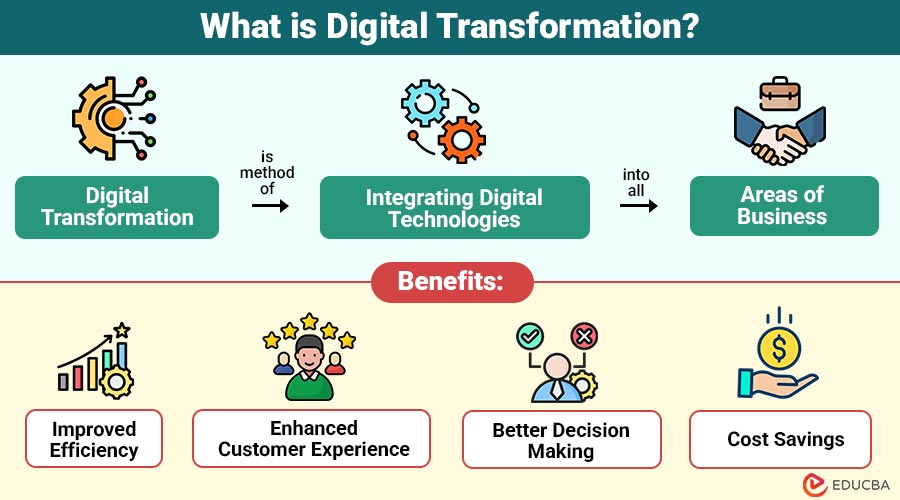
Digital transformation is the method of integrating digital technologies into all areas of a business. This transformation changes how a business operates internally and externally, improving efficiency, customer experiences, and overall business performance. It is not just about adopting new technology but also about rethinking business models, processes, and organizational culture to become more agile and competitive.
Table of Contents:
Key Takeaways:
- Digital transformation enables businesses to innovate continuously, improving agility, efficiency, and responsiveness to market changes rapidly.
- Integrating technology, data insights, and culture shift drives enhanced customer experiences and operational excellence consistently.
- Strategic adoption of AI, cloud, and automation supports scalable growth and smarter decision-making organization-wide.
- Success requires embracing change, fostering digital skills, and aligning processes with evolving business objectives proactively.
Key Elements of Digital Transformation
Here are the key elements that drive successful initiatives:
1. Technology Integration
Digital transformation involves leveraging technologies such as AI, automation, big data analytics, and IoT to enhance and streamline business processes.
2. Process Optimization
Traditional processes can be slow, error-prone, or inefficient. Digital transformation allows businesses to automate workflows, improve collaboration, and reduce operational costs.
3. Customer Experience Enhancement
Businesses today must offer seamless, personalized experiences. Digital tools help companies understand customer behavior and provide services tailored to their needs.
4. Cultural Shift
A successful transformation requires a cultural change where employees embrace innovation, collaboration, and continuous learning.
Importance of Digital Transformation
Digital transformation has become more than just a trend—it is a necessity. Here are some reasons why businesses should prioritize it:
1. Stay Competitive
Companies that adopt digital solutions outperform competitors who rely on traditional methods. Digital transformation enables faster decision-making and the development of innovative business models.
2. Better Customer Experience
Customers expect instant, personalized, and seamless interactions. Digital tools allow businesses to meet these expectations efficiently.
3. Operational Efficiency
Automation and cloud solutions reduce manual tasks, minimize errors, and save time, leading to higher productivity.
4. Data-Driven Decisions
Better strategic decisions are made possible by the insights that analytics and artificial intelligence (AI) offer on consumer behavior, market trends, and company performance.
5. Scalability and Agility
Digital systems enable businesses to scale their operations quickly and respond to market changes more efficiently than ever before.
How Digital Transformation Works?
Implementing digital transformation involves several strategic steps.
1. Assess Current Processes
Examine your business operations carefully, identify inefficiencies, and determine specific areas where digital technologies can add significant value and improve overall performance.
2. Set Clear Goals
Define precise objectives for digital transformation, such as enhancing customer experience, increasing revenue, streamlining processes, or improving operational efficiency within the organization.
3. Choose the Right Technology
Select technologies that align with business goals, including cloud computing, AI, IoT, or RPA, to improve efficiency, productivity, and innovation.
4. Foster a Digital Culture
Promote a culture where employees embrace innovation, upskill continuously, adapt to change, and contribute proactively to the organization’s digital transformation journey.
5. Monitor and Optimize
Continuously track performance, collect feedback, evaluate strategies, and make improvements to ensure digital transformation delivers maximum benefits and long-term business growth.
Benefits of Digital Transformation
Here are the key benefits businesses gain through digital transformation:
1. Improved Efficiency
Automation and digital tools streamline business processes, minimize manual errors, save time, and enhance overall operational efficiency across departments effectively.
2. Enhanced Customer Experience
It enables personalized services, faster responses, and seamless interactions, improving customer satisfaction, loyalty, and long-term engagement significantly.
3. Better Decision Making
Businesses can identify opportunities, make informed strategic decisions, and effectively and proactively manage obstacles by leveraging data-driven insights and analytics.
4. Cost Savings
Digital tools optimize workflows, reduce unnecessary expenses, improve resource allocation, and lower operational costs while maintaining quality and productivity consistently.
Challenges of Digital Transformation
While digital transformation brings many benefits, businesses may face challenges such as:
1. Resistance to Change
Employees may feel uncomfortable adopting new technologies or processes, causing hesitation and slowing down digital transformation initiatives within the organization.
2. High Initial Costs
Implementing digital tools often requires substantial financial investment upfront, including software, hardware, and training expenses, which may challenge budget-constrained organizations.
3. Data Security Concerns
Digital systems require strong cybersecurity measures to protect sensitive information from breaches, ensuring data privacy, compliance, and overall organizational security.
4. Skill Gaps
Employees need proper training and continuous upskilling to use new digital technologies effectively, ensuring successful adoption and maximizing transformation benefits.
Examples of Digital Transformation in Action
Here are examples of how it is reshaping various industries:
1. Retail
Retail giants like Amazon have transformed shopping experiences through personalized recommendations, fast deliveries, and digital payment systems.
2. Banking
Banks use digital transformation for mobile banking, AI-powered fraud detection, and automated customer support, improving security and convenience.
3. Healthcare
Hospitals use digital tools to manage patient records, telemedicine, and AI diagnostics, enhancing patient care and operational efficiency.
4. Education
Schools and universities are integrating online learning platforms, virtual classrooms, and digital assessments to enhance accessibility and improve learning outcomes.
Future of Digital Transformation
Digital transformation is continuously evolving. Emerging trends shaping the future include:
1. Artificial Intelligence & Automation
Advanced AI and automation technologies will perform complex tasks efficiently, improving productivity, accuracy, and decision-making across businesses globally.
2. 5G Technology
Faster 5G connectivity will enable real-time collaboration, seamless communication, and expanded Internet of Things (IoT) applications for businesses worldwide.
3. Blockchain
Blockchain technology provides secure, transparent, and tamper-proof transaction systems, improving trust, accountability, and efficiency in data and business operations.
4. Sustainable Digital Practices
Eco-friendly digital solutions will drive innovation, reduce environmental impact, and encourage responsible business practices while maintaining competitive advantages globally.
Final Thoughts
Businesses must now embrace digital transformation if they want to survive and succeed in the long run in the current competitive landscape. By integrating modern technologies, rethinking processes, and fostering a culture of innovation, companies can enhance efficiency, deliver better customer experiences, and unlock new growth opportunities. Whether you are a small startup or a large enterprise, embracing digital transformation can be the key to long-term success in digital era.
Frequently Asked Questions (FAQs)
Q1. Is digital transformation only about technology?
Answer: No, it also involves process improvement, cultural change, and business model innovation.
Q2. How long does digital transformation take?
Answer: It varies by organization size and complexity, but it is an ongoing journey rather than a one-time project.
Q3. Can small businesses benefit from digital transformation?
Answer: Absolutely. Even small businesses can leverage cloud tools, social media, and automation to grow efficiently.
Q4. Which industries benefit most from digital transformation?
Answer: All industries can benefit, but retail, healthcare, finance, education, and logistics have seen significant gains.
Recommended Articles
We hope that this EDUCBA information on “Digital Transformation” was beneficial to you. You can view EDUCBA’s recommended articles for more information.


