


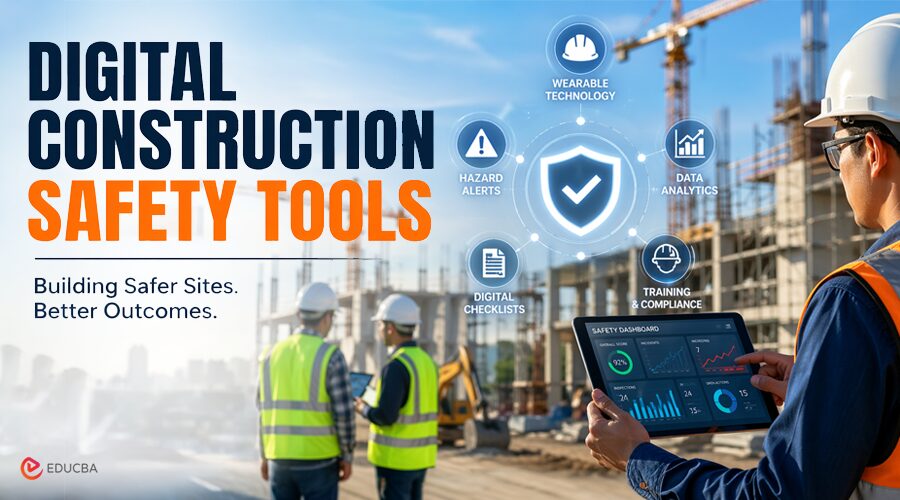
Construction site safety remains a critical focus across the industry, with construction companies under increasing pressure to manage safety risks, protect workers, and comply with strict regulations. Traditional safety management systems often struggle to handle the scale and complexity of modern construction projects. This can lead to poor safety monitoring, inconsistent procedures, and overlooked hazards on construction sites.
To address these challenges, many construction professionals are adopting digital construction safety tools to strengthen construction safety management and improve overall safety performance. Using construction safety software enables teams to document safety checks, manage incident reports, and conduct risk assessments more efficiently while maintaining accurate compliance records across multiple construction sites. These digital systems help safety managers identify hazards early, implement proactive measures, and enhance safety standards across projects.
Modern digital construction safety tools are helping construction companies strengthen these safety protocols while improving monitoring and reporting capabilities across multiple job sites.
The Growing Importance of Construction Site Safety
The construction industry faces numerous safety risks every day, including hazardous materials and challenging environmental conditions. Workers must also deal with heavy machinery and tasks such as working at height, which increase the risk of accidents. Without proper safety protocols and procedures, construction companies put workers at risk of hazards that may lead to accidents and long-term problems.
Construction site safety is no longer just about meeting basic safety regulations. It is now an essential component of construction management, with a stronger focus on safety culture, continuous improvement, and risk reduction. Safety managers and safety officers implement structured safety procedures and conduct regular safety audits. They also ensure compliance with safety standards at every stage of construction projects.
Modern digital construction safety tools are helping construction companies strengthen these safety protocols while improving monitoring and reporting capabilities across multiple job sites.
How Digital Construction Safety Tools Are Transforming Safety Management?
Digital construction safety tools transform safety management by introducing smarter, more efficient technology solutions. These digital systems allow construction companies to move away from paper-based processes and adopt centralized platforms for safety management, document management, and safety monitoring.
With mobile apps, safety officers can complete safety checklists directly on-site, document safety checks in real time, and instantly log incident reports. This improves accuracy and ensures that compliance records are always up to date. Safety managers can review safety performance across multiple construction sites and track emerging safety trends. They can also use real-time data analytics to make informed safety decisions.
This shift to digital construction safety tools improves safety practices and enables construction professionals to prevent risks rather than respond after incidents occur.
Using Data Analytics to Improve Safety Performance
One of the most significant benefits of digital construction safety tools is the ability to use data analytics to analyze safety risks and identify patterns. By analyzing historical data, construction companies can detect recurring safety hazards, understand potential hazards, and implement preventive measures to reduce future incidents.
Data-driven insights allow safety managers to:
- Identify high-risk areas across construction sites
- Monitor overall safety performance
- Improve safety protocols and safety procedures
- Strengthen regulatory compliance.
This approach supports continuous improvement and helps businesses build a stronger safety culture across all construction projects using digital construction safety tools.
Emerging Technologies in Construction Safety
Technological advancements are introducing innovative solutions that go beyond traditional safety management systems. Emerging technologies such as artificial intelligence, wearable technology, and augmented reality are increasingly strengthening digital construction safety tools across the construction industry.
Wearable Technology and Smart Equipment
Wearable technology, including smart helmets and vests, can monitor vital signs, detect environmental conditions, and alert construction workers to potential safety risks. These tools provide real-time safety monitoring and help prevent accidents before they occur.
Artificial Intelligence and Sensor-Based Systems
Artificial intelligence and sensor-based systems identify hazards, track safety performance, and automate safety monitoring processes. These systems quickly analyze data and enable construction companies to respond more quickly to safety risks.
Augmented Reality and Virtual Reality
Augmented reality (AR) and virtual reality (VR) are changing how companies train their employees. These technologies create immersive training experiences in a controlled environment, allowing construction workers to practice safety procedures and understand safety risks without exposure to real danger.
Improving Communication and Safety Culture
Enhancing communication is a key factor in improving construction site safety. Digital construction safety tools improve collaboration between safety managers, safety officers, and construction workers. They provide instant access to training materials, safety checklists, and compliance regulations.
By improving communication, construction companies can:
- Ensure safety procedures are clearly understood
- Encourage reporting of safety hazards
- Strengthen accountability across teams
- Promote a proactive safety culture.
This leads to better engagement from construction professionals and supports safer working environments across all construction sites.
The Role of Digital Construction Safety Tools in Regulatory Compliance
Meeting compliance regulations is a major challenge for the construction industry. Digital systems simplify this by centralizing compliance records, safety audits, and document management processes in one place.
Construction companies can:
- Maintain accurate compliance records
- Conduct safety audits more efficiently
- Track regulatory compliance across projects
- Ensure teams consistently meet all safety standards.
This reduces administrative burden and helps businesses stay aligned with evolving safety regulations.
The Future of Digital Construction Safety Tools
Digital tools will continue to help improve safety in the construction industry. As emerging technologies evolve, construction companies will gain access to more advanced safety management systems that offer deeper insights, better safety monitoring, and improved risk assessment capabilities.
The focus will shift further towards:
- Proactive measures and preventive measures
- Greater use of data analytics
- Increased adoption of artificial intelligence
- Stronger integration of wearable technology.
These safety trends will bring significant benefits to construction companies by helping reduce workplace accidents and improve overall safety performance. They will also help create safer construction sites for all workers.
Final Thoughts
Digital construction safety tools and technological advancements are rapidly transforming construction site safety, reshaping how teams approach safety management. From mobile apps and data analytics to wearable technology and virtual reality, these innovative solutions help construction professionals identify hazards and improve safety practices. They also support better monitoring and ensure compliance with safety regulations.
By adopting digital construction safety tools and embracing continuous improvement, construction companies can enhance safety, reduce risk, and adopt a more resilient, effective approach to construction safety management.
Recommended Articles
We hope this guide on digital construction safety tools helps you understand how technology is improving safety management, risk monitoring, and compliance across modern construction sites. Explore the recommended articles below to learn more about construction technology, workplace safety innovations, and digital solutions transforming the construction industry.

