


Introduction to Degenerative Disc Disease
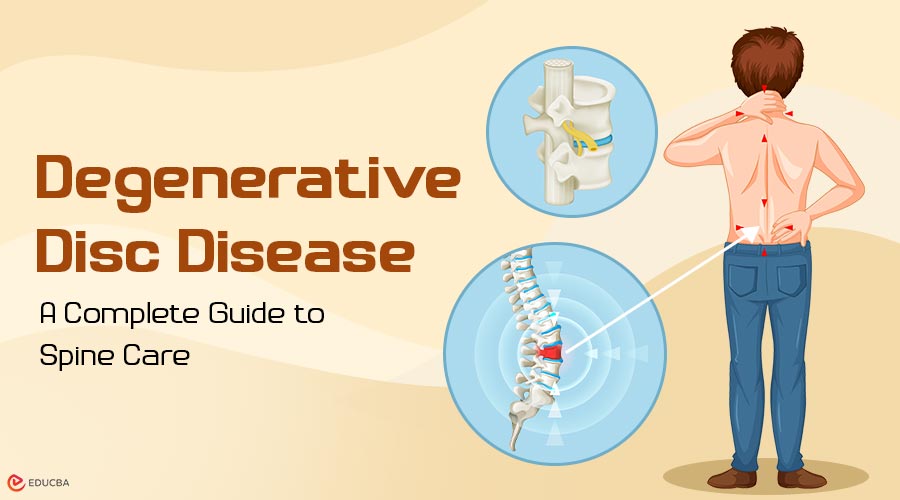
Degenerative disc disease (DDD) is a common spinal condition that affects many adults as they age. Despite its name, it is not actually a disease but a natural process in which the spinal discs gradually change over time. These discs cushion the vertebrae, enabling the spine to bend, twist, and move smoothly. When discs lose flexibility or hydration, discomfort and mobility issues may develop.
Understanding Spinal Discs
Spinal discs are soft, cushion-like structures located between the bones of the spine. Each disc features a tough outer layer and a gel-like center that cushions shocks during movement. Healthy discs allow the spine to remain flexible while protecting the vertebrae from impact.
As part of the ageing process, discs naturally lose water content. This makes them less flexible and more prone to wear. In some people, these changes cause little or no discomfort, while in others they may lead to pain, stiffness, or nerve-related symptoms.
Common Symptoms of Degenerative Disc Disease
Symptoms vary widely and depend on which part of the spine is affected. Some individuals experience mild discomfort, while others develop chronic pain. Common symptoms include persistent neck or lower back pain, pain that worsens with sitting or bending, stiffness, and reduced range of motion. In some cases, disc degeneration can irritate nearby nerves, leading to tingling, numbness, or weakness in the arms or legs. Pain may improve with movement and worsen during prolonged sitting or standing.
What Causes Disc Degeneration?
Ageing is the primary factor, but several lifestyle and health-related factors can accelerate disc wear. Poor posture places uneven pressure on discs, increasing strain over time. Repetitive movements, heavy lifting, and prolonged sitting can also contribute. Smoking reduces blood flow to spinal tissues, limiting the delivery of nutrients needed to maintain disc health.
Lack of regular exercise weakens core muscles that support the spine, increasing stress on spinal discs. Genetics may also influence the rate of disc degeneration. Specialists at an orthopaedic clinic often stress that while disc changes are common, symptoms are not inevitable. Many people with disc degeneration remain pain-free with proper care.
Diagnosing Degenerative Disc Disease
Diagnosis starts with a detailed evaluation of symptoms, medical history, and physical movement. Doctors may use imaging tests to assess disc health and pinpoint the source of discomfort. It is important to note that disc degeneration seen on imaging does not always correlate with pain levels. Some individuals exhibit significant changes without symptoms, whereas others experience discomfort despite minimal visible degeneration.
Non-Surgical Management Options
Doctors manage most cases of degenerative disc disease without surgery. Conservative treatment focuses on reducing pain, improving function, and preventing further strain. Physiotherapy is often a key component, helping strengthen core muscles, improve posture, and increase flexibility. Healthcare professionals may recommend modifying activities to reduce movements that aggravate symptoms.
Targeted exercises support the spine and help distribute loads more evenly. You can use heat or cold therapy to manage muscle tension and discomfort. At an orthopedic clinic, treatment plans are tailored to individual needs, taking into account lifestyle, work demands, and overall health.
The Importance of Posture and Ergonomics
Daily posture plays a major role in spinal health. Poor sitting posture places excessive pressure on discs, particularly in the lower back. Implementing ergonomic adjustments at work and at home can significantly reduce strain. In orthopaedic Singapore, healthcare professionals frequently emphasise proper desk setup due to the high number of office-based workers. Simple changes, such as adjusting chair height and screen position, and taking regular movement breaks, can make a noticeable difference.
Exercise and Spine Support
Regular exercise supports disc health by improving circulation and strengthening surrounding muscles. Low-impact activities like walking, swimming, and gentle strength training are usually recommended. Core-strengthening exercises are particularly important because strong abdominal and back muscles reduce the load on spinal discs. Consistency is key, as occasional exercise is less effective than regular, moderate activity.
When to Seek Professional Advice?
You should not ignore persistent pain, numbness, weakness, or difficulty performing daily activities. Early assessment allows for accurate diagnosis and appropriate management before symptoms worsen. An orthopedic clinic can determine whether disc degeneration contributes to symptoms and guide patients toward appropriate treatment options. Addressing issues early usually results in better long-term outcomes.
Living Well with Degenerative Disc Changes
Degenerative disc changes are a natural part of ageing, but they do not have to limit quality of life. With informed lifestyle choices, proper posture, regular exercise, and professional guidance, many individuals manage symptoms effectively and remain active.
Understanding the condition empowers people to take control of their spinal health. By addressing risk factors early and adopting supportive habits, long-term spinal comfort and mobility are achievable.
Final Thoughts
Degenerative disc disease is a common and natural part of ageing, but it does not have to control your life. With early awareness, proper posture, regular exercise, and professional guidance, most people can manage symptoms effectively and maintain an active lifestyle. Understanding how spinal discs change over time allows you to take proactive steps to protect your spine, reduce discomfort, and enhance mobility. By adopting healthy habits and seeking timely care, it is entirely achievable to live well with degenerative disc disease.
Recommended Articles
We hope this guide to degenerative disc disease helps you understand and manage spinal health. Check out these recommended articles for more tips and strategies to support your health.

