
What is Data Sanitization?
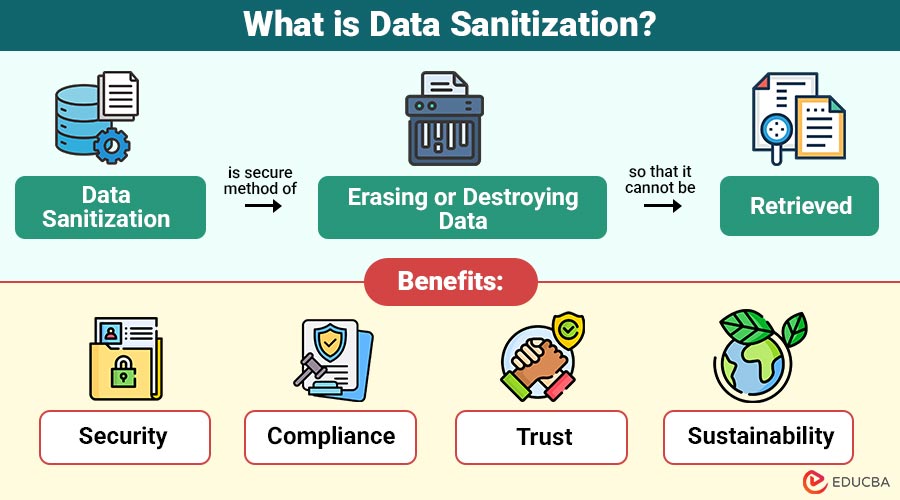
Data sanitization is a secure method of erasing or destroying the data so that it cannot be retrieved. Unlike simple file deletion or formatting, sanitization ensures that data is unrecoverable, even with advanced recovery tools.
For example, when a company retires old hard drives, it uses data sanitization tools like disk wiping software or physical destruction (shredding the drive) to make sure confidential files such as customer records or financial data can never be recovered, even by hackers using advanced recovery methods.
Table of Contents:
Key Takeaways:
- Data sanitization ensures irreversible data destruction, preventing recovery even with advanced forensic tools.
- Proper sanitization safeguards organizational assets, protecting against breaches, fraud, and regulatory non-compliance risks.
- Choosing the right sanitization method balances device reuse, environmental impact, and absolute data security.
- Future-focused sanitization trends emphasize automation, eco-friendly disposal, and advanced methods for SSDs and cloud systems.
Why is Data Sanitization Important?
Data sanitization is critical because data leaks can cause huge problems. Here are the main reasons why it matters:
1. Protects Privacy
Sanitization ensures sensitive personal data, such as bank details, medical records, or ID information, remains secure, preventing leaks from discarded devices.
2. Prevents Identity Theft
Hackers exploit leftover data for fraud, identity theft, or credit misuse. Sanitization blocks recovery, ensuring sensitive personal details remain permanently unrecoverable.
3. Compliance with Laws
Organizations must follow regulations like GDPR, HIPAA, or India’s DPDP Act. Proper sanitization prevents noncompliance, avoiding heavy fines and lawsuits.
4. Business Security
Sanitizing storage devices prevents exposure of corporate secrets, trade documents, or customer information, safeguarding against competitive misuse or unauthorized malicious exploitation.
5. Trust and Reputation
A single overlooked data breach destroys trust. Proper sanitization strengthens customer confidence, safeguards reputation, and ensures business credibility remains untarnished.
Key Methods of Data Sanitization
There are several techniques used to sanitize data. The method chosen often depends on the type of device, the sensitivity of data, and compliance requirements.
1. Data Erasure (Wiping)
This method overwrites data multiple times using patterns or random values with specialized tools, ensuring files on HDDs, SSDs, or USBs become permanently unrecoverable.
2. Cryptographic Erasure
Data is encrypted, and deleting the encryption key renders information unreadable. It is fast and secure for encrypted drives or cloud storage, but it depends entirely on strong encryption.
3. Degaussing
A powerful magnetic field permanently erases data on tapes or hard drives. While quick and effective, it renders the device useless and non-reusable afterward.
4. Physical Destruction
Devices are shredded, crushed, or burned to destroy data completely. Though 100% effective against recovery, it prevents reuse and generates environmental electronic waste concerns.
5. Overwriting
This involves repeatedly writing random binary data (1s and 0s) onto drives, effective for HDDs but less reliable for SSDs due to wear-leveling technology.
Benefits of Data Sanitization
Here are the key benefits of proper data sanitization that highlight its importance:
1. Security
Data sanitization prevents unauthorized recovery of sensitive information, protecting individuals and organizations from leaks, breaches, identity theft, and cyberattacks that could cause serious financial or reputational harm.
2. Compliance
Proper sanitization ensures organizations meet strict legal, regulatory, and industry requirements like GDPR, HIPAA, or DPDP, avoiding penalties, lawsuits, and maintaining full data protection standards consistently.
3. Trust
Effective sanitization safeguards customer privacy, builds confidence, and strengthens long-term relationships by proving organizations respect data security, handle sensitive information responsibly, and protect user trust against breaches.
4. Sustainability
Some sanitization methods, such as secure erasure, allow devices to be safely reused or resold, reducing unnecessary e-waste while ensuring complete data protection and security.
Challenges in Data Sanitization
Despite its importance, data sanitization comes with challenges:
1. Complexity of Devices
Sanitizing modern devices like SSDs, cloud storage, and IoT systems is challenging due to complex architectures and diverse storage technologies.
2. Time & Cost
Certain sanitization methods require significant time, resources, and specialized tools, making large-scale or repeated processes costly for organizations and individuals.
3. Verification
Organizations must validate and document sanitization processes properly, ensuring no recoverable data remains, to satisfy compliance requirements and regulatory audits effectively.
4. Awareness
Many individuals mistakenly assume that deleting or formatting data is sufficient. Lack of awareness results in incomplete sanitization and increased risks of data exposure.
Real World Examples
Here are some practical examples of how data sanitization is applied across different sectors to ensure privacy, compliance, and security.
1. Healthcare Sector
Hospitals must securely sanitize patient records before discarding outdated systems. Without proper sanitization, sensitive health data could leak, violating HIPAA regulations and risking patient confidentiality breaches.
2. Corporate Sector
Companies upgrading or replacing employee laptops must sanitize hard drives before recycling or donating devices, ensuring sensitive customer data, trade secrets, and business information remain fully secure.
3. Government Agencies
Defense and government departments often rely on degaussing or physical destruction methods to permanently eliminate sensitive information, protecting critical national security data from potential exploitation or leaks.
4. Everyday Use
Individuals selling smartphones or personal devices should wipe data before transfer. Sanitization prevents personal photos, messages, accounts, and credentials from falling into unauthorized or malicious hands.
Best Practices for Data Sanitization
To ensure effective sanitization, follow these guidelines:
1. Choose the Right Method
Select sanitization methods wisely: erasure for reuse, degaussing for magnetic media, and physical destruction for highly sensitive or confidential data.
2. Document the Process
Maintain detailed records of sanitization steps, including method, date, and responsible personnel. Documentation supports audits, compliance, and accountability effectively.
3. Use Certified Tools
Rely only on certified sanitization tools approved by standards like NIST or ISO, ensuring reliability, compliance, and guaranteed secure data disposal.
4. Verify Results
Always conduct validation checks after sanitization to confirm no recoverable data remains. Verification ensures effectiveness, compliance, and prevents accidental information exposure.
5. Train Employee
Educate staff about secure sanitization practices. Employee awareness reduces mistakes, strengthens security culture, and ensures sensitive data disposal is handled correctly.
6. Follow Regulations
Stay informed on global and local data protection laws. Adhering to regulations ensures compliance, avoids penalties, and guarantees safe data sanitization.
Future of Data Sanitization
Sanitization techniques will change along with technology. Among the new trends are:
1. AI-Powered Erasure Tools
Artificial intelligence will automate sanitization processes, increasing accuracy, speed, and efficiency while minimizing human error in data disposal.
2. Eco-Friendly Destruction
Future sanitization will emphasize environmentally friendly destruction methods, reducing electronic waste while still guaranteeing complete, secure, and permanent data elimination.
3. Advanced SSD Wiping
Innovative techniques will address SSD challenges, developing secure wiping methods that overcome wear-leveling limitations and ensure permanent deletion of sensitive data.
4. Stricter Compliance Rules
Global governments will enforce stricter data disposal regulations, requiring organizations to follow advanced sanitization standards for security and compliance assurance.
Final Thoughts
Data sanitization is more than an IT task—it’s a critical responsibility. Whether individuals or organizations, proper sanitization ensures privacy, security, and compliance. Simple deletion isn’t enough; only methods like wiping, degaussing, or destruction guarantee safety. By following best practices and certified tools, sensitive information stays protected, trust is preserved, and data remains secure forever.
Frequently Asked Questions (FAQs)
Q1. Is deleting files the same as data sanitization?
Answer: No. Deleted files can still be recovered. Sanitization ensures data is permanently erased.
Q2. Can data from SSDs be sanitized?
Answer: Yes, but traditional overwriting is less effective. Secure erase commands or cryptographic erasure are better.
Q3. Is data sanitization required by law?
Answer: Yes. Regulations like GDPR, HIPAA, and others require secure data disposal.
Q4. What happens if organizations do not sanitize data?
Answer: They risk data breaches, legal penalties, financial losses, and damage to reputation.
Recommended Articles
We hope that this EDUCBA information on “Data Sanitization” was beneficial to you. You can view EDUCBA’s recommended articles for more information.


