


What is Data-Driven SEO?
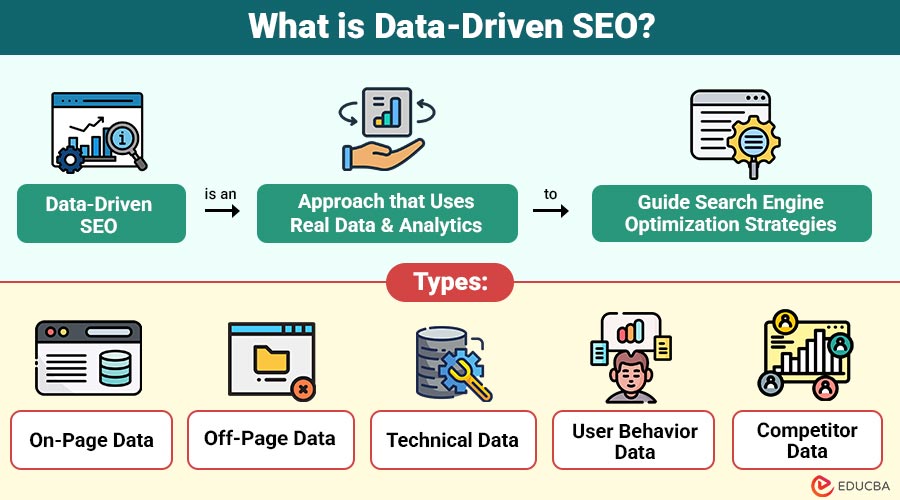
Data-Driven SEO is an approach that uses real data and analytics to guide search engine optimization strategies. Instead of relying on guesswork, it focuses on metrics like keyword performance, traffic trends, and user behavior to make informed decisions.
For example, if data shows a blog post on “healthy snacks” gets high engagement, you can create similar content or optimize it further to rank higher, attracting more visitors and conversions.
Table of Content:
- What is Data-Driven SEO?
- Why Data Matters in SEO
- Types
- Tools
- Implementing a Data-Driven SEO Strategy
- Benefits
- Key Metrics
- Common Challenges
Key Takeaways
- Data-Driven SEO helps make informed decisions using accurate insights instead of guesswork.
- Tracking key metrics, such as traffic, keywords, and conversions, ensures continuous improvement.
- Using the right tools simplifies data collection, analysis, and performance tracking.
- A well-planned data-driven strategy improves visibility, user experience, and long-term SEO success.
Why Data Matters in SEO
Data plays a vital role in SEO because it helps you make smart and informed decisions. Here is why it matters:
- Helps Identify Opportunities: Data reveals which keywords, topics, or pages generate the most traffic, enabling you to focus on what works best.
- Improves Decision-Making: Instead of guessing, data provides facts and numbers that effectively guide your SEO strategy.
- Tracks Performance: Analytics tools show how your site is performing — including rankings, bounce rates, and user behavior — so you can measure success.
- Enhances User Experience: Data shows how users interact with your site, allowing you to improve navigation, content, and page speed for better engagement.
- Adapts to Algorithm Changes: By tracking performance data, you can quickly adjust strategies when search engine algorithms update.
- Boosts ROI: Using accurate data ensures your efforts are targeted, leading to increased traffic, improved rankings, and higher conversions with less wasted effort.
Types of Data Used in SEO
Different types of data help improve SEO performance by offering insights into various aspects of a website. Here are the main types:
- On-Page Data: Includes keywords, meta tags, headings, and content quality. It helps you optimize pages for better visibility and relevance.
- Off-Page Data: Focuses on backlinks, social signals, and brand mentions. It shows how your site performs outside of your own domain.
- Technical Data: Covers site speed, mobile-friendliness, crawl errors, and indexing status. This guarantees that your website is optimized for search engines.
- User Behavior Data: Tracks metrics like bounce rate, session duration, and click-through rate to understand how visitors interact with your site.
- Competitor Data: Helps analyze competitors’ keywords, backlinks, and ranking strategies to identify new opportunities.
By analyzing these data types, businesses can make more informed SEO decisions and effectively boost their online performance.
Tools for Data-Driven SEO
Using the right tools is essential for collecting and analyzing SEO data effectively. Here are some key tools used in Data-Driven SEO:
- Google Analytics: Tracks website traffic, user behavior, and conversion data to help you understand how visitors interact with your site. It also shows which pages perform best.
- Google Search Console: Monitors your website’s visibility in search results. It provides insights into keyword performance, indexing issues, and click-through rates.
- Ahrefs: A powerful tool for backlink analysis, keyword research, and competitor tracking. It helps identify ranking opportunities and link-building prospects.
- SEMrush: Offers data on keywords, competitors, and website audits. It helps plan content strategies and track ranking progress over time.
- Google Data Studio: Converts complex SEO data into easy-to-read visual reports. It helps present insights clearly for better decision-making.
- Moz Pro: An all-in-one SEO platform that tracks rankings, analyzes links, and audits site performance to improve search visibility.
Implementing a Data-Driven SEO Strategy
Implementing a Data-Driven SEO strategy means using accurate data to plan, execute, and refine your SEO efforts. Here’s how to do it:
- Collect Relevant Data: Gather information from tools such as Google Analytics and Search Console regarding keywords, traffic, and user behavior.
- Analyze the Data: Study the data to identify what is working and what needs improvement, such as low-performing pages or missed keyword opportunities.
- Set Clear Goals: Define measurable SEO goals, such as improving keyword rankings, increasing traffic, or boosting conversions.
- Create an Action Plan: Develop a strategy that includes content optimization, technical fixes, and link-building efforts based on the data.
- Monitor Progress: Regularly track performance metrics to determine if your strategy is yielding the desired results.
- Adjust and Improve: Continuously refine your SEO plan based on new insights and changing trends to maintain long-term success.
Benefits of Data-Driven SEO
Data-Driven SEO offers many advantages that help businesses grow online effectively. Here are the key benefits:
- Informed Decision-Making: Using real data removes guesswork and helps create smarter SEO strategies.
- Better Keyword Targeting: Data reveals high-performing and relevant keywords that attract the right audience.
- Improved User Experience: By analyzing user behavior, you can optimize your website for easier navigation and engagement.
- Higher ROI: Data ensures your efforts focus on strategies that bring measurable results, saving time and money.
- Competitive Advantage: Understanding competitors’ data helps identify gaps and opportunities to stay ahead.
- Performance Tracking: Regular data analysis enables the monitoring of growth, the detection of issues early, and the implementation of timely improvements.
- Continuous Improvement: Data enables you to test, refine, and adapt SEO strategies based on real results, fostering ongoing success.
Key Metrics to Track in Data-Driven SEO
Monitoring the right metrics allows you to evaluate the effectiveness of your SEO efforts and make informed decisions for future improvements. Here are the key metrics to focus on:
- Organic Traffic: Shows how many visitors arrive through search engines, helping you assess your website’s visibility and overall reach.
- Keyword Rankings: Monitors the ranking of your target keywords in search results, indicating how effectively your content is performing.
- Click-Through Rate (CTR): Evaluates how often users click on your link after seeing it, reflecting the appeal and effectiveness of your titles and descriptions.
- Bounce Rate: Tells how many visitors leave without interacting, showing whether your content meets user expectations.
- Backlink Quality: Evaluates the quality and relevance of external websites linking to yours, thereby enhancing your site’s authority and search rankings.
- Conversion Rate: Tracks the number of visitors who take desired actions like making purchases or signing up, showcasing the real impact of your SEO efforts.
Common Challenges in Data-Driven SEO
While Data-Driven SEO offers many benefits, it also comes with certain challenges that marketers must overcome. Here are some common ones:
- Data Overload: Excessive information can make it challenging to determine what truly matters for SEO improvements.
- Inaccurate Data: Sometimes, tracking tools display incorrect or incomplete data, resulting in poor decision-making.
- Complex Analysis: Interpreting large datasets requires time and skill, which can be difficult without proper expertise.
- Integration Issues: Integrating data from various sources like Google Analytics and Ahrefs can often lead to confusion and inconsistencies.
- Constant Algorithm Updates: Frequent changes to search engines make it challenging to rely on the same strategies for an extended period.
- Lack of Clear Goals: Without defined objectives, it is tough to measure progress or know if your data-driven strategy is working effectively.
Conclusion
Data-Driven SEO empowers businesses to make smarter, evidence-based decisions that drive consistent growth. By analyzing real insights instead of relying on assumptions, marketers can optimize every aspect of their strategy. It not only improves visibility but also ensures long-term success in a competitive digital space. Embracing data as the foundation of SEO creates more focused, efficient, and result-oriented marketing efforts.
Frequently Asked Questions
1. What is the main goal of Data-Driven SEO?
Answer:- The main goal is to use data insights to improve website visibility and drive measurable results.
2. How often should SEO data be analyzed?
Answer:- SEO data should be reviewed regularly—at least once a month—to track progress and adjust strategies.
3. Can small businesses use Data-Driven SEO effectively?
Answer:- Yes, small businesses can use affordable tools and focused data to achieve strong SEO results.
4. Does Data-Driven SEO replace creativity in content?
Answer:- No, it complements creativity by guiding content strategies with accurate insights and audience behavior.
Recommended Articles
We hope this guide on Data-Driven SEO helped you understand how data shapes better strategies. For more SEO insights, explore these related articles below:


