


What Is Customer Experience?
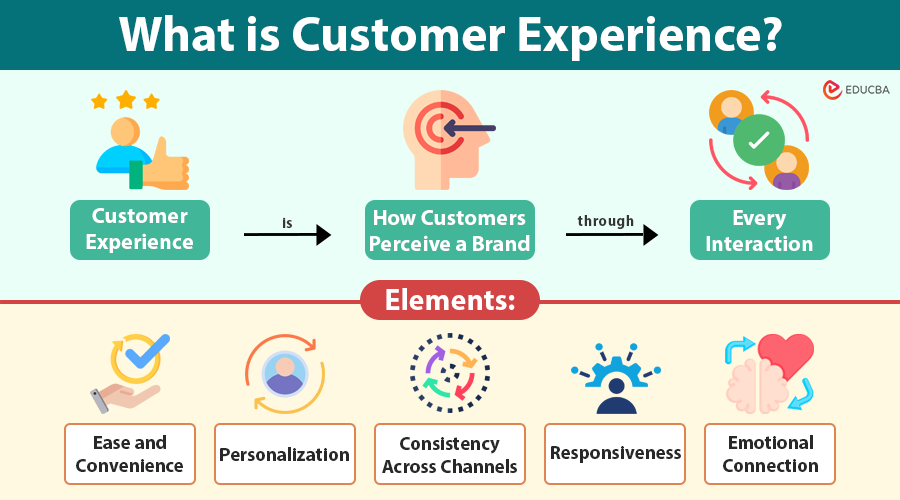
Customer experience (CX) encompasses how customers perceive a brand, shaped by all the interactions they encounter from start to finish.
The customer experience begins when they first discover the company, continues through the buying process, and extends into the after-sales service. Every touchpoint, whether browsing a website, contacting support, or receiving a delivery, shapes how customers feel about the brand.
Imagine a customer shopping in an online clothing store. They find the website easy to navigate, quickly locate their size, complete checkout within minutes, and receive their order on time in attractive packaging. Later, when they need to exchange an item, the support team responds promptly and arranges a hassle-free return. This smooth and positive journey builds trust and encourages the customer to shop again.
Table of Contents
- Meaning
- Importance
- Elements
- Strategies
- How to measure?
- Customer Service vs. Customer Experience
- Examples
- Future
Key Takeaways
- Customer experience is essential because it shapes how customers perceive and interact with a brand, influencing loyalty, revenue, and advocacy.
- Great customer experience depends on elements such as ease of use, personalization, consistency across channels, responsiveness, and creating emotional connections.
- Businesses can improve CX by mapping the customer journey, gathering feedback, empowering employees, leveraging technology, and rewarding loyalty.
- Measuring customer experience through metrics such as NPS, CSAT, CES, and retention rates helps identify strengths and areas that need improvement.
- While customer service is an important part of the experience, customer experience covers every touchpoint across the entire customer journey.
- Brands like Amazon, Apple, Zappos, and Starbucks show that investing in CX builds trust, strengthens loyalty, and drives long-term business success.
- The future of CX will be defined by combining advanced technology with genuine human empathy to create personalized and meaningful interactions.
Why Customer Experience Matters?
Customer experience is a key driver of both business growth and how people perceive a brand. When companies focus on delivering excellent experiences, they gain several long-term advantages:
1. Drives Loyalty
Customers remain loyal to brands that simplify their lives and add enjoyment. By offering seamless processes, transparent communication, and tailored experiences, businesses make customers feel recognized and respected. This trust motivates them to stay instead of turning to competitors.
2. Boosts Revenue
Good experiences translate into higher sales. When customers enjoy engaging with a brand, they return more often and spend more each time. A thoughtfully designed journey also opens the door to upselling and cross-selling, boosting overall revenue.
3. Creates Brand Advocates
Customers who are satisfied with their experience often promote the brand themselves. They share their positive interactions with friends, family, and colleagues through social media or personal recommendations, attracting new customers with minimal marketing effort.
4. Reduces Churn
Excellent service prevents customers from leaving. When companies respond quickly to concerns, resolve issues effectively, and show genuine care, customers feel reassured. This commitment reduces the risk of churn and builds stronger long-term relationships.
5. Differentiates Brands
In competitive markets where products and prices appear similar, customer experience becomes the ultimate differentiator. Brands that deliver consistent, memorable, and emotionally engaging experiences stand out, even when competitors offer nearly identical products.
Elements of a Great Customer Experience
A strong customer experience depends on several core elements. When businesses focus on these areas, they build trust and create memorable interactions:
1. Ease and Convenience
Customers value smooth and effortless interactions. Simple navigation, fast checkout, and hassle-free service make them more likely to complete purchases and return in the future. When businesses remove friction, they show respect for customers’ time and effort.
2. Personalization
Tailored recommendations and personalized messages help customers feel recognized and understood. By using data to anticipate needs, companies create experiences that feel unique to each individual. This personal touch builds stronger emotional bonds and increases customer satisfaction.
3. Consistency Across Channels
Customers anticipate a consistent level of quality and communication, whether interacting with a brand via social media, apps, websites, or in physical stores. Delivering uniform experiences across all channels builds trust and reinforces the brand’s credibility and identity.
4. Responsiveness
Quick resolutions and proactive communication build confidence. Customers appreciate it when companies address their concerns without delay and keep them informed along the way. A responsive approach turns potential frustrations into opportunities to make a positive impression.
5. Emotional Connection
Customers remember how a brand makes them feel more than the details of a product or service. When businesses connect emotionally through empathy, storytelling, or thoughtful gestures, they create loyalty that lasts beyond individual transactions.
Strategies to Improve Customer Experience
Businesses can strengthen customer experience by adopting practical and customer-focused strategies. Each approach helps build smoother, more engaging, and more memorable journeys:
1. Map the Customer Journey
Companies that map the customer journey identify pain points and remove friction at every stage. By analyzing how customers interact from awareness to purchase and post-sale service, businesses gain a clear view of where experiences break down. This insight enables them to streamline processes and enhance touchpoints.
2. Gather Feedback Regularly
Feedback gives businesses direct access to customer opinions. Encouraging reviews, running surveys, and listening actively to concerns help companies spot improvement areas. Acting on feedback shows customers that their voices matter, which strengthens trust and loyalty.
3. Empower Employees
Employees play a critical role in shaping experiences. Businesses that train staff to handle queries with empathy and confidence create positive interactions. When employees feel supported and empowered, they provide faster, more thoughtful service that customers appreciate.
4. Use Technology Wisely
Technology enhances personalization when used effectively. AI chatbots, CRM tools, and automation allow companies to respond quickly, predict needs, and tailor experiences. However, businesses must balance automation with a human touch to avoid making interactions feel cold or robotic.
5. Reward Loyalty
Loyalty programs and special offers help retain customers. By providing discounts, points, or exclusive perks for repeat purchases, businesses demonstrate appreciation for long-term relationships. These rewards not only keep existing customers but also encourage them to engage more often.
How to Measure Customer Experience?
Companies cannot enhance what they fail to measure. Monitoring customer experience using key metrics offers valuable insights into successful areas and highlights where improvements are needed.
1. Net Promoter Score (NPS)
Net Promoter Score (NPS) gauges how likely customers are to recommend a brand to others. A high NPS indicates strong loyalty and advocacy, while a low score points to dissatisfaction. Tracking NPS over time helps businesses assess whether they are fostering long-term customer relationships.
2. Customer Satisfaction Score (CSAT)
CSAT captures how satisfied customers feel after specific interactions, such as a purchase or a support call. By asking simple rating questions, businesses can quickly gauge immediate reactions. Consistently high CSAT scores reflect strong service quality.
3. Customer Effort Score (CES)
CES indicates how easy or difficult it was for customers to complete an action, such as making a payment or resolving an issue. A low-effort experience increases satisfaction and reduces frustration. Companies that focus on reducing effort create smoother journeys.
4. Retention and Churn Rates
Retention rates show how many customers stay over time, while churn rates reveal how many leave. High retention and low churn signal a strong customer experience. By analyzing these trends, businesses can identify patterns and address weaknesses before losing more customers.
5. Turning Insights Into Action
Measuring CX is valuable only when businesses act on the results. By reviewing these metrics, identifying patterns, and implementing targeted improvements, companies strengthen their ability to deliver consistently positive experiences.
Difference Between Customer Service and Customer Experience
| Aspect | Customer Service | Customer Experience |
| Definition | Direct support a company provides when customers need help. | The entire journey a customer has with a brand across all touchpoints. |
| Scope | Focuses on specific interactions, usually problem-solving. | Encompasses every stage, from marketing to post-purchase support. |
| Examples | Resolving a billing issue, answering a query, handling a return. | Website usability, product quality, delivery experience, emotional connection. |
| Objective | Solve customer problems quickly and effectively. | Create seamless, engaging, and memorable experiences that build loyalty. |
| Role in Business | Acts as one component of customer experience. | Represents the broader perception customers form about the brand. |
In short: Customer service is one part of customer experience, while customer experience includes every interaction customers have with a brand.
Real-Life Examples
- Amazon delights customers with one-click shopping, fast delivery, and easy returns.
- Apple integrates its devices, software, and support to create a seamless ecosystem.
- Zappos earns loyalty by going above and beyond in customer service, even sending surprise gifts.
- Starbucks personalizes the experience through its rewards app and consistent store atmosphere.
These brands prove that investing in CX creates loyal customers and strong market positions.
Future of Customer Experience
Customer experience will advance by combining cutting-edge technology with authentic human empathy. Companies that integrate innovation while preserving a personal touch will distinguish themselves in the market.
1. Personalization at Scale
Artificial intelligence, predictive analytics, and automation will allow companies to personalize interactions for millions of customers simultaneously. Brands will anticipate needs, recommend products, and deliver tailored experiences faster than ever before.
2. Immersive Shopping
Virtual reality (VR) and augmented reality (AR) will revolutionize the shopping experience for customers. From trying on clothes virtually to previewing furniture in their homes, customers will interact with products in ways that feel more engaging and realistic.
3. Smarter Assistance
Voice assistants and AI-driven chatbots will simplify customer journeys by answering questions instantly, guiding decisions, and resolving issues on demand. These tools will make interactions more convenient and accessible.
4. The Human Factor
Despite these advancements, human connection will remain vital. Customers will continue to value empathy, trust, and genuine care, qualities that no algorithm can fully replace. Businesses that empower employees to combine empathy with technology will build stronger loyalty.
5. The Winning Balance
Brands that strike the right balance between innovation and authenticity will lead the market. They will deliver convenience and personalization through technology while ensuring customers feel valued and understood through human interaction.
Final Thoughts
Customer experience refers to how customers perceive and interact with a brand. Brands that deliver seamless, personalized, and consistent experiences build loyalty, drive revenue, and create advocates. In a competitive market, CX becomes the key differentiator. By combining technology with genuine human empathy, businesses can exceed expectations, foster trust, and ensure long-term success.
Frequently Asked Questions (FAQ’s)
Q1. How does customer experience impact brand reputation?
Answer: A positive customer experience enhances a brand’s reputation by building trust and credibility, while poor experiences can damage public perception and discourage potential customers.
Q2. What role does social media play in customer experience?
Answer: Social media allows brands to engage with customers in real time, respond to queries, gather feedback, and showcase their personality, making it a crucial touchpoint in the overall customer journey.
Q3. How can companies utilize data to enhance the customer experience?
Answer: By analyzing customer behavior, feedback, and purchase patterns, companies can personalize interactions, predict needs, and identify areas of improvement, creating a more satisfying experience.
Recommended Articles
We hope this guide on customer experience was helpful. Explore related articles on customer service strategies, loyalty programs, and personalization techniques to gain deeper insights into creating memorable interactions and building stronger connections with your audience.

