


What is Creative Advertising?
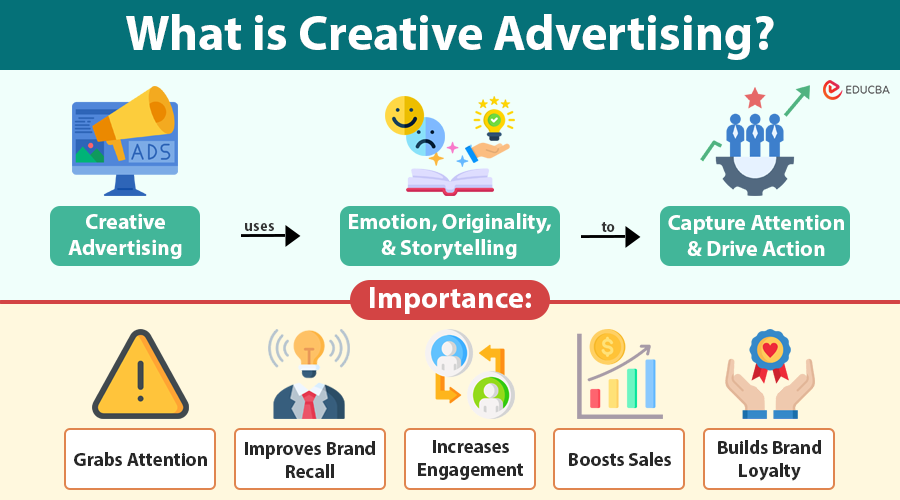
Creative advertising involves crafting unique, emotionally engaging, and memorable ad content that grabs attention, influences perception, and drives action.
Unlike standard ads, creative advertising blends storytelling, visual appeal, originality, and strategy to leave a lasting impact on the audience.
Dove’s “Real Beauty Sketches” campaign went beyond traditional advertising by initiating a global dialogue on self-esteem and body image, fostering a strong emotional connection with viewers.
Table of Contents
- Meaning
- Core Principles
- Importance
- Key Features
- Formats & Channels
- Important Metrics
- What Creative Ads Include?
- Examples
- Tips
- 2025 Trends
Key Takeaways
- Creative advertising combines emotion, originality, and strategy to craft campaigns that go beyond promotion and deeply connect with audiences.
- Emotionally driven storytelling enhances brand engagement and loyalty by creating meaningful, lasting impressions that resonate with viewers, fostering a deeper connection.
- Clear, simple, and relevant messaging is essential to ensure that even the most creative ideas are understood and appreciated by the target audience.
- Effective creative campaigns adapt seamlessly across formats and platforms, including video, social media, print, and experiential channels.
- Emerging trends, such as AI-driven personalization and short-form video content, are shaping the future of creative advertising in 2025 and beyond.
Core Principles of Creative Advertising
Creative advertising thrives when it adheres to key foundational principles that enable brands to build meaningful connections with their audience. These principles ensure the campaign grabs attention while making a lasting impact.
1. Originality
Creative ads stand out because they break away from clichés and predictable formats. They introduce fresh concepts, visual styles, or narratives that surprise the audience and generate curiosity.
2. Relevance
For an ad to resonate, it must speak directly to the audience’s current needs, cultural context, and emotional landscape. Relevance ensures the message feels personal and timely.
3. Emotional Impact
Emotionally charged ads trigger feelings that linger in the audience’s mind, whether it is joy, nostalgia, pride, or even empathy. Emotional engagement drives brand recall and fosters loyalty.
4. Clarity
Even the most creative idea fails if the audience can not quickly grasp the message. Clear storytelling, focused messaging, and strong visuals ensure the idea remains clear and concise throughout the execution.
5. Consistency
Maintaining a unified tone, message, and brand identity across all platforms reinforces the campaign’s effectiveness. It ensures the audience builds recognition and trust over time.
Importance of Creative Advertising
Creative advertising does more than promote a product; it shapes perception, builds emotional connections, and drives business results.
1. Grabs Attention
Creative ads help break through the noise of a saturated media environment. Unique visuals, storytelling, and concepts instantly capture audience interest, making the brand stand out.
2. Improves Brand Recall
Memorable and imaginative content sticks in consumers’ minds. When people remember your ad, they are more likely to remember your brand when it’s time to make a purchase.
3. Increases Engagement
Creative advertising encourages viewers to interact, whether through likes, shares, comments, or clicks. Engaging content builds deeper connections and drives higher interaction rates.
4. Boosts Sales
When an ad resonates emotionally or entertains, it increases the likelihood of conversion. Well-executed creative campaigns influence purchase behavior and drive revenue growth.
5. Builds Brand Loyalty
Sharing emotionally meaningful stories helps foster trust and strengthens the relationship between a brand and its audience. When individuals feel a personal connection, they are more inclined to remain loyal and engage with the brand over time.
Key Features of Creative Advertising
Effective creative advertising combines emotional depth, visual impact, and strategic messaging to connect with audiences across various platforms.
1. Storytelling Approach
Rather than merely listing product features, creative ads employ compelling narratives that engage the audience and foster emotional resonance.
2. Emotionally Charged Messaging
Great ads tap into emotions like joy, nostalgia, pride, or empathy to create deeper and more memorable connections.
3. Visually Appealing Design
High-quality visuals, color schemes, animations, and layouts effectively capture attention and convey messages quickly and clearly.
4. Witty or Thoughtful Copywriting
Clever, insightful, or meaningful text enhances the impact of the visuals and reinforces the brand’s voice, making it more effective.
5. Strong Call to Action (CTA)
Creative ads guide the audience on what to do next, whether it is visiting a website, making a purchase, or sharing the content.
6. Cultural or Social Relevance
Ads that reflect current events, cultural norms, or societal issues feel timely and relatable, thereby increasing their effectiveness.
7. Multi-platform Flexibility
Strong creative ideas translate well across multiple channels, TV, social media, print, and digital, without losing their impact or clarity.
Key Formats and Channels
|
Format |
Channels |
|
Video Ads |
Television, YouTube, Reels, TikTok |
|
Social Media Posts |
Instagram, Facebook, LinkedIn, X (formerly Twitter) |
|
Print Media |
Magazines, Newspapers, Flyers |
|
Out-of-Home (OOH) |
Billboards, Transit Ads, Installations |
|
Audio Ads |
Podcasts, Radio, Streaming Platforms |
|
Interactive & Experiential |
AR/VR Experiences, Events, Pop-ups |
Metrics That Matter
|
Objective |
Metric |
|
Awareness |
Reach, Impressions, Ad Recall |
|
Engagement |
Likes, Shares, Comments, Video Watch Time |
|
Conversions |
Sales, Sign-ups, Downloads |
|
Loyalty |
Repeat Purchases, Net Promoter Score (NPS) |
|
Virality |
Organic Shares, User-Generated Content (UGC) |
What Do Creative Ads Include?
Creative ads are built from a combination of visual, emotional, and strategic elements that work together to inform, entertain, and inspire the audience.
1. Bold Visuals
Striking images, dynamic layouts, or animations instantly grab attention and create visual impact.
2. Smart and Strategic Copy
Every word is purposeful, whether it is witty, emotional, or persuasive; the copy reinforces the message and brand voice.
3. Emotional Hooks
Powerful emotions, such as joy, nostalgia, or empathy, help form a deeper, more memorable connection with the audience.
4. Compelling Narrative Flow
An engaging structure with a clear beginning, conflict, and resolution keeps the viewer interested and leads to a satisfying payoff.
5. Consistent Branding Elements
Logos, color palettes, taglines, and tone ensure that the ad aligns with the brand’s identity across platforms.
6. Interactive or Shareable Elements
Polls, hashtags, AR filters, or challenges invite participation and help spread the ad organically.
7. Cultural Context or Humor
Relevant cultural references or lighthearted moments make ads more relatable and enjoyable to diverse audiences.
These elements work together to form a compelling narrative that not only informs but also entertains or inspires.
Real-Life Examples
1. Nike – “You Can’t Stop Us”
A seamless split-screen video featuring athletes from diverse backgrounds, promoting unity and perseverance.
2. Cadbury India – “Kuch Meetha Ho Jaaye”
Taps into the cultural habit of celebrating moments—big or small—with sweets, making chocolate a part of daily joy.
3. Old Spice – “The Man Your Man Could Smell Like”
Used absurd humor and fast cuts to break male grooming stereotypes and capture a younger audience.
4. Spotify – “Wrapped” Campaign
Personalized year-end summaries that encouraged users to share their listening habits, fueling viral social engagement.
Tips for Effective Creative Advertising
Great creative campaigns strike a balance between originality and audience understanding. Use these tips to guide your strategy:
- Know Your Audience: Research your target audience’s preferences, behaviors, values, and emotional triggers to tailor your message effectively.
- Start with Insight: Build your creative idea around a relatable human truth or tension.
- Keep It Simple but Surprising: Focus on one clear message, then add a creative or unexpected twist.
- Tell a Story, Not Just Features: Use storytelling to engage emotionally rather than listing product specs.
- Integrate Branding Naturally: Showcase your brand in a way that feels seamless and authentic within the content.
- Test Before Launching: A/B test your creatives to understand what resonates with your audience before rolling out the full campaign.
Trends Shaping Creative Advertising in 2025
The future of advertising is blending technology, personalization, and purpose-driven messaging to create deeper brand experiences. Key trends include:
- AI-Powered Personalization: Use artificial intelligence to customize advertising content instantly, adapting it to each user’s behavior and preferences.
- Short-Form Video Dominance: Platforms like Instagram Reels, TikTok, and YouTube Shorts are leading the way in engagement, making concise, punchy video content more essential than ever.
- AR/VR Integration: Immersive experiences such as virtual try-ons or 3D product demos are transforming how consumers interact with brands.
- Cause-Based Campaigns: Purpose-driven messaging that aligns with social, environmental, or cultural values resonates strongly, especially with Gen Z and millennial audiences.
- Data-Driven Creativity: Analytics and consumer insights now shape not only media strategy but also the creative direction of campaigns for greater impact.
- Voice and Audio Branding: With the rise of voice assistants and podcasts, sonic branding elements such as jingles, brand sounds, or voice-driven ads are gaining importance.
Final Thoughts
Creative advertising goes beyond promotion; it builds emotional connections, captures attention, and drives lasting impact. In 2025, the brands that thrive will be those that combine originality, relevance, and innovation to connect meaningfully with their audience. It is not just about being seen, it is about being remembered.
Frequently Asked Questions (FAQ’s)
Q1. How is creative advertising different from traditional advertising?
Answer: While traditional advertising often focuses on straightforward product promotion, creative advertising emphasizes originality, emotional storytelling, and audience engagement to leave a lasting impression.
Q2. Who is responsible for creating a creative ad campaign?
Answer: Creative ad campaigns typically involve a collaborative team that includes copywriters, art directors, graphic designers, brand strategists, and digital marketers, often led by a creative director.
Q3. What is the budget range for a creative advertising campaign?
Answer: Budgets vary widely based on format, scope, and platform. A digital-only campaign may cost a few thousand dollars, while a large multi-platform campaign can run into millions.
Q4. What role does psychology play in creative advertising?
Answer: A major one. Understanding cognitive biases, emotional triggers, and decision-making patterns enables the crafting of messages that influence audience perception and behavior.
Recommended Articles
We hope this comprehensive guide to Creative Advertising has helped you understand its principles, impact, and evolving trends. Explore these recommended articles for more insights into branding strategy, emotional marketing, and the future of digital advertising.

