


Introduction
Have you ever felt like you are throwing money into a hole when running ads? I have been there, so you are not alone. Getting people to stop scrolling and actually look at your ads is becoming difficult. Tools like AI ad generators are now easily accessible, and everyone has become a content creator. But do not worry. This guide to creating engaging ads is written for you. If you’re ready to make your ads impossible to ignore, keep reading.
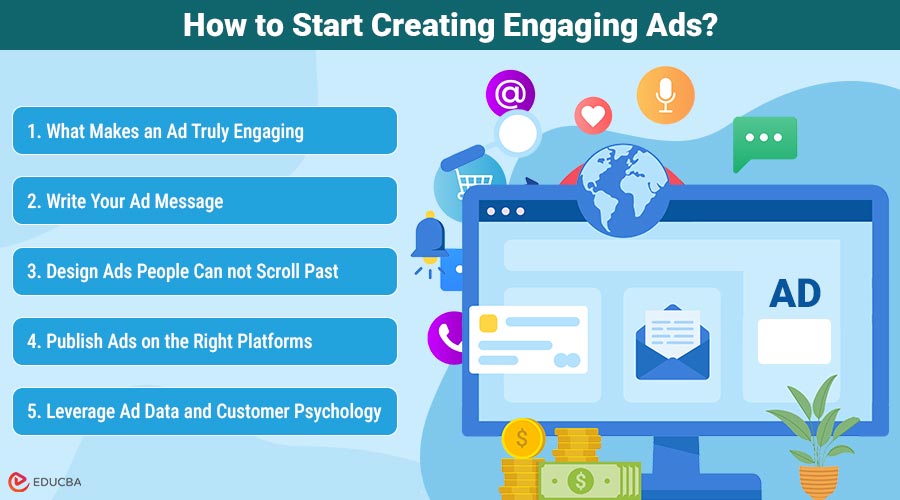
How to Start Creating Engaging Ads?
Follow these essential steps to create ads that capture attention and drive real results.
1. What Makes an Ad Truly Engaging
You might expect the first step to be selecting graphic design tools or brainstorming headlines. Nope! The journey to creating great ads starts by understanding what actually makes an ad good enough to stop people from scrolling.
Great ads speak directly to the intended audience. They trigger emotions like curiosity, excitement, or a touch of FOMO (fear of missing out). And most importantly, they tell a story your audience can relate to.
Whether it is a social media banner or a simple Google text ad, the principle is to connect before you convert. No matter the kind of ad you are running, your audience comes first. You should know their pain points. This will help you tailor every visual and word to them. Before you sell your product, make sure your ad sparks emotion and connection with the target audience.
2. Write Your Ad Message
Your ad is like an elevator pitch. It should be straight to the point and impossible to ignore. The ad message should mention a problem, present your product as the solution, and end with a call to action. Also, clarity should be your guide to creating engaging ads. This means removing jargon, claims, or anything that makes it difficult to understand your message. Instead, use an active voice and words that relate to your audience’s lifestyle.
Another method you can use is storytelling. You will describe a problem situation and demonstrate how your product or service provided the solution. Finally, add a bit of intrigue to your ads. If you have many product features, you can publish a product roadmap so people can see them. But when it comes to ads, do not spill everything. Make it in such a way that the viewer will be so interested and want to learn more. Engaging ads use short, emotional messages. They focus on what matters most to your audience.
3. Design Ads People Can not Scroll Past
A great ad copy without excellent visuals will not draw attention. When designing creative ads, the visual layout, color palette, typography, and imagery must work together to create an immediate impact.
You can use contrasting colors, text sizes, or shapes to draw the viewer’s eye. Then use colors that match your brand and evoke the emotion you want. For instance, red for urgency and green for growth. Another thing to note is the use of high-quality images and videos. No one will engage with ads that feature blurry stock photos.
Meanwhile, short videos can increase sales and conversions by 80%. You can use them on platforms like Instagram or TikTok.Your visuals should not repel your target audience. Ensure they are high-quality, consistent, and emotionally appealing through your color choices.
4. Publish Ads on the Right Platforms
Your ad can flop if it shows in the wrong place. That is why it is important to select the right channels and tailor your content to meet each platform’s requirements. For instance, Instagram supports 15-30 second videos for optimum engagement, while photo ads should be in square format. When considering audience behavior, Facebook and Instagram users prefer visuals, while LinkedIn rewards professional content. Google Ads favors concise content. However, TikTok and YouTube rely heavily on storytelling and authenticity. One ad does not fit all. So, make sure you customize your message and format.
Also, consider where your audience is in their buying journey. For someone who is still learning about your company, storytelling ads will look appealing. However, a customer in the decision stage will appreciate a free trial to test your product or service. Frequency and timing of your ads are equally important. If people see your ad too many times, it can cause fatigue. But too little exposure means missed opportunities. Your audience will not be able to recall your brand. And when they are ready to buy, they will go for another brand.
Remember the 3Rs: right ad, right place, and right time. Always adapt your content to the platform and audience for maximum engagement.
5. Leverage Ad Data and Customer Psychology
Every guide to creating engaging ads highlights testing, like A/B testing, which compares two ad versions to see which headlines, visuals, or CTAs perform best. Tracking metrics such as CTR, conversion cost, and engagement helps optimize targeting, timing, and creative elements.
Additionally, customer psychology plays a huge role in ad performance. You can use scarcity (“Ending Soon”), benefits (“Get a free trial”), or social proof (“Join the millions who use Headspace every day”). Each method uses the natural human behavior patterns that motivate action. But make sure your copy is not misleading, which is the number one trait of an effective ad copy. Test, measure, and optimize ads until they start converting views to sales. Also, use testimonials, exclusive offers, and free trials to drive engagement.
Common Mistakes to Avoid When Creating Ads
- Many beginners ignore audience research, overload ads with visuals and text, or skip the A/B tests.
- Another common mistake is attempting to appeal to everyone. This will make your ad feel unrelatable. If it is not tailored for a specific audience, then it is for nobody.
- As a beginner, you may want to jump on trends. However, today’s viral content may not align with your brand tomorrow. I recommend using consistent brand messaging so your audience can easily recognize your ad.
- Lastly, your landing page should match the ad’s promise. If users click but do not find what they expected, you lose their trust and conversions.
- Do not jump the gun. Ensure to follow the due process. Know your audience, use quality visuals, and always test ads.
Final Thoughts
At this point, you can probably see that great ads require strategy. Your message should be creative and data-based. Also, use a bit of human psychology to entice customers to click on your ads. Every step discussed in this post will help you build engaging ads. However, when applying this guide to creating engaging ads, start small. Pick one platform, test a few ad variations, and study what performs best. Over time, you will know what engages your audience most. You will never really finish learning how to make great ads, and that is a good thing. So, keep testing and tweaking until you find what works.
Frequently Asked Questions
1. What are the 5 M’s of advertising?
Answer:- The 5 M’s stand for:
- Mission
- Money
- Message
- Media
- Measurement
They represent the key areas every advertiser must plan. These include objectives, budget, creative ideas, delivery channel, and performance tracking.
2. Is $10 a day enough for Google Ads?
Answer:- Yes, $10 a day can be enough for Google Ads, especially when testing or launching small campaigns. You’ll focus on a narrow audience, specific keywords, and one marketing goal to make the most of your budget.
3. How to create a catchy ad?
Answer:- Follow these steps to create a catchy ad:
- Start with a hook
- Use high-quality visuals and benefit-focused copy
- Keep it short, relatable, and memorable
- Add a simple call to action
Recommended Articles
We hope this guide on creating engaging ads helped you learn how to craft ads that capture attention and drive clicks. Explore more marketing tips below:


