


How Much Does it Cost to Wrap a Car?
Vehicle wraps have become increasingly popular for both personal customization and commercial branding. From matte black finishes to full graphic designs, wrapping a car lets you change a vehicle’s appearance without permanently altering the original paint. But before starting a project, many drivers ask the same question: how much does it cost to wrap a car?
The cost of wrapping varies by wrap type, vehicle size, and installation complexity. Understanding these factors helps car owners determine whether a wrap fits their budget and aligns with their goals. This guide explains typical wrap pricing, what affects the cost, and when professional preparation and installation are worth considering.
Average Cost to Wrap a Car
The price of a vehicle wrap typically depends on the total surface area that needs to be covered and the type of vinyl used.
1. Typical Price Range
For most vehicles, a professional full wrap generally falls within the following range:
- $2,500 to $6,000 for standard installations
- $6,000 to $10,000 or more for specialty materials or large vehicles
High-end vinyl finishes and complex designs can drive up the price.
2. Cost by Vehicle Type
Different vehicles require different amounts of material and installation time.
- Compact Cars and Sedans: Smaller vehicles typically cost less to wrap because they require less vinyl material. Most compact cars and sedans fall in the $2,500 to $3,800 range.
- SUVs and Trucks: Larger vehicles require more vinyl and additional labor due to the larger surface area. Wraps for SUVs and trucks typically range between $3,500 and $6,500 or more.
- Luxury or Exotic Vehicles: Luxury vehicles often require more detailed installation work due to complex body lines, vents, and trim components. This additional labor can increase the total project cost.
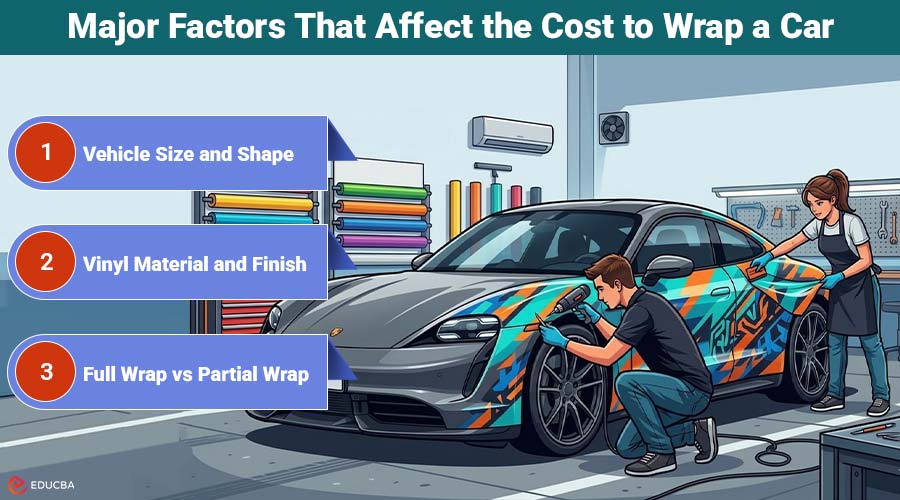
Major Factors That Affect the Cost to Wrap a Car
Several factors influence the final cost of a vehicle wrap.
1. Vehicle Size and Shape
The size and shape of the vehicle directly influence the cost. Larger vehicles require more vinyl material and longer installation times. Vehicles with complex curves, body contours, or intricate trim pieces may also require additional installation work.
2. Vinyl Material and Finish
Vinyl wraps are available in many colors and finishes, and the material you choose can significantly impact the cost to wrap a car.
Standard Vinyl Finishes
Most standard wraps use finishes such as:
- Gloss
- Matte
- Satin
These finishes offer a clean appearance and usually fall on the lower end of the price range.
Specialty Vinyl Finishes
Premium vinyl options include:
- Chrome finishes
- Carbon fiber textures
- Color-shifting films
- Metallic wraps
These materials often cost significantly more than standard vinyl due to their specialized manufacturing and installation requirements.
3. Full Wrap vs Partial Wrap
Not all vehicle wraps cover the entire car.
- Full Vehicle Wrap: A full wrap covers nearly every visible panel on the vehicle. This option offers the most dramatic visual transformation and full paint protection.
- Partial Wrap: Partial wraps cover only specific areas such as the hood, roof, or side panels. Businesses often use partial wraps for branding, while car owners may use them for accent styling. Partial wraps can reduce costs substantially and typically range from $900 to $2,000, depending on coverage.
Surface Preparation and Repairs
Before installing vinyl, the vehicle surface must be smooth and free from damage. Vinyl adheres best to clean, undamaged paint. Dents, scratches, and chipped paint can affect how well the wrap adheres and how smooth it appears once installed. Because of this, collision repair shops such as Relux Collision may perform surface preparation or minor repairs to ensure the vehicle is ready for a wrap installation. Proper preparation helps prevent imperfections from showing through the vinyl.
Car Wrap vs Paint: Which is More Cost-Effective?
Many drivers compare vinyl wraps with repainting when deciding how to update their vehicle’s appearance.
Cost Comparison
A professional paint job typically costs:
- $4,000 to $15,000 or more, depending on paint quality and the level of preparation work.
A vinyl wrap, by comparison, usually costs:
- $2,500 to $6,000 for most vehicles.
Because wraps are generally less expensive and reversible, they have become a popular alternative to repainting.
Protection Benefits
Vinyl wraps also provide protective benefits. The vinyl layer shields the original paint from minor scratches, UV exposure, and road debris. If you remove the wrap later, the original paint often remains in good condition.
How Long Does a Car Wrap Last?
Manufacturers design vehicle wraps to last several years with proper care.
Average Lifespan
Most high-quality wraps last 5 to 7 years, depending on driving conditions and maintenance. Vehicles frequently exposed to intense sunlight may experience faster wear.
Maintenance Tips
To extend the lifespan of a wrap:
- Hand wash the vehicle instead of automatic car washes.
- Avoid harsh chemicals or abrasive cleaning tools
- Park in shaded areas when possible
Proper care helps preserve the vinyl finish and color.
When is Professional Wrap Installation Worth It?
While DIY wrap kits exist, professional installation often produces significantly better results.
- Precision Installation: Professional installers use specialized tools to avoid air bubbles, wrinkles, and uneven edges. This level of precision is difficult to achieve without experience.
- Complex Vehicle Designs: Vehicles with detailed bodywork, curves, or unique trim pieces require careful vinyl stretching and trimming. Professional installation ensures the wrap conforms properly to these surfaces. Professional installers rely on properly prepared surfaces to achieve the best results.
Auto body specialists, such as Relux Collision, assist with surface preparation and finishing to ensure the vehicle is in optimal condition before wrapping.
Additional Costs to Consider
Beyond the basic wrap installation, several optional upgrades may increase the total project cost.
- Custom Graphic Design: Businesses often add custom graphics or logos to their vehicle wraps. Designing and printing these graphics may involve additional design fees.
- Removal of Old Wraps: If a vehicle already has an existing wrap, removing it safely requires labor and specialized techniques.
- Interior Trim or Accent Wraps: Some owners extend the wrap to interior accents such as dashboards or door trim, which adds extra cost but enhances the overall aesthetic.
Tips for Saving Money on a Car Wrap
If you want to wrap your car without exceeding your budget, several strategies can help.
- Choose standard vinyl finishes rather than specialty materials
- Consider partial wraps instead of full vehicle coverage
- Work with experienced installers to avoid costly mistakes
- Maintain the wrap properly to extend its lifespan
Planning the project carefully helps ensure you get the best value for your investment.
Final Thoughts
So, what is the cost to wrap a car? In most cases, a professional wrap will cost between $2,500 and $6,000, though premium materials and larger vehicles can increase the total price. Vehicle wraps offer a flexible way to customize a car’s look while protecting the original paint. By understanding the factors that influence wrap pricing, including materials, vehicle size, and installation quality, car owners can make more informed decisions about whether wrapping their vehicle is the right option.
Recommended Articles
We hope this guide on the cost to wrap a car helps you better understand vehicle wrap pricing and installation factors. Check out these recommended articles for more insights and tips on vehicle customization and maintenance.

