


Introduction
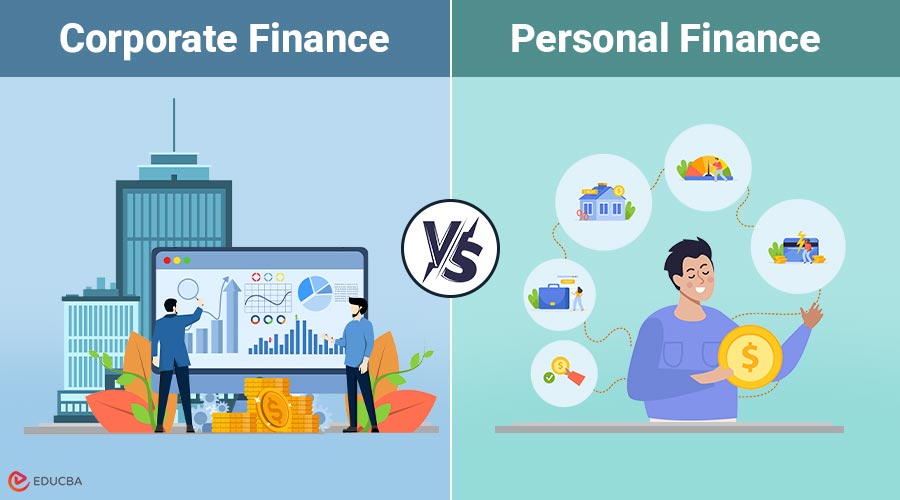
Finance plays a vital role in managing money, investments, and future growth, both for individuals and organizations. Understanding the difference between corporate finance vs personal finance helps in making smarter financial decisions. While corporate finance focuses on optimizing company capital and maximizing shareholder value, personal finance emphasizes budgeting, saving, and wealth creation. Grasping both concepts ensures better control over financial stability and long-term success.
Table of Content:
- Introduction
- What is Corporate Finance?
- Major Areas of Corporate Finance
- Objective of Corporate Finance
- What is Personal Finance?
- Major Areas of Personal Finance
- Objective of Personal Finance
- Key Differences
- Similarities Between Both
What is Corporate Finance?
Corporate finance is a part of finance that focuses on how businesses handle their money, investments, and sources of funding. It focuses on making financial decisions that help a business grow and increase its value. In simple terms, corporate finance involves planning, raising, and using funds efficiently to achieve company goals and maximize shareholder wealth.
Major Areas of Corporate Finance
Corporate finance encompasses several key areas that enable businesses to manage their finances effectively and grow sustainably. The major areas include:
- Capital Budgeting: This process involves planning and evaluating investment opportunities, such as purchasing new equipment, expanding operations, or launching a new project. It helps companies decide where to invest money for the best returns.
- Capital Structure: This area focuses on how a company finances its operations, balancing debt (such as loans and bonds) and equity (such as shares and retained earnings). Choosing the right mix is crucial to minimizing costs and maximizing value.
- Working Capital Management: This involves managing short-term assets and liabilities, like cash, inventory, and accounts receivable. Efficient working capital ensures the company can meet daily expenses and avoid financial problems.
- Financial Risk Management: Companies assess and manage risks related to market fluctuations, interest rates, and investments to protect their financial health.
- Dividend Policy Decisions: Deciding how much profit to reinvest in the business versus distribute to shareholders is crucial for long-term growth and shareholder satisfaction.
Objective of Corporate Finance
The goal of corporate finance is to use a company’s financial resources wisely to promote growth, stability, and value. The main objectives include:
- Maximizing Shareholder Wealth: The primary objective is to enhance the company’s value for its owners by making profitable investments and strategic financial decisions.
- Efficient Capital Allocation: Corporate finance ensures that funds are invested in the most productive areas, striking a balance between short-term needs and long-term growth.
- Maintaining Financial Stability: Effective financial planning and risk management enable the company to remain stable during economic fluctuations and market uncertainties.
- Optimizing Capital Structure: Deciding the right mix of debt and equity minimizes costs and enhances profitability.
- Ensuring Liquidity: Corporate finance ensures the company has sufficient cash to meet its daily expenses, pay debts, and capitalize on opportunities quickly.
By focusing on these objectives, corporate finance enables a business to grow sustainably while protecting the interests of both shareholders and stakeholders.
What is Personal Finance?
Personal finance is the management of an individual’s or family’s money, including income, expenses, savings, and investments. In simple terms, it is about managing and organizing finances to reach personal objectives, like purchasing a house, paying for education, or saving for retirement. Effective personal finance ensures financial security, helps build wealth, and reduces money-related stress.
Major Areas of Personal Finance
Personal finance encompasses several key areas that enable individuals to manage their money effectively and achieve their financial goals. The major areas include:
- Budgeting: Monitoring income and expenses to make sure spending stays in line with financial objectives. A proper budget helps avoid debt and saves money for future needs.
- Saving and Investing: Saving money for emergencies and future goals while investing in stocks, bonds, or mutual funds to build wealth over time.
- Insurance and Risk Management: Protecting against unexpected events, such as illness, accidents, or property loss, through health, life, or property insurance.
- Retirement Planning: Preparing financially for retirement by contributing to pension plans, retirement accounts, or other investment options to secure a comfortable future.
- Debt Management: Using loans, credit cards, and other debts wisely to prevent high-interest charges and keep a good credit score.
Objective of Personal Finance
The main objective of personal finance is to manage an individual’s or family’s money effectively to achieve financial security, meet goals, and build wealth. Key objectives include:
- Financial Security: Ensuring sufficient funds are available for daily expenses, emergencies, and unexpected events to avoid financial stress.
- Wealth Creation: Making wise investment decisions to grow savings over time and achieve financial goals, such as buying a house or funding education.
- Debt Management: Controlling and reducing debts like loans or credit cards to maintain financial stability and avoid high-interest burdens.
- Retirement Planning: Preparing for a financially secure life after retirement by contributing to retirement accounts, pensions, or other long-term savings plans.
- Goal Achievement: Planning and saving for short-term and long-term objectives, such as vacations, education, or starting a business.
- Risk Management: Protecting oneself and family through insurance against illness, accidents, or unforeseen financial losses.
By focusing on these objectives, personal finance ensures stability, growth, and financial independence.
Key Differences Between Corporate vs Personal Finance
| Aspect | Corporate Finance | Personal Finance |
| Objective | Focuses on maximizing shareholder wealth and company value. | Focuses on achieving personal financial goals and stability. |
| Decision-Making | Decisions are made by management or financial teams using data and analysis. | Decisions are made by individuals or families based on personal needs and priorities. |
| Risk Management | Deals with business risks, market fluctuations, and investments. | Deals with personal risks like health, property, and income security. |
| Time Horizon | Typically long-term and strategic. | Varies based on life stage and personal goals. |
| Financial Sources | Funds come from equity, debt, and retained earnings. | Funds come from salary, savings, investments, or loans. |
| Complexity | Involves complex financial instruments and corporate laws. | Generally simpler, focusing on budgeting, saving, and investing. |
Similarities Between Corporate and Personal Finance
Despite their differences, corporate finance and personal finance share several key similarities that make financial management essential in both contexts:
- Goal of Efficient Resource Use: Both aim to maximize the effective use of available resources to achieve specific objectives, whether for a company or an individual.
- Planning and Budgeting: Careful planning is crucial in both cases. Corporate finance budgets for projects and operations, while personal finance budgets for expenses and savings.
- Risk Management: Both require assessing risks and taking measures to minimize potential losses, such as insurance in personal finance or hedging in corporate finance.
- Investment Decisions: Both involve evaluating investment opportunities to generate returns. Corporations invest in projects, while individuals invest in stocks, bonds, or property.
- Financial Monitoring: Regular tracking and reviewing of finances is necessary to stay on course, adjust strategies, and ensure financial stability.
These similarities demonstrate that the principles of money management are applicable universally, whether in business or personal life.
Conclusion
Effective financial management is essential for both businesses and individuals to achieve growth, stability, and long-term success. While corporate finance focuses on strategic decisions to maximize company value, personal finance centers on planning and controlling personal wealth. Understanding the strategies, objectives, and practices of each allows better decision-making and financial security. By mastering these concepts, anyone can make informed choices and improve outcomes in corporate finance vs personal finance.
Frequently Asked Questions
1. Can individuals apply corporate finance principles to personal finance?
Answer: Yes, concepts like budgeting, investment evaluation, and risk management can be applied personally.
2. Is corporate finance only relevant for large companies?
Answer: No, small businesses also use corporate finance principles to manage funds and grow.
3. Does personal finance include taxes?
Answer: Yes, managing taxes is a key part of effective personal finance.
4. Can poor personal finance decisions affect a business owner’s company?
Answer: Yes, personal financial mismanagement can impact a business owner’s investment and decision-making.
Recommended Articles
We hope this guide on corporate finance vs personal finance helped you understand key financial concepts. For more finance tips, explore these related articles below:


