
What is Conversational Marketing?
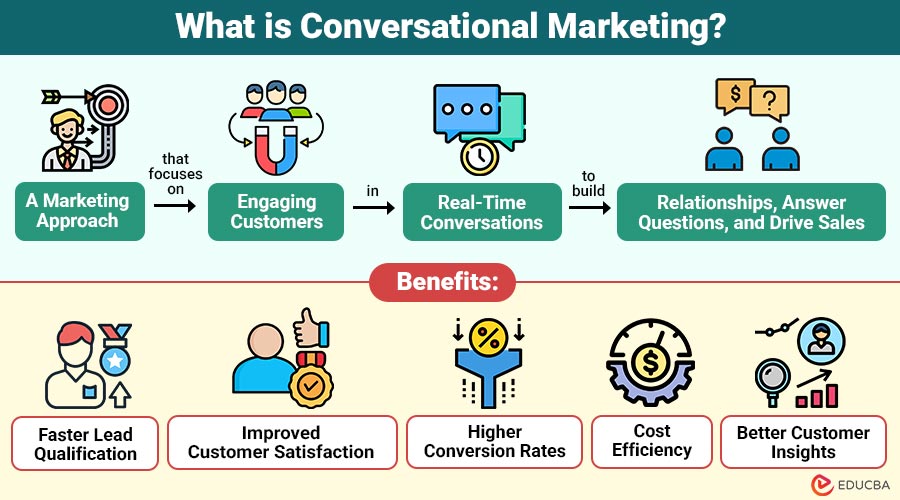
Conversational marketing is marketing approach that focuses on engaging customers in real-time conversations to build relationships, answer questions, and drive sales. Unlike traditional marketing strategies, which rely on static emails, ads, or forms, conversational marketing uses dynamic interactions to create personalized experiences for every customer.
The core idea is simple: instead of waiting for prospects to fill out forms or respond to emails, businesses proactively engage them via live chat, chatbots, messaging apps, or social media. This strategy reduces friction in the buyer’s journey and accelerates decision-making.
Table of Contents:
- Meaning
- Key Components
- Why Conversational Marketing Matters?
- Working
- Key Strategies
- Benefits
- Real-World Examples
- Challenges
- Best Practices
- Future
Key Takeaways:
- Conversational marketing uses real-time, personalized interactions to reduce friction, build trust, and accelerate customer purchase decisions globally.
- AI chatbots and live chat improve lead qualification, response speed, customer satisfaction, and scalable engagement across channels.
- Effective conversational strategies align sales and marketing teams and leverage messaging apps, personalization, and continuous, data-driven optimization.
- Conversational marketing delivers valuable customer insights from real-time interactions, enabling smarter decisions, more targeted marketing, and refined marketing strategies.
Key Components of Conversational Marketing
Here are the key components that work together to create meaningful, real-time, and customer-centric conversational experiences:
1. Live Chat
Live chat enables instant, real-time communication with website visitors, resolving questions quickly while improving engagement, trust, conversions, and customer satisfaction.
2. Chatbots
Chatbots use AI or predefined rules to automate conversations, qualify leads, answer FAQs instantly, and ensure continuous customer support availability.
3. Messaging Apps
Businesses can engage with clients on well-known platforms by using messaging apps, which provide easy, convenient, and customized communication at any time and from any location.
4. Conversational AI
Conversational AI delivers intelligent, human-like interactions using natural language processing, ensuring scalable, personalized experiences across multiple digital channels.
5. Personalization
Personalization tailors messages to user data, behavior, and preferences, delivering relevant conversations that increase engagement, loyalty, and conversions.
Why Conversational Marketing Matters?
Here are the key reasons why conversational marketing plays a important role in modern customer engagement and growth strategies:
1. Reducing Response Time
Conversational marketing delivers instant responses to customer queries, reducing wait times and significantly improving overall satisfaction and brand perception.
2. Improving Lead Conversion
Real-time conversations engage prospects immediately, building trust faster and increasing conversion rates compared to slow, traditional email communication.
3. Enhancing Customer Experience
Personalized, two-way conversations create meaningful interactions that make customers feel understood, valued, and more loyal to the brand.
4. Collecting Valuable Insights
Customer conversations generate real-time insights into preferences, behavior, and pain points, helping businesses refine strategies and improve offerings.
How Does Conversational Marketing Work?
Here is a simple step-by-step breakdown of how conversational marketing guides prospects from first interaction to long-term engagement:
1. Attract Visitors
Content marketing, social media campaigns, and optimized websites attract relevant users to your digital channels organically and through paid visibility.
2. Engage in Real-Time
Live chat or chatbots instantly start conversations when visitors take actions like browsing pages, spending time, or clicking products.
3. Qualify Leads
AI chatbots ask targeted questions about needs, budget, and intent to efficiently and accurately identify high-quality leads.
4. Guide the Customer
Conversational tools deliver personalized recommendations, book demos, answer objections, and share offers to guide prospects toward purchase decisions.
5. Close the Sale
Real-time conversations reduce delays, build trust quickly, and help sales teams close deals faster with immediate responses.
6. Follow-Up and Nurture
Post-purchase conversations via chat and messaging nurture relationships, boost satisfaction, and encourage repeat purchases and long-term loyalty.
Key Strategies for Effective Conversational Marketing
To succeed with conversational marketing, businesses must implement the right strategies:
1. Implement Chatbots with AI
Modern chatbots can simulate human-like conversations, answer common queries, and qualify leads without human intervention. AI chatbots learn from interactions, improving responses over time.
2. Use Personalized Messaging
Personalization increases engagement. For example, greeting a returning visitor by name or recommending products based on previous behavior builds trust.
3. Integrate Messaging Apps
Engage customers where they are. Messaging apps like WhatsApp or Messenger allow businesses to reach users directly on their preferred platforms.
4. Align Sales and Marketing Teams
Conversational marketing requires close coordination between marketing and sales teams. Leads generated through conversations should seamlessly transfer to sales for timely follow-up.
5. Analyze Conversations for Insights
Track engagement metrics, including response rates, common questions, and drop-off points. These insights help refine marketing campaigns and improve customer experience.
Benefits of Conversational Marketing
Conversational marketing offers multiple benefits:
1. Faster Lead Qualification
AI-powered chatbots instantly qualify leads by asking relevant questions, saving sales teams time and improving overall response efficiency.
2. Improved Customer Satisfaction
Real-time conversations deliver immediate answers and support, reducing frustration and improving the customer experience and overall satisfaction.
3. Higher Conversion Rates
Personalized conversational experiences build trust, address objections quickly, and guide prospects to faster, more confident purchase decisions.
4. Cost Efficiency
Chatbots manage multiple customer conversations simultaneously, lowering operational costs and reducing dependency on large support teams.
5. Better Customer Insights
Every interaction generates valuable data on customer preferences, pain points, intent, and behavior, supporting smarter marketing decisions.
Real-World Examples
Here are some well-known brands effectively using conversational marketing to improve engagement, conversions, and customer experience:
1. HubSpot
HubSpot uses AI-powered chatbots to engage website visitors, answer FAQs, and schedule product demos. Their chat system qualifies leads, ensuring sales teams focus on the most promising prospects.
2. Sephora
Sephora leverages conversational marketing on Facebook Messenger to provide beauty advice, product recommendations, and appointment scheduling. The personalized interaction increases both online and in-store sales.
3. Domino’s Pizza
Domino’s “Dom” chatbot allows customers to place orders via voice or text, track deliveries, and get menu recommendations, streamlining the entire ordering process.
Challenges of Conversational Marketing
While effective, conversational marketing comes with challenges:
1. Implementation Complexity
Integrating chatbots and AI tools with existing CRM, analytics, and platforms requires technical expertise, time, and careful planning.
2. Maintaining Human Touch
Excessive automation can feel impersonal; balancing AI efficiency with timely human support is essential for meaningful customer experiences.
3. Data Privacy Concerns
Managing conversational data demands strict compliance with privacy laws such as GDPR, including secure storage, consent, and ethical data use.
4. Constant Monitoring
Chatbots require continuous monitoring, training, and updates to improve accuracy, handle new questions, and avoid outdated responses.
Best Practices for Conversational Marketing
Follow these proven best practices to make sure your conversational marketing efforts remain effective, user-friendly, and conversion-focused:
1. Be Transparent
Clearly inform users when they are chatting with a bot and provide seamless access to human assistance.
2. Use Segmentation
Segment audiences by behavior, location, or intent to deliver more relevant, personalized, and effective conversational experiences.
3. Keep Conversations Short and Relevant
Keep messages concise, focused, and purposeful to avoid overwhelming users and maintain attention throughout the conversation.
4. Test and Optimize
Regularly analyze conversation performance data to refine scripts, improve AI accuracy, and boost engagement rates over time.
Future of Conversational Marketing
Conversational marketing is evolving rapidly with advancements in AI, NLP (Natural Language Processing), and voice assistants. Future trends include:
1. Voice-Based Interactions
Voice assistants like Alexa, Siri, and Google Assistant enable hands-free conversational marketing through natural voice-based customer interactions.
2. Omnichannel Conversations
Brands deliver seamless, consistent conversations across websites, social media, email, messaging apps, and customer support platforms.
3. Predictive Engagement
AI anticipates customer intent and needs proactively, delivering relevant solutions before users actively ask questions.
4. Hyper-Personalization
AI combines behavioral data, preferences, and context to deliver highly personalized conversational experiences at scale.
Final Thoughts
Conversational marketing has become essential in today’s customer-focused landscape. By using real-time conversations, AI chatbots, and personalized messaging, businesses improve customer experience, reduce sales cycles, and increase conversions. As technology advances, conversational marketing will further transform brand–customer relationships. Investing in these strategies helps businesses stay competitive, strengthen engagement, build trust, and drive sustainable long-term growth.
Frequently Asked Questions (FAQs)
Q1. How is conversational marketing different from chatbot marketing?
Answer: Conversational marketing is broader—it includes live chat, AI chatbots, messaging apps, and human interactions, while chatbot marketing focuses solely on automated bots.
Q2. Can small businesses use conversational marketing effectively?
Answer: Absolutely. Tools like chatbots and messaging apps are scalable and cost-effective, and can significantly improve customer engagement for small businesses.
Q3. Does conversational marketing increase sales?
Answer: Yes. Real-time engagement and personalized interactions lead to faster decision-making and higher conversion rates.
Q4. Which industries benefit most from conversational marketing?
Answer: Retail, e-commerce, SaaS, hospitality, and healthcare industries benefit greatly due to high customer interaction and support needs.
Recommended Articles
We hope that this EDUCBA information on “Conversational Marketing” was beneficial to you. You can view EDUCBA’s recommended articles for more information.

