


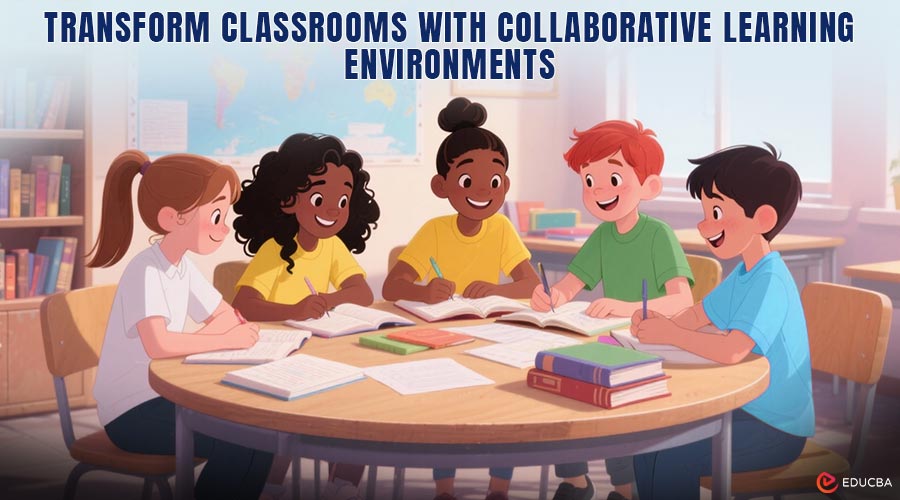
Creating Collaborative Learning Environments for Tomorrow’s Classrooms
As education advances, fostering collaborative learning environments is crucial to equip students for an ever-changing world. These settings help learners develop critical future-ready skills such as teamwork, curiosity, and innovation. For teachers and school leaders looking to enhance their expertise, pursuing a Master’s in Science Education online provides valuable insights into contemporary tools and strategies that support collaboration in modern classrooms.
In these collaborative spaces, students solve problems together, share insights, and connect theoretical knowledge with real-world applications. By integrating technology, flexible classroom design, and intentional teaching strategies, educators can foster active, inclusive learning experiences. Research shows that collaboration whether virtual or in person boosts engagement, comprehension, and personal growth, equipping students with essential skills for both academic and lifelong success.
Key Takeaways
- Collaborative learning environments enhance student engagement and knowledge retention.
- Integrating technology and flexible classroom designs supports dynamic, interactive learning experiences.
- Educators are key to fostering collaboration by carefully planning and effectively using resources to guide student interactions.
The Importance of Collaborative Learning
Collaborative learning enables students to engage meaningfully with one another, thereby strengthening essential life skills such as communication, empathy, and critical thinking. In small-group settings, students learn to value diverse perspectives and approaches, which are vital in the multicultural world. According to Education Week, collaborative learning not only supports academic achievement but also prepares learners to succeed in workplaces that rely on teamwork.
Designing Flexible Learning Spaces
The physical setup of a classroom plays a crucial role in promoting collaboration. Flexible layouts, including movable seating, modular tables, and open project zones, enable educators to adapt quickly to various instructional needs. Collaboration-focused spaces support group discussions and hands-on activities, giving students the freedom to work comfortably alone or in teams. Purposeful divisions within the classroom such as quiet study corners and brainstorm-friendly zones encourage students to shift dynamically between learning modes, fostering a vibrant, interactive atmosphere.
Integrating Technology to Facilitate Collaboration
Digital tools are key to building effective collaborative learning environments. Interactive whiteboards, online shared documents, and real-time chat platforms break traditional barriers and bridge physical distances, enabling students to engage in collaborative projects both inside and outside the classroom. One innovative platform that has garnered attention is GLITTER an AI-assisted tool designed for material-grounded asynchronous discussions in flipped learning environments. By supporting preparation outside the classroom and deep engagement during class, platforms like GLITTER demonstrate technology’s potential to foster richer collaboration and more active student participation.
Implementing Effective Teaching Strategies
The educator’s role is fundamental in creating and sustaining collaborative learning experiences. By employing strategies such as group projects, peer review sessions, and inquiry-based tasks, teachers foster meaningful student interaction. Clear expectations, structured roles within groups, and formative assessments ensure that all students contribute and benefit from collaborative work. Teachers need to create an environment where diversity of thought is valued and students feel safe voicing their opinions.
Overcoming Challenges in Collaborative Learning
Despite its many benefits, collaborative learning is not without challenges. Issues such as unequal participation, interpersonal conflicts, or unclear learning objectives can hinder progress. Educators can address these hurdles by providing explicit guidelines, rotating group roles, and checking in regularly to monitor group dynamics. Assessments that celebrate both individual and collective achievements further motivate students to take responsibility for their learning. Continual feedback and adaptation help maintain a healthy, productive collaborative culture.
Future Trends in Collaborative Learning Environments
In the future, learning will continue to evolve as technologies such as artificial intelligence, VR, and AR become more prominent. These innovations promise even more immersive and interconnected learning experiences, enabling students to collaborate across geographical boundaries and cultural divides. The ongoing emphasis on social-emotional learning highlights the importance of integrating interpersonal and self-awareness skills into collaborative frameworks. By staying current with these trends, educators equip their students for lifelong learning and advanced problem-solving.
Final Thoughts
Creating collaborative learning environments is key to helping students succeed in the fast-changing, connected world. By applying innovative designs, carefully integrating technology, and employing effective teaching strategies, educators can create spaces where students not only gain knowledge but also develop skills in teamwork, critical thinking, and confident, creative problem-solving.
Recommended Articles
We hope this guide to collaborative learning environments helps you create more engaging and dynamic classrooms. Explore these recommended articles for additional insights on enhancing student collaboration and learning outcomes.


