


CNC Machining Nylon: A Complete Engineer’s Guide
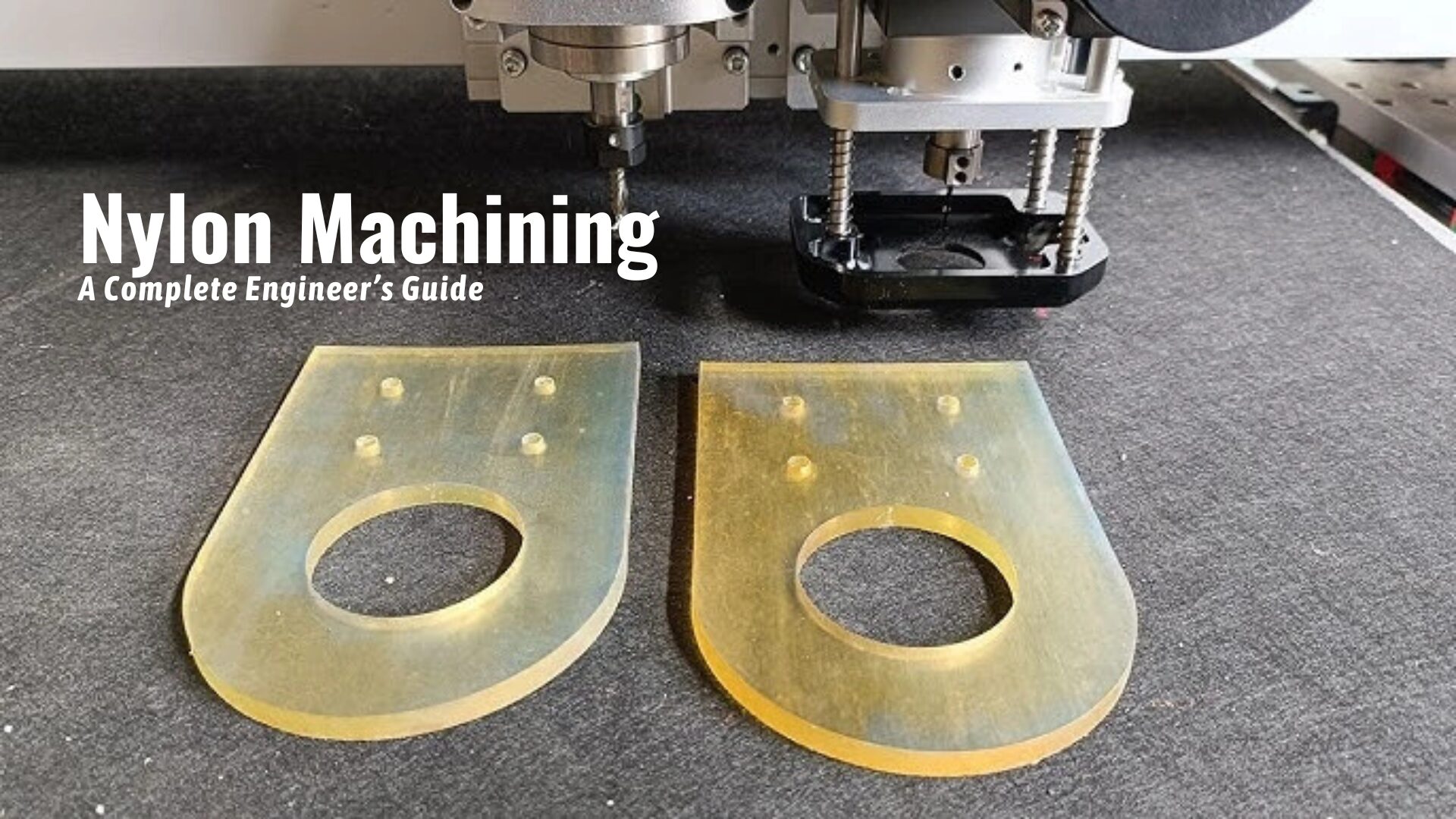
Nylon is a type of plastic called a polyamide. It is one of the most popular engineering plastics used for CNC machining nylon components due to its excellent wear resistance and durability. Nylon performs particularly well in bearings and moving mechanical parts.
Manufacturers sell nylon under different brand names. Nylatron®, Tecamid®, and Nylacast® are common ones. Each brand offers similar quality and performance for CNC machining nylon parts.
Some nylon gets pre-treated to absorb less moisture. Oil-filled types reduce friction between moving surfaces nicely. Glass-filled versions are stronger and stiffer than standard.
Manufacturers may find it hard to machine nylon. When you cut the plastic, it makes messy chips. These chips tend to stick and get in the way. For this job, high-speed steel tools are more effective than carbide.
The most common types are Nylon 6 and Nylon 66. The numbers indicate the chemical structure. In short, they define the proximity of methyl groups to the nitrogen atoms. This small difference changes how the nylon works. Most of what you read about nylon is about these two kinds.
People call nylon by different names. Nylon comes in several types, including 6, 66, 6/6-6, 6/9, 6/10, 6/12, 11, and 12. Manufacturers usually write them as PA6, PA66, or PA12. Polyamide is just another name for the same thing.
Manufacturers in the plastics industry commonly use brand names such as Ertalon 6, Ertalon 6SA, and Ertalon 66 SA. Other materials commonly used for CNC machining nylon include Ertalon 6PLA, Centromid 6 E, Centromid 12 PA, Omniamid, Akulon, and Nylube.
Machinable Nylon Properties Comparison Table
| Property | Nylon 6 | Nylon 6/6 | Glass-Filled Nylon 6 (30%) |
| Tensile Strength (MPa) | 70–80 | 80–90 | 150–190 |
| Flexural Modulus (GPa) | 2.5–3.0 | 2.8–3.2 | 7.0–9.0 |
| Elongation at Break (%) | 50–100 | 40–60 | 2–5 |
| Impact Strength (J/m) | 50–80 | 60–90 | 80–120 |
| Hardness (Rockwell R) | 110–120 | 115–125 | 120–130 |
| Density (g/cm³) | 1.13–1.15 | 1.14–1.16 | 1.35–1.40 |
| Thermal Expansion (µm/m·K) | 80–100 | 70–90 | 20–40 |
| Heat Deflection Temp. (°C) | 60–80 | 80–100 | 180–200 |
| Water Absorption (%) | 1.5–2.0 | 1.0–1.5 | 0.8–1.2 |
| Melting Point (°C) | 215–220 | 255–260 | 215–220 |
Understanding these properties helps engineers optimize CNC machining operations for nylon to achieve better dimensional accuracy and durability.
Step-by-Step Guide to CNC Machining Nylon
You need to plan and use the right tools when laser cutting and machining nylon. To obtain clean and accurate results, follow these steps.
Step 1: Pick the Right Nylon Type
Selecting the correct nylon grade is critical for successful CNC machining of nylon parts.
Nylon 6 is suitable for producing injection-molded parts that require strength. Nylon 6/6 can withstand tire cords and other high-stress applications. For industrial wear applications, glass-filled nylon is a good choice.
Step 2: Dry Your Material First
Before you start machining, ensure your nylon is dry. When you cut wet nylon, it cracks and changes size.
At 75°C to 85°C, let the material dry. Leave it alone for at least 4 to 6 hours. This eliminates the moisture that can later cause size issues.
Step 3: Clamp Your Workpiece Properly
Use mechanical clamps to keep the nylon in place. Vacuum chucks are effective at preventing surface damage.
Use soft jaw clamps or custom jigs to secure thin parts. When machining, proper clamping prevents vibration and chatter. This helps you get better results on the surface.
Step 4: Choose Sharp Cutting Tools
Tool selection is critical in CNC machining of nylon.
For normal nylon grades, use tools made of high-speed steel. Tungsten carbide works better with nylon that contains glass.
Choose tools with high rake angles to make them easier to move. Sharp edges keep the nylon from melting or smearing. This keeps your cuts neat and clean.
Step 5: Set Your Machine Parameters
The cutting speeds should be between 100 and 300 m/min. Set the feed rates between 0.1 and 0.4 mm/rev. The depth of the cut should be between 0.5 and 2 mm.
These settings prevent the material from overheating. Use air coolant to remove heat and chips. Avoid using water-based coolants, as they can cause nylon to swell and become brittle.
Step 6: Inspect and Finish Your Parts
After CNC-machining nylon parts, inspect them for burrs and rough edges. Check dimensions carefully to ensure they meet tolerance requirements.
If parts need to be more stable in size, anneal them to achieve this. Heat treatment eliminates the stress in the material caused by machining. This step is important for parts that need precise alignment, such as connectors.
CNC Machining Nylon and Tooling
CNC machining technology produces nylon components with precise dimensions and smooth surface finishes. Selecting the correct tools is essential for efficient CNC machining of nylon.
Tool Material Selection
For general nylon machining, high-speed steel tools work well. They have sharp cutting edges and last for a reasonable period. HSS works for most common uses.
Tungsten carbide is better than HSS for glass-filled nylon. It lasts longer and keeps its sharp edges longer. If you are producing a large quantity of something or using abrasive materials, opt for carbide.
Tool Geometry Considerations
High rake angles make it easier to cut through things by lowering friction. Polished flutes help chips flow out smoothly at all times. These features help keep the material from overheating. They also prevent melting and make edges less rough.
Cutting Parameters
The cutting speed should be between 100 and 300 m/min. The best feed rates are between 0.1 and 0.4 mm/rev. For optimal results, machine glass-filled nylon at slower speeds. Keep a close eye on these settings while you are machining.
Cooling Methods
For nylon, air-based coolants are the best choice. They prevent moisture from entering, which helps maintain stable dimensions. Water-based coolants can damage the material. Dry cutting or cooling with air keeps parts accurate.
Tool Maintenance
Check tools regularly to maintain high quality. Compared to regular grades, glass-filled nylon wears down cutting edges faster. To maintain the surface finish quality, replace worn tools promptly. Taking proper care of your tools makes them last longer and work more efficiently.
Common Nylon Parts Across Industries
Many industries rely on CNC machining nylon parts because of the material’s durability, wear resistance, and chemical stability.
Automotive Parts
The nylon used to make fuel tanks makes them resistant to chemicals. Nylon is used in tire cords because it is strong. Manufacturers use nylon to make wear pads for long-lasting durability.
Aerospace Parts
Manufacturers use nylon to produce landing gear components. Nylon also insulates and protects electrical connectors from corrosion.
Consumer Products
Manufacturers make kitchen tools using food-safe nylon. They also produce nylon cable ties and binders. Nylon is used in industrial cords to strengthen them.
Industrial Parts
Manufacturers use nylon to make gears, so they operate more quietly. Nylon is used in wear pads because it is resistant to wear and tear. Manufacturers use nylon to make bushings and bearings because it does not stick to other surfaces.
Final Thoughts
Nylon is a versatile engineering material widely used across many industries. CNC machining of nylon enables manufacturers to produce precise, durable components for the automotive, aerospace, consumer products, and industrial equipment sectors.
Because nylon has unique machining characteristics, understanding its properties is essential. Proper tooling, machining parameters, and material preparation all contribute to successful CNC machining of nylon parts.
By following the techniques outlined in this guide, manufacturers and engineers can consistently achieve high-quality results when CNC machining nylon.
Recommended Articles
We hope this guide on CNC Machining Nylon helps you understand its properties, machining techniques, and practical applications across industries. Explore the recommended articles below for more insights on CNC machining, engineering plastics, and precision manufacturing techniques.

