


How to Choose the Best Video Testimonial Software for Your Business?
In an era where digital word-of-mouth drives purchasing decisions, customer testimonials have become a powerful tool for building trust and credibility. Written reviews still matter, but video testimonials are far more persuasive. They give potential buyers the chance to see and hear real customers share their experiences authentically, creating a stronger emotional connection. However, producing impactful video testimonials requires more than just asking customers to record themselves on their smartphones. To streamline the process, ensure consistency, and maximize impact, businesses rely on specialized platforms. With countless options available, the challenge is knowing how to choose the best video testimonial software.
The main factors to take into account when choosing the ideal platform for your brand will be outlined in this guide, and why choosing a video testimonial tool like Vidlo can give you a strategic advantage.
Why Video Testimonials Are Better Than Written Reviews?
- Emotional Impact: Unlike text reviews, video testimonials capture tone of voice, body language, and emotion. This level of authenticity makes it easier for prospects to connect with the storyteller.
- Stronger Social Proof: Surveys show that more than 70% of respondents say watching a video testimonial increases their likelihood of making a purchase. Seeing a real customer explain how your product solved their problem creates powerful social proof.
- Multi-Platform Versatility: When you choose the best video testimonial software, you can repurpose videos across channels—embed them on your website, share them on social media, use them in sales presentations, or turn them into ads.
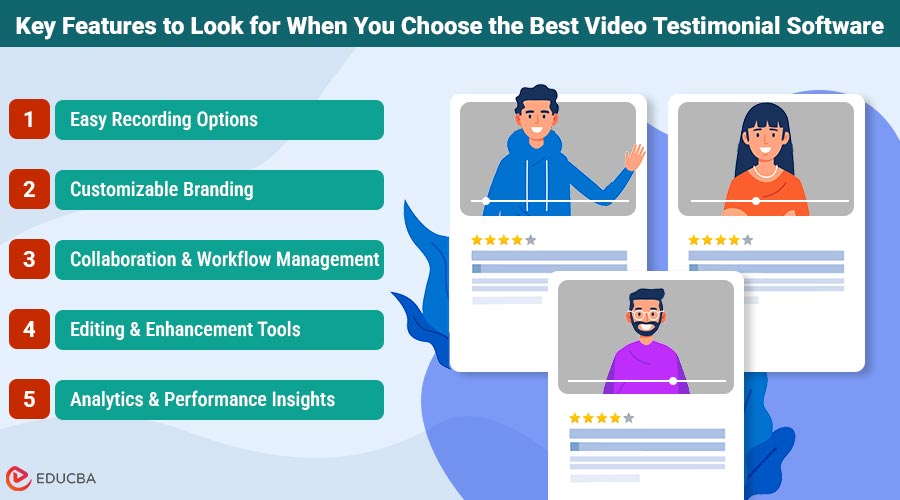
Key Features to Look for When You Choose the Best Video Testimonial Software
Not all platforms are the same. Focus on these key features:
1. Easy Recording Options
The software should make it simple for customers to record from any device—desktop, tablet, or mobile. Look for tools with guided prompts, browser-based recording, and automatic upload features.
2. Customizable Branding
The best testimonial software allows you to add your logo, brand colors, and calls-to-action, ensuring testimonials stay consistent with your identity.
3. Collaboration & Workflow Management
If your marketing or customer success team is managing dozens of testimonials, you will need tools that support collaboration. Features like approval workflows, shared libraries, and tagging systems help keep content organized.
4. Editing & Enhancement Tools
Raw footage can be powerful, but it often needs light editing. Look for platforms that offer trimming, subtitles, background music, and intro/outro templates without requiring advanced editing skills.
5. Analytics & Performance Insights
Great testimonial software does not stop at creation. It should also provide insights into how your testimonials perform—view counts, engagement rates, and conversion metrics.
6. Secure Storage & Compliance
Particularly if you are in regulated industries (such as finance or healthcare), ensure the platform provides GDPR-compliant storage, permission management, and secure hosting.
Evaluating a Video Testimonial Tool Like Vidlo
When you are exploring your options, consider how a video testimonial tool like Vidlo differs from generic video editing platforms. Unlike traditional editors, Vidlo and similar platforms are designed specifically for testimonial workflows. That means:
- Seamless Customer Participation: Customers can easily record videos without downloading complicated apps.
- Automated Editing: Built-in templates make testimonials look polished while preserving authenticity.
- Marketing Integrations: Export directly to websites, email campaigns, or social platforms.
- Scalability: Whether you need five testimonials or five hundred, the platform can grow with your business needs.
Benefits of Choosing the Right Testimonial Platform
- Build Trust Faster: Authentic video testimonials showcase real customer experiences, which significantly reduces skepticism and accelerates trust-building.
- Increase Conversions: Including a testimonial video on a landing page can increase conversions by 30–40%. The right platform helps you consistently deploy this tactic.
- Save Time & Costs: Producing testimonials manually—coordinating with customers, editing footage, and managing distribution—can be slow and expensive. The right software automates much of this process, reducing costs.
- Create a Scalable Testimonial Engine: Instead of scrambling for testimonials during product launches or campaigns, a reliable tool helps you build a library of authentic stories you can leverage anytime.
Common Mistakes to Avoid
- Overlooking Ease of Use: If your customers struggle to record their stories, you will lose valuable opportunities. Always test the recording experience from the customer’s perspective.
- Ignoring Integrations: Your testimonial videos should seamlessly integrate into your existing marketing stack—whether that is HubSpot, Salesforce, Mailchimp, or your CMS. Choose a platform with solid integration capabilities.
- Neglecting Data Privacy: Testimonials involve real people and their personal data. Check that the software follows data protection regulations and includes clear consent management.
Best Practices for Collecting and Using Video Testimonials
Here are some key tips and strategies to effectively collect and use video testimonials:
1. Provide Clear Prompts
Customers may not know what to say. Provide a few guiding questions, such as:
- What problem did our product solve for you?
- How has your experience improved since using it?
- Would you recommend it to others?
2. Keep It Natural
Authenticity matters more than polish. Encourage customers to speak naturally rather than memorize scripts.
3. Highlight Diversity of Perspectives
Collect testimonials from various customer types, including first-time buyers, long-term clients, and enterprise users. This ensures broader relatability.
4. Repurpose Across Channels
- Website: Place video testimonials near CTAs to boost conversions.
- Social Media: Share short clips on Instagram, LinkedIn, or TikTok.
- Email Campaigns: Embed videos in nurture sequences.
- Paid Ads: Use snippets as compelling proof points in retargeting ads.
Top Video Testimonial Software Options
Here are some notable solutions:
- Vidlo: Focused on streamlined UGC-style testimonials with ease of use for both brands and customers.
- VocalVideo: Offers customizable workflows and branding options.
- io: Great for collecting both text and video testimonials.
- Trustmary: Combines testimonials with review aggregation.
- VideoAsk by Typeform: An Interactive video Q&A format that works well for testimonials.
Each platform has strengths, but a video testimonial tool like Vidlo is designed specifically for modern, authentic testimonial collection.
Final Checklist Before Choosing Software
Before you make a decision, evaluate:
- Budget: Does it align with your marketing spend?
- Ease of Use: Can customers and your team adopt it quickly?
- Integrations: Will it fit into your existing tech stack?
- Scalability: Can it grow with your testimonial needs?
- Analytics: Will it help you measure ROI effectively?
Final Thoughts
Learning how to choose the best video testimonial software is about more than recording and editing—it is about creating a scalable system for authentic customer storytelling. By prioritizing ease of use, branding, collaboration, analytics, and compliance, you will select a tool that empowers your customers to become advocates. If you are ready to take testimonials seriously, consider exploring a video testimonial tool like Vidlo. It bridges the gap between raw customer stories and polished marketing assets, helping you turn everyday customer experiences into powerful growth drivers. With the right platform, your brand would not just showcase testimonials—you will build trust, credibility, and long-term customer loyalty.
Recommended Articles
We hope this guide helps you understand how to choose the best video testimonial software. Check out these recommended articles for more tips and insights on selecting the right platform for your brand.


