


Car Accident Compensation: Overview
A major accident can turn your life upside down. You may also deal with medical bills, lost wages, and ongoing treatment. When financial recovery is uncertain, understanding the potential value of your claim is crucial. Although each case is different, courts and insurance companies typically look at certain common factors when deciding what compensation a victim may receive. These factors come together to determine the scope of your car accident compensation.
The Building Blocks of a Claim
Compensation after a car crash generally falls into two broad categories:
Economic Damages
Tangible, measurable costs directly resulting from the accident. These include:
- Hospital bills and medical expenses
- Prescription medications
- Rehabilitation and physical therapy
- Vehicle repairs
- Lost wages due to time off work
These damages are easier to calculate because they rely on receipts, invoices, and employment records.
Non-Economic Damages
Less tangible but equally important. They cover:
- Pain and suffering
- Emotional trauma
- Diminished quality of life
- Permanent scarring or disfigurement
Because non-economic damages are subjective, insurance adjusters and attorneys often employ the “multiplier method.” This involves multiplying medical expenses by a factor that reflects the seriousness of the injury, helping to estimate compensation for pain and suffering.
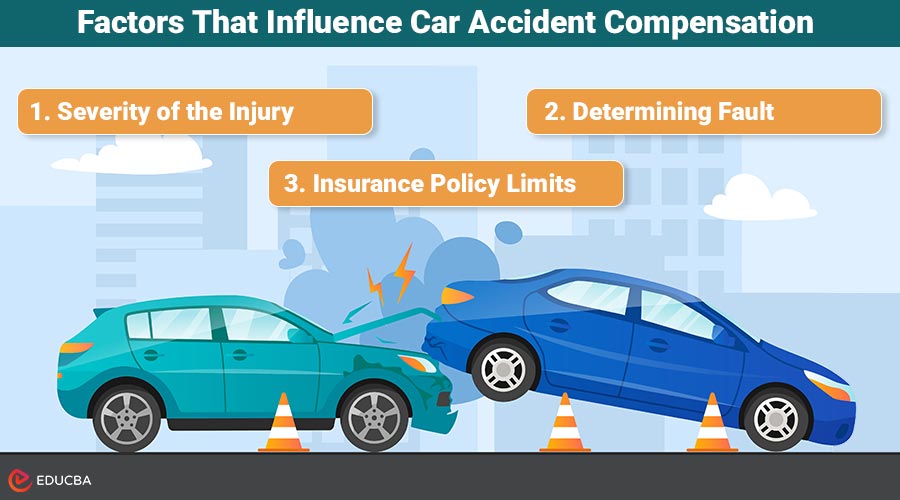
Factors That Influence Car Accident Compensation
Several key factors determine the overall value of a car accident claim:
1. Severity of the Injury
The seriousness of your injuries heavily influences your settlement. Minor injuries, such as sprains that heal within weeks, typically result in smaller compensation. Serious injuries like spinal or brain damage often need surgery or long-term care, resulting in larger settlements. Permanent limitations or disabilities further increase the potential compensation.
2. Determining Fault
Fault plays a critical role in the compensation process. If the other driver is entirely at fault, your bargaining position is stronger. In states with comparative negligence rules, your compensation decreases proportionally if you share any responsibility for the incident. Gathering police reports, photos, and witness statements helps prove fault and secure full compensation, though complex cases may require specialized legal expertise like a florida uber accident lawyer to navigate multi-party liability issues.
3. Insurance Policy Limits
Insurance coverage limits can impact your settlement. Even if your damages are high, a driver with only minimum liability coverage may not be able to fully cover your losses. In such cases, victims may explore additional options, including underinsured motorist coverage or direct legal action, to pursue full compensation.
Common Ranges and Expectations
While amounts vary, national data show that settlements for moderate injuries typically range in the tens of thousands of dollars. More serious injuries with permanent consequences can lead to six-figure or even seven-figure settlements, particularly if there is evidence of long-term disability. While it is natural to want exact figures, every accident has unique elements, and averages are only rough guidelines.
It is also important to remember that most cases settle before reaching trial. Negotiations between your attorney and the insurance company often result in agreements designed to cover both current and future needs. Quick settlements may be tempting, but accepting one too soon can leave victims struggling if medical complications emerge later.
The Role of Documentation and Evidence
Thorough documentation is one of the strongest tools you have when pursuing compensation. Keeping records of medical treatments, saving receipts, photographing injuries and property damage, and maintaining a personal recovery journal can all support your case. These details allow attorneys and insurers to understand not only your immediate expenses but also the long-term consequences of your injuries.
Strong evidence also helps counter insurance tactics. Insurers often start with a low settlement, expecting you to accept it quickly. Having detailed proof makes it harder for them to undervalue your claim and gives your legal representative more leverage in negotiations.
The Importance of Legal Representation
While it is possible to handle insurance claims independently, having an experienced attorney significantly improves your chances of fair compensation. Lawyers can:
- Accurately calculate the full value of damages
- Gather expert testimony
- Ensure settlements do not unintentionally limit future recovery
- Keep your claim within the statute of limitations
Every state enforces deadlines for filing lawsuits. Failing to meet the legal deadlines for filing a claim can have serious consequences. The U.S. Courts website guides civil case timelines.
Moving Forward After a Crash
Recovering from a car accident is challenging, and car accident compensation helps provide financial stability during your healing process. Key steps include:
- Understanding factors that influence claim values, such as injury severity, fault, and insurance limits.
- Documenting every expense and injury.
- Seeking consistent medical care.
- Consulting with an experienced attorney.
No two cases are identical. While averages provide context, your personal outcome depends on your unique circumstances. A fair settlement that accurately represents your losses and aids in your recovery is more likely to be obtained if you approach the process with understanding and patience.
Final Thoughts
Understanding car accident compensation is essential for recovering financially after a crash. Your settlement depends on factors like injury severity, fault, insurance limits, and thorough documentation. Regular medical care and guidance from an experienced attorney help secure fair compensation for both present and future needs, supporting recovery and financial stability.
Recommended Articles
We hope this comprehensive guide to car accident compensation helps you understand your rights and navigate the claims process. Check out these recommended articles for more insights and strategies to protect your financial recovery after a car crash.

