

What is Biohacking?
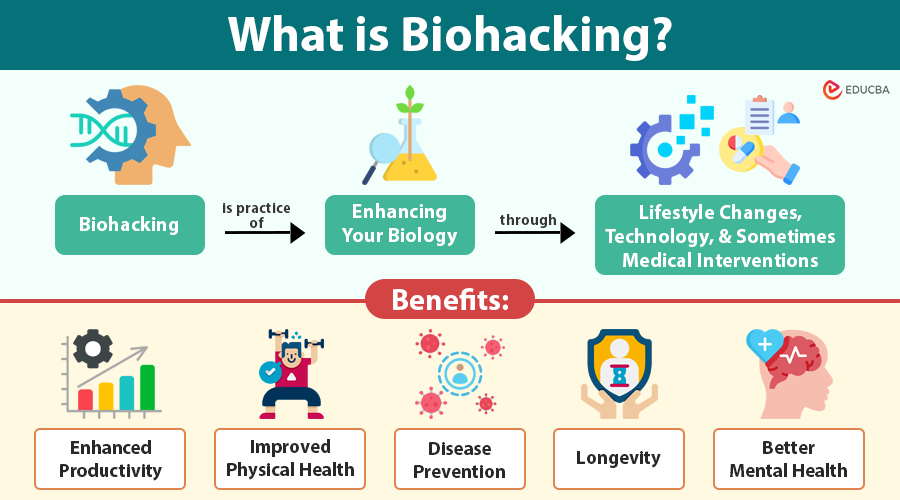
Biohacking is the science, art, and practice of modifying or enhancing your biology using a combination of lifestyle changes, technology, supplements, and sometimes medical interventions.
Think of it as a form of “DIY biology” where you optimize your body’s natural processes to achieve better physical, mental, and emotional outcomes. Popularized by tech entrepreneurs and wellness experts, biohacking encompasses a range of lifestyle tweaks to more advanced interventions, including genetic testing and implantable devices.
Table of Contents:
- Meaning
- Philosophy
- Types
- Techniques
- Benefits
- Ethical and Safety Concerns
- Examples
- Future
- How to Get Started?
Key Takeaways:
- Biohacking empowers individuals to self-optimize by merging biology, technology, data, and personal experimentation.
- Personalized health tracking and interventions allow smarter, proactive decisions for long-term wellness and performance.
- Safe biohacking starts with lifestyle changes—no expensive gadgets or extreme methods are initially needed.
- As biohacking evolves, ethical boundaries and accessibility concerns must remain central in public discourse.
Philosophy Behind Biohacking
At its core, biohacking is driven by a simple yet radical idea:
“Your body is a system—and you can reprogram it.”
Biohackers believe that through scientific knowledge and tools, humans can:
- Enhance cognitive function
- Increase physical endurance
- Improve sleep and mood
- Slow aging
- Prevent or reverse diseases
This movement ranges from casual hacks, such as intermittent fasting, to more intense interventions, including neurostimulation and gene editing.
Types of Biohacking
Biohacking is not one-size-fits-all. We can classify it into several categories depending on the techniques and technologies used.
1. Nutrigenomics
Nutrigenomics examines how food influences your genes. Biohackers utilize DNA testing to personalize their diets and supplements, optimizing their health.
2. DIY Biology (DIY Bio)
DIY Bio involves amateur biologists conducting scientific experiments, often in home labs or community spaces. They may clone genes, culture bacteria, or test biological processes.
3. Grinder Biohacking
This is the extreme body modification aspect of biohacking. Grinders might implant chips under their skin, add magnetic implants to their fingertips, or experiment with nootropics.
4. Quantified Self
This involves tracking your biological data—such as sleep, heart rate, or productivity—with wearable tech like smartwatches and apps.
5. Neurohacking
Neurohackers aim to optimize brain function using cognitive enhancers, meditation, neurofeedback, and brainwave entrainment.
Common Biohacking Techniques
Let us explore some widely used techniques that vary in complexity and invasiveness:
1. Intermittent Fasting
This entails alternating between eating and fasting intervals. Studies have linked it to weight loss, improved metabolism, and increased longevity.
2. Cold Exposure
Practiced by figures like Wim Hof, cold showers and ice baths are used to boost immune function, fat burning, and mental resilience.
3. Red Light Therapy
Exposure to low-level red or near-infrared light aims to enhance cellular repair, skin health, and mood.
4. Ketogenic Diet
A high-fat, low-carb diet designed to push the body into ketosis, where it burns fat for fuel, is often used for mental clarity and weight management.
5. Wearable Technology
Using smart wearables to track biometrics like blood oxygen levels, heart rate variability, and sleep quality.
Benefits of Biohacking
When done responsibly, biohacking can provide numerous benefits:
1. Enhanced Productivity
Using nootropics, tracking sleep quality, and practicing mindfulness can significantly improve concentration, mental clarity, and daily cognitive performance.
2. Improved Physical Health
Biohacking with optimized diets, regular fasting, and personalized workouts reduces inflammation, boosts metabolism, and elevates physical vitality and endurance.
3. Disease Prevention
Genetic testing and wearable health trackers enable early detection of disease risks, helping prevent chronic conditions through timely lifestyle changes.
4. Longevity
Practices such as calorie restriction, intermittent fasting, and cellular rejuvenation aim to naturally extend lifespan by slowing the body’s aging processes.
5. Better Mental Health
Mood-tracking tools and neurofeedback therapies assist in reducing anxiety, managing stress, and enhancing overall emotional resilience and mental wellness.
Ethical and Safety Concerns
Despite its promise, biohacking raises several ethical, legal, and safety questions:
1. Lack of Regulation
Many biohacks, including DIY biology and nootropic supplements, proceed without FDA oversight or sufficient scientific validation, posing potential safety and efficacy issues.
2. Risk of Harm
Experimental procedures like gene editing and extreme implants may cause infections, permanent damage, or unpredictable long-term consequences without proper medical guidance.
3. Data Privacy
Wearable health devices collect sensitive biometric data, which, if inadequately protected, can be exploited or hacked, compromising users’ privacy and personal information.
4. Accessibility and Inequality
Advanced biohacking tools are often costly, potentially creating unequal access to enhanced health and performance, favoring wealthy individuals over underserved populations.
5. Ethical Boundaries
Changing human biology, like editing genes or improving thinking, raises big questions about who we are, what’s fair, and making sure people fully understand and agree.
Real-World Examples
Here are three notable individuals who have pushed the boundaries of biohacking through personal experimentation and innovation:
1. Dave Asprey – The “Father of Biohacking”
Asprey experimented with 15 years of self-quantification, supplements, and stem cell therapy, claiming he aims to live to 180.
2. Josiah Zayner – The DIY Geneticist
Zayner injected himself with CRISPR-edited DNA on a live stream to demonstrate gene editing, stirring widespread controversy.
3. Bryan Johnson – The Million-Dollar Body
Tech entrepreneur Bryan Johnson spends over $2 million a year on a routine of cell regeneration therapies, blood plasma exchange, and biometric tracking to reduce his biological age.
Future of Biohacking
As technology advances, the line between human and machine continues to blur. Emerging areas like:
1. Brain-computer Interfaces
Direct contact between the brain and gadgets is made possible by brain-computer interfaces, which may improve cognition, restore mobility, or allow thought-based control of external technology.
2. AI-driven Health Monitoring
AI systems use body data to spot health problems early, helping doctors give personal care and treat issues before they get serious.
3. Nano-medicine and Synthetic Biology
Nano-medicine and synthetic biology offer precision tools for repairing cells, delivering drugs, or engineering organisms, revolutionizing disease treatment and biological enhancement at the microscopic level.
4. Custom Gene Therapies
Tailored gene therapies edit DNA to correct genetic disorders or enhance traits, potentially eradicating inherited diseases and customizing human capabilities at the molecular level.
How to Get Started with Biohacking?
Are you curious about biohacking but unsure where to begin? Here are some safe and easy ways to explore for beginners:
1. Start Tracking
Utilize a fitness tracker or mobile app to track sleep, heart rate, and daily activity, thereby optimizing overall health patterns.
2. Experiment with Diet
Try cutting back on sugar or implementing intermittent fasting for a week to observe improvements in your energy, mood, and focus.
3. Mindfulness
Practice daily meditation for 10 minutes using apps like Calm or Headspace to reduce stress, improve focus, and boost emotional well-being.
4. Cold Showers
End your shower with 30 seconds of cold water to help blood flow, build toughness, and make you feel more awake.
5. Nootropics
Research beginner-friendly cognitive enhancers, such as Omega-3 or L-theanine, but always consult your healthcare provider before starting any new supplement.
Final Thoughts
Biohacking is revolutionizing our understanding of health and human potential. By merging data, science, and self-experimentation, individuals can take charge of their biology. Whether you are dabbling in fasting or diving deep into nootropics and gene editing, the biohacking journey is one of curiosity, control, and constant evolution.
Frequently Asked Questions (FAQs)
Q1. Is biohacking legal?
Answer: Most forms are legal, especially lifestyle and nutritional hacks. Gene editing and prescription nootropics may fall under legal/medical gray areas.
Q2. Can anyone try biohacking?
Answer: Yes—anyone can start with simple strategies, such as improving sleep hygiene or fasting. You should approach advanced methods cautiously.
Q3. Are there doctors who support biohacking?
Answer: Yes, many functional and integrative medicine practitioners support evidence-based biohacks.
Q4. Is biohacking the same as transhumanism?
Answer: Not exactly. While they overlap, biohacking focuses on optimizing the body in the present. Transhumanism aims to transcend biological limitations altogether, often through advanced tech or AI.
Recommended Articles
We hope that this EDUCBA information on “Biohacking” was beneficial to you. You can view EDUCBA’s recommended articles for more information.

