


Benefits of BPC-157: The Healing Peptide
In the expanding field of regenerative medicine and biohacking, few compounds have sparked as much curiosity as BPC-157. Often referred to as the “healing peptide,” it has gained popularity among athletes, researchers, and wellness enthusiasts for its purported ability to accelerate recovery, protect the gut, and reduce inflammation. However, while the science behind BPC-157 intrigues researchers, much of the information about it relies on animal studies rather than human clinical trials. Understanding the benefits of BPC-157 and its current limitations is essential for using this information responsibly.
What is BPC-157?
BPC-157 stands for Body Protection Compound-157, a synthetic peptide composed of 15 amino acids. Derived from a protein present in human gastric juice, BPC-157 plays a recognized role in protecting and repairing the digestive tract. Scientists isolated and synthesized this short chain of amino acids to study its biological effects, suspecting it might play a broader role in tissue regeneration and the control of inflammation.
Unlike hormones or anabolic steroids, peptides like BPC-157 act as cellular messengers, influencing how cells communicate and respond to injury or stress. Due to this, peptides are being increasingly studied for their regenerative potential especially in the healing of soft tissue injuries, promoting gut health, and reducing inflammation.
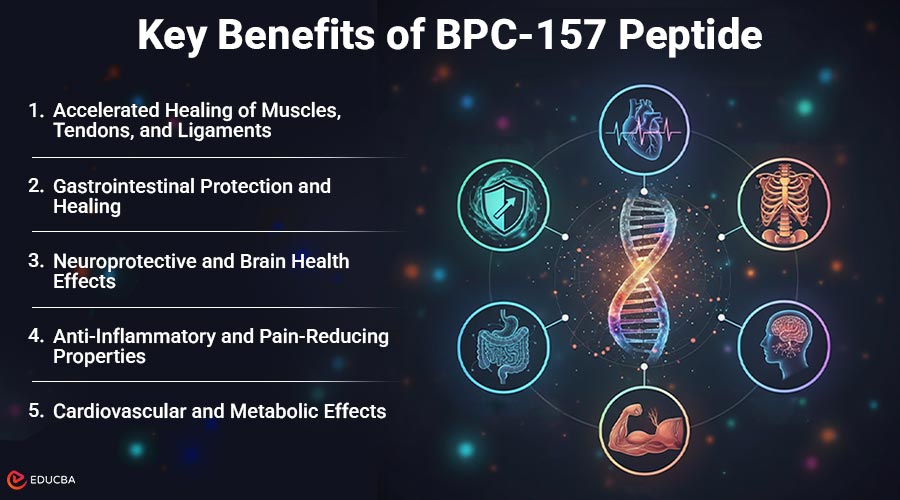
Key Benefits of BPC-157 Peptide
Here are the key benefits of BPC-157 peptide, highlighting its potential effects on healing, gut protection, inflammation, and tissue regeneration.
1. Accelerated Healing of Muscles, Tendons, and Ligaments
A key benefit of BPC-157 is its potential to accelerate tissue repair. Research in animals suggests that this peptide can significantly accelerate the healing of muscles, tendons, and ligaments. In rat models, BPC-157 promoted the regeneration of torn muscles and improved tendon-to-bone healing after injury or surgery.
Scientists suggest that this effect may result from enhanced angiogenesis the formation of new blood vessels and the increased activity of growth factors, such as VEGF (vascular endothelial growth factor). These processes help bring more oxygen and nutrients to injured tissues, supporting faster recovery and stronger repair. For athletes and individuals recovering from surgery, BPC-157 has become a topic of interest. However, despite promising preclinical data, there is still no verified evidence in humans demonstrating these effects.
2. Gastrointestinal Protection and Healing
Researchers first studied BPC-157 for its role in protecting the digestive system. Multiple animal studies have demonstrated that BPC-157 strongly protects the stomach lining, aiding in the prevention and healing of ulcers caused by NSAIDs, alcohol, or stress. BPC-157 appears to help maintain the integrity of the intestinal barrier, making it a promising option for conditions such as inflammatory bowel disease (IBD), irritable bowel syndrome (IBS), and leaky gut syndrome.
In animal models of colitis and Crohn’s disease, researchers have shown that BPC-157 reduces inflammation, improves mucosal healing, and normalizes bowel motility. For this reason, some users refer to it as a “gut healer,” although these claims remain scientifically unproven in humans. Still, its consistent performance in preclinical studies suggests it may one day become a valuable therapeutic tool in gastroenterology if future trials confirm its safety and effectiveness.
3. Neuroprotective and Brain Health Effects
Researchers have also investigated BPC-157 for its neuroprotective properties. Animal research indicates that it may protect neurons from damage following traumatic brain injury, stroke, or neurotoxin exposure. Some studies have shown that it helps restore nerve pathways and improve functional recovery after spinal cord injuries.
Scientists hypothesize that the peptide may influence the dopaminergic and serotonergic systems, potentially impacting mood regulation and neuroplasticity. Early findings suggest that BPC-157 could produce antidepressant-like and anxiolytic (anti-anxiety) effects in rodents, though researchers have yet to replicate these results in humans.
4. Anti-Inflammatory and Pain-Reducing Properties
Inflammation is a natural part of the healing process; however, chronic inflammation can lead to long-term tissue damage and persistent pain. BPC-157 appears to modulate inflammatory pathways, reducing levels of pro-inflammatory cytokines and oxidative stress markers.
This anti-inflammatory effect may partly explain why animals treated with BPC-157 recover more quickly from injury. In some models, it also demonstrated analgesic (pain-reducing) effects, potentially making it useful for conditions such as arthritis or nerve pain. Again, researchers consider these findings preliminary, as controlled human studies have yet to confirm them.
5. Cardiovascular and Metabolic Effects
Some lesser-known research suggests that BPC-157 has a positive influence on vascular and cardiovascular health. In animal studies, it has demonstrated the ability to protect blood vessels from damage, promote endothelial repair, and enhance nitric oxide signaling a molecule crucial for maintaining healthy blood flow.
It may also help normalize blood pressure and counteract damage caused by high potassium or insulin resistance in experimental models. While intriguing, these studies remain purely exploratory.
6. Possible Role in Bone and Skin Regeneration
Researchers have tested BPC-157 in models of bone fracture healing, where it appeared to stimulate genes involved in bone formation. Other experiments have found improved skin regeneration and wound closure, suggesting a broader role in tissue recovery beyond the muscles and gastrointestinal tract.
Safety, Risks, and Regulation
Despite its potential, the biggest concern surrounding BPC-157 is the lack of human clinical trials. So far, no large-scale studies have established optimal dosing, long-term safety, or potential side effects. While anecdotal users claim benefits ranging from faster recovery to reduced pain, these experiences are not substitutes for scientific evidence.
Possible side effects reported informally include:
- Nausea or dizziness
- Hormonal imbalance
- Fatigue or mood changes
- Local irritation (if injected)
Another major issue is quality control. BPC-157 is not an FDA-approved drug or dietary supplement. Products sold online are often unregulated and may contain impurities or incorrect concentrations. This raises serious safety and ethical concerns, especially when self-administered without medical supervision.
Why BPC-157 Remains Unapproved?
Agencies like the FDA require comprehensive human trials before a compound can be approved for medical use. BPC-157 has not yet gone through this process. It is currently classified as a research chemical, meaning it is legally available only for laboratory research not for personal or medical use.
While early research appears promising, science must proceed with caution. Animal models can only approximate human biology, and many compounds that show success in rodents fail to deliver the same results or prove unsafe in human trials.
(Disclaimer: The article is intended solely for educational and informational purposes. BPC-157 is an unapproved research peptide, and its safety, efficacy, and dosing in humans have not been established.)
Final Thoughts
BPC-157 represents one of the most fascinating frontiers in peptide research. From accelerating tissue healing to supporting gut, brain, and vascular health, the benefits of BPC-157 make it a strong candidate for future therapeutic applications. However, strike a balance between enthusiasm and caution.
However, the lack of rigorous human studies, combined with regulatory and MK-677-related concerns, necessitates a comprehensive valuation. Until clinical trials validate its safety and efficacy, BPC-157 and MK-677 remain experimental compounds, best approached with informed caution and professional guidance. Science may one day validate the claims surrounding this so-called “healing peptide,” but until then, responsible skepticism and patience are the wisest approaches.
Recommended Articles
We hope this article on the benefits of BPC-157 helps you understand its potential and precautions. Check out these recommended articles for more such topics.

