


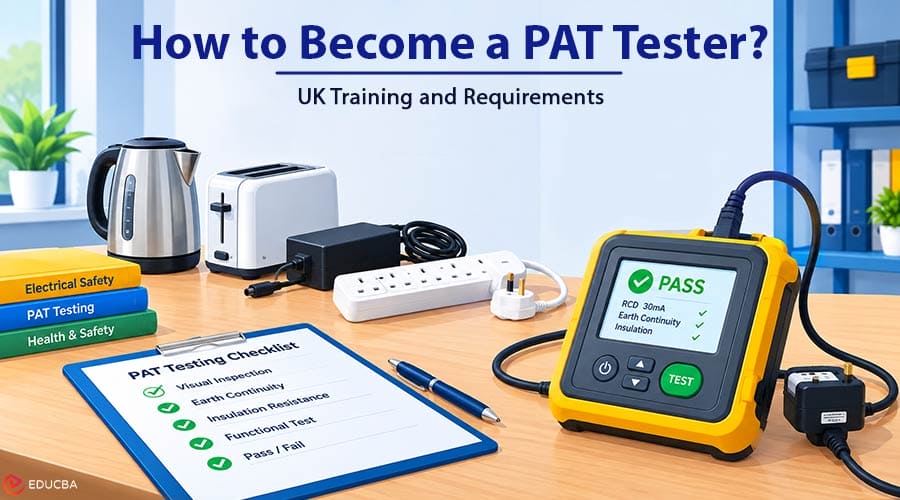
PAT Testers are unsung heroes who play an important role in preventing electrical hazards. PAT Testers are needed across offices, schools, construction sites, and industrial workplaces. If you want to become a PAT Tester in the UK, you need to understand what PAT Testing involves, how the process works, what training you may need, and how often equipment should be inspected and tested. This guide covers the basics to help beginners understand the career path.
What is PAT Testing?
Portable Appliance Testing (PAT) is a routine check of electrical equipment to ensure it works correctly and is safe to use. PAT Testing primarily aims to reduce the risk of electrical accidents in the workplace. PAT Testers are trained professionals who carry out these checks safely and correctly. They can identify equipment that is safe to use and detect faults or problems that could cause accidents.
A complete PAT test involves two main steps:
- A formal visual inspection of the appliance.
- An electrical safety test conducted with a portable appliance tester.
How To Perform PAT Testing Correctly?
Here is a simple step-by-step guide on how to carry out PAT testing:
Step 1: Connect the Appliance
- Plug the appliance into the PAT tester.
- Select the correct appliance class, such as Class I or Class II.
- Start the test.
Step 2: Check the Results
The PAT tester checks:
- Insulation resistance
- Earth continuity
- Polarity for Class I appliances
- The tester displays a Pass or Fail result.
Step 3: Record the Results
- Record the test result.
- Note the basic details of the appliance.
- Keep the records for future safety checks.
Step 4: Carry Out a Visual Check
Look for:
- Cuts, cracks, or damage to cables
- Damaged plugs or sockets
- Loose or exposed connections
Step 5: Label the Equipment
- Place a PAT test label on the appliance.
- This helps identify when the appliance was last tested.
Before carrying out PAT Testing, you need appropriate training and a clear understanding of safe testing procedures. A PAT Testing Training in London course can equip individuals with the skills to use testing equipment safely, identify electrical hazards, and follow proper safety procedures.
How To Become a PAT Tester?
To work as a PAT tester, you must be considered competent to carry out the work safely. This means having a good understanding of electricity and the electrical work involved in PAT Testing. Completing an accredited short course can provide evidence of your knowledge, skills and competence.
For those considering a career in PAT Testing, PAT Testing Training in Birmingham can provide practical guidance on testing procedures, electrical safety, and the correct use of PAT testing equipment.
How Often Should You PAT Test?
There are no fixed legal intervals for PAT Testing. However, the following are some recommended testing frequencies for different types of workplaces:
Offices, Shops, Hotels And Similar Workplaces
- Examine Class 1 equipment, such as general IT equipment, every four years.
- Test portable tools and attachment leads every two years.
- Check frequently used handheld or portable equipment every 12 months.
Construction Sites
- Test all regularly used 110V equipment every three months.
Schools
- Test Class 1 and IT equipment every year.
- Class 2 equipment should be tested every two years.
Industrial Workplaces
- Check portable and handheld equipment every six months.
- Check other stationary, handheld, or portable equipment every 12 months.
Final Thoughts
Portable Appliance Testing (PAT) involves inspecting electrical equipment to ensure it is safe to use and helps minimize the risk of workplace electrical accidents. To become a PAT tester, you need to complete proper training under the guidance of experienced professionals. This helps you understand the proper procedures and perform PAT Testing safely.
Recommended Articles
We hope this comprehensive guide on how to become a PAT Tester helps you understand the training, skills, and safety practices. Check out these recommended articles for more insights and guidance on electrical safety and workplace compliance.

