

Updated January 20, 2026
What is Public Transportation?
Transportation is a lifeline for the country that connects people and places through its network. There are different types of transport like air, water, road, railways, etc. Hence, the most invaluable part of any country is its public transport. The network serves lakhs of people and covers places to facilitate the commute of its travelers.
Moreover, it is a part of the government’s assets that serves its public and paves the way for development. Even though public transport is the most used means of travel, it has advantages and disadvantages.
History of Transportation
Humans initially relied on walking and domesticated animals for transportation, but the development of wheels brought about a remarkable change in transportation history. Horsecarts, horsecars, bullock carts, carriages, and human-pulled rickshaws were used for transport and trade. The Industrial Revolution brought significant advancements in transportation during the 18th and 19th centuries, with the first motorways, bicycles, and cars being built.
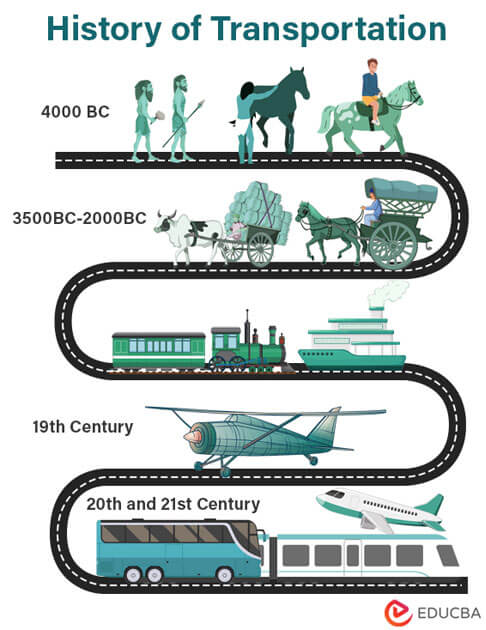
However, railways and steam locomotives revolutionized transportation in the 19th century, and horse-drawn omnibuses, trams, steam trains, steamboats, and steamships were widely used. In the 20th century, there have been significant advancements in the transportation industry, particularly with the rise of electric and autonomous vehicles such as monorails, metro trains, bullet trains, electric buses, and battery- and hydrogen-powered cars. These technologies could reduce carbon emissions and make transportation safer and accessible to everyone.
Advantages and Disadvantages of Public Transport
Public transport plays a vital role in daily commuting by offering an affordable and accessible travel option for millions of people. However, like any system, it has both benefits and limitations.
Advantages of Public Transport
- Reduces air pollution: Public transport lowers air pollution by carrying many passengers in a single vehicle, reducing the number of private vehicles on the road.
- Essential for remote and urban areas: In many regions, public transport is the only reliable mode of travel, serving as a lifeline for daily commuting.
- Cost-effective travel option: It is highly affordable for people who cannot afford a personal vehicle, helping them save on fuel, insurance, and maintenance.
- Fuel efficiency per person: Public transport consumes less fuel per passenger than individual vehicles, making it more energy-efficient.
- Economic benefits for governments: Although governments invest heavily in infrastructure, high ridership generates steady revenue to support maintenance and expansion.
- Higher safety standards: Public transport systems follow strict safety regulations and protocols, making them safer than many private travel options.
- No parking or maintenance hassles: Commuters save money and time by avoiding vehicle maintenance, servicing, and expensive parking fees.
- Fixed and predictable schedules: Buses and trains run on scheduled timetables, allowing commuters to plan their journeys efficiently.
- Encourages physical activity: Walking to and from stops or stations promotes physical movement and brief outdoor exposure, contributing to better health.
- Productive travel time: Passengers can read, listen to music, or relax during the journey, something not possible while driving.
Disadvantages of Public Transport
- Slower travel time: Frequent stops and fixed routes can make public transport slower than private vehicles.
- Last-mile connectivity issues: Vehicles do not drop passengers at exact destinations, requiring additional travel to reach final destinations.
- Lack of privacy: Crowded vehicles often offer limited personal space, making travel uncomfortable.
- Lower comfort levels: Overcrowding and limited seating can reduce travel comfort, especially during peak hours.
- Cleanliness and hygiene concerns: Poor maintenance can lead to unhygienic conditions, foul smells, and increased risk of infectious diseases.
- Inconvenient timings: Fixed schedules may not align with individual routines, leading to waiting and inconvenience.
- Accessibility challenges: Limited space can make travel difficult for elderly passengers, people with disabilities, or parents with children.
- Safety concerns in crowds: Overcrowding may raise safety issues, especially for women, including discomfort and harassment.
- Noise and disturbances: Loud conversations, music, or unruly passengers can disturb other commuters.
- Limited luggage space: Carrying large or multiple bags can be inconvenient due to shared space.
- Risk of losing belongings: Lost items are difficult to recover in crowded public transport systems.
- No flexibility: Missing a bus or train often means long waits or switching to another mode of transport.
Case Studies of Revolutionary Transport Systems
1. London Overground or the Tube
The London Overground, the Tube, is the world’s first and largest metro subway system. The tube provides an efficient, reliable way to travel around the city. About 5 million commuters travel by Tube daily.
It has made significant efforts to improve accessibility for people with disabilities, reduce traffic congestion and carbon emissions, and make the city a healthier place to live and work.
2. Paris Metro
Metro in Paris has played a significant role in transforming the city’s transport system and has helped people in various ways. It is the fastest way to get around the city, has 304 stations over 16 metro lines, reduces traffic congestion, and is accessible to people with disabilities.
The daily commuter ridership in the metro is 4.26 million. It has also positively impacted Paris’s economy. Metro provides transport throughout the day and late at night to help people access businesses and tourist attractions.
3. Sydney Light Rail
Sydney Light Rail is the largest rail network in Australia, which transformed the city’s transport system and improved the quality of life for its inhabitants. These trains are seamless, reliable, and accessible, reducing commuter travel time.
Furthermore, it makes it easier for people to commute to work, visit family, or explore the city. Sydney trains to lessen the dependency on private vehicles and reduce traffic congestion. Sydney trains’ annual ridership is nearly 135 million.
|
City |
Revolutionary Transport Mode |
Interesting Fact |
| London | Tube | London’s famous Tube carries over 1 billion passengers annually |
| Paris | Metro | The Paris Metro is the second-busiest metro system in Europe |
| Sydney | Light Rail | The Sydney Metro is the first fully automated metro rail system in Australia |
What are the Modes of Public Transportation?
There are three main modes of transportation: land, water, and air.
- Land Transportation: The movement of objects or people from one place to another on land is land transportation—for example, bicycles, buses, cars, trains, and trolleys/trams.
- Water transportation: The movement of objects or people from one place to another via water is water transportation—for example, boats, submarines, ships, and water taxi
- Air transportation: The transportation of people or things by air—for example, hot-air balloons, airplanes, helicopters, spacecraft, and satellites.
Types of Public Transport
- Bus: Buses are the oldest form of land transportation, which facilitates the movement of passengers between cities and remote locations, for example, single-decker buses, double-decker buses, air-conditioned buses, minibuses, coach/motor buses, etc.
- Train: Trains run across the country and help transport passengers to distant places, for example, local trains, light rail, metro trains, monorails, bullet trains, trolleys or trams, etc.
- Taxi: A taxi is ideal for on-demand, door-to-door service when other transportation modes are not feasible. For example, regional taxis, AC taxis, rental taxis, etc.
- Ships/Boats: Ships and boats are convenient means of water transport connecting continents, islands, and neighboring locations. For example, ferries, passenger ships, and cruise ships.
- Airplane: An airplane is a convenient way to travel quickly over long distances. However, Other types of air transportation include aircraft, airplanes, and helicopters.
Benefits
Economic Benefits
- Public transportation enhances opportunity and productivity by increasing labor, capital, and economic growth.
- The Public transportation system creates employment opportunities such as drivers, conductors, ticket checkers (TC), ETC.
- Public transport increases the land value.
Social Benefits
- Public transportation reduces carbon emissions and likewise mitigates climate change.
- It reduces traffic congestion and travel time, and stress levels for commuters.
- Public transportation is accessible to anyone regardless of income level.
- It makes it easier to access employment, education, and healthcare services.
- Public transportation is safer and also reduces the incidence of accidents by 90%
Health Benefits
- Public transport reduces air pollution, global warming, and health problems caused by air pollution
- Transit improves physical fitness as commuters walk to and from bus stops and railway stations.
- It encourages social interaction with commuters, enhancing mental health and reducing loneliness.
- Public transportation reduces stress.
Need to Improve Accessibility
Public transport should be accessible and convenient for every citizen. The government should improve public transit accessibility, particularly for people with disabilities, to ensure equal access. However, this can include wheelchair ramps, audio announcements, signage, and wayfinding.
Challenges and Limitations of Public Transport
Despite its many benefits, public transport systems face several challenges that affect efficiency, comfort, and accessibility:
- Peak-hour overcrowding: Buses and trains often become extremely crowded during peak hours, causing discomfort and safety concerns for passengers.
- Traffic congestion: Road-based public transport, such as buses, frequently gets stuck in traffic, leading to delays and longer travel times.
- Inadequate off-peak services: Limited services during late nights, weekends, and holidays reduce convenience for passengers with non-standard schedules.
- High infrastructure and maintenance costs: Developing and maintaining transport infrastructure requires heavy financial investment from governments.
- Long waiting times: Delays and low service frequency increase waiting times, especially in densely populated areas.
- Last-mile connectivity issues: Many passengers struggle to reach their final destination due to poor connectivity from stations or bus stops.
- Accessibility barriers: Lack of ramps, elevators, or proper signage can make public transport difficult for elderly passengers and people with disabilities.
- Safety and security concerns: Overcrowding and insufficient surveillance may increase the risk of theft or harassment.
- Risk of infectious diseases: Crowded, enclosed spaces can increase the spread of illness, especially during health crises.
- Environmental impact of older fleets: Older diesel-powered vehicles contribute to air and noise pollution if not upgraded.
- Limited service coverage in remote and rural areas: Public transport is often unreliable in these areas.
Latest Trends in Public Transport (2026)
- Electric & Zero‑Emission Fleets: Cities are rapidly replacing diesel buses and trains with electric and hydrogen fuel cell vehicles, cutting pollution and improving air quality.
- AI & Smart Operations: Public transport systems are using AI, IoT, and predictive analytics to optimize routes, forecast demand, improve maintenance, and enhance passenger experience.
- On‑Demand and Flexible Transit Services: Traditional fixed‑route services are complemented by on‑demand and demand‑responsive transport (DRT), offering flexible, app‑based mobility options in low‑demand areas.
- Integration of Mobility Services: Agencies are unifying different modes (buses, metro, bike‑share, micro‑mobility) into a single platform and seamless payment systems for smoother travel.
- Modernized Fare & Ticketing Systems: Upgraded ticketing tech, such as contactless payments, mobile apps, and account‑based ticketing, is becoming standard to speed boarding and reduce queues. Recent deals in cities like London point to large‑scale modernization.
- Sustainable Urban Mobility Projects: Innovative transport modes like electric ferries and integrated water‑land systems are gaining recognition for sustainability, such as the Kochi Water Metro.
- Safety & Security Enhancements: Transit authorities are boosting security with real‑time monitoring, more patrols, and technology, aiming to ensure safer travel amid rising ridership.
- Expansion of Rapid & Integrated Networks: Major cities are expanding and integrating networks, such as Manchester’s Bee Network, which unifies trains, buses, and trams under one fare and schedule.
- Last‑Mile Connectivity and Urban Ropeways: Cities like Varanasi are introducing new forms of urban transit, such as ropeways, to reduce congestion and offer eco‑friendly alternatives to road travel.
- Focus on Reliability and Rider Expectations: Public transport agencies are prioritizing on‑time performance, real‑time passenger information, and transparency to meet growing commuter expectations.
Final Thoughts
Public transport is an important part of our transportation systems, but we need new technologies and innovations to make it more effective and sustainable. In addition to the history, benefits, and mode of transportation, you will also learn the advantages and disadvantages of Public Transport in this article.
Lastly, Individuals, governments, and communities can make informed decisions to improve public transportation in densely populated areas and make it more effective and sustainable.
Recommended Articles
We hope this EDUCBA information on “Advantages and Disadvantages of Public Transport” benefited you. You can view EDUCBA’s recommended articles for more information.

