


The Role of Integrity in Long-Term Academic Success
Academic integrity in the digital age is no longer just a classroom expectation; it is the foundation of long-term academic, professional, and personal success. As education increasingly relies on online platforms, AI tools, and digital collaboration, the importance of integrity has become more critical than ever. Recent research shows that nearly 96% of instructors reported some form of cheating in their classes in the past year, a sharp rise from 72% in 2021. At the same time, the rapid growth of generative AI tools such as essay-writing bots and paraphrasing applications has transformed how students learn and how educators assess work.
Reports indicate that AI-related academic misconduct increased by almost 400% between the 2022–23 and 2024–25 academic years, highlighting a defining moment for institutions and learners alike. In this environment of digital disruption, academic integrity goes beyond simply avoiding cheating. It represents a proactive commitment to originality, discipline, and ethical decision-making qualities that distinguish not just high grades, but lasting success. Students who build a strong foundation of integrity develop trust, deep understanding, and adaptability that extend far beyond graduation into meaningful careers.
What Integrity Really Means in Student Life?
In student life, integrity goes far beyond simply avoiding cheating; it is the consistent practice of honesty, trust, fairness, responsibility, and respect in every academic interaction. It means submitting authentic work, giving credit where it is due, and holding oneself accountable even when no one is watching.
In digital learning environments, integrity also extends to the ethical use of technology, from citing AI-generated ideas to collaborating transparently through shared documents and study tools. Many students mistakenly view integrity as merely a set of rules enforced by teachers or software. Still, in reality, it is a personal commitment to authentic learning, choosing growth over shortcuts, curiosity over convenience, and self-respect over momentary advantage.
Why Academic Integrity is the Foundation of Lifelong Success?
Integrity is more than a classroom value; it is the foundation of personal, academic, and professional success. When students act honestly and take responsibility for their learning, they build habits that shape strong character and lasting confidence.
1. Builds Genuine Academic Mastery
Integrity means committing fully to your own learning journey. When students complete assignments honestly rather than taking shortcuts, they develop a deeper understanding, curiosity, and critical thinking skills that last well beyond exams or grades. Even when tools like an AI writing detector are used to verify originality, the purpose is not to punish but to encourage authentic effort and meaningful engagement with learning. Over time, this approach builds a stronger academic foundation and deeper confidence in your abilities.
2. Strengthens Trust and Personal Reputation
Being honest in your academic work helps you earn trust and respect from teachers, classmates, and future employers. Integrity demonstrates that you take ownership of your actions and can be relied upon to deliver genuine results. Maintaining transparency in your writing and study habits protects your credibility and demonstrates responsibility. Over the years, these small acts of honesty shape your personal brand and reputation, opening doors to scholarships, internships, and career opportunities.
3. Fosters Ethical Growth and Decision-Making
Practicing integrity cultivates a sense of moral discipline and fairness that informs decisions across all areas of life. It teaches you to value effort, truth, and respect even when no one is watching. In the digital world, this also means using AI tools responsibly, giving proper credit, and ensuring your work reflects your own understanding. Students who consistently act with integrity build a strong ethical compass that guides their choices throughout their careers and personal lives.
4. Prepares You for Career and Leadership Success
Employers consistently value integrity and accountability as two of the most important traits in job candidates. Students who form these habits early are more likely to become dependable professionals and trusted leaders. Knowing how to use technology wisely and communicate honestly shows maturity, reliability, and emotional intelligence. By demonstrating integrity in both your academic work and digital behavior, you prepare yourself for long-term career growth and meaningful leadership roles.
5. Shapes a Better Digital Learning Culture
Integrity helps create a positive, fair, and supportive learning environment for everyone. When students use technology ethically, cite their sources, and acknowledge AI assistance honestly, they contribute to a culture of mutual respect and collaboration. This shared commitment to honesty makes digital classrooms more inclusive and transparent, helping both educators and students feel confident that the work they produce truly reflects their own effort and creativity.
The Consequences of Dishonesty in the Modern Classroom
Academic dishonesty today leads to more than poor grades. It results in skill gaps, reduced confidence, and damaged credibility. Students who rely on shortcuts or misuse technology miss opportunities to develop problem-solving and analytical skills. Recent surveys indicate that nearly 29% of students report cheating more since 2020, yet institutions catch fewer than 2% of them. This hidden dishonesty erodes trust among educators, peers, and future employers.
As AI tools become more common, new forms of misconduct have emerged. About one in three college students use AI writing tools daily, and nearly 70% of teachers consider their improper use a form of plagiarism. As institutions increasingly adopt AI writing detectors that analyze revision histories, metadata, and digital footprints, dishonesty becomes easier to trace. In this transparent environment, academic integrity is essential for long-term success.
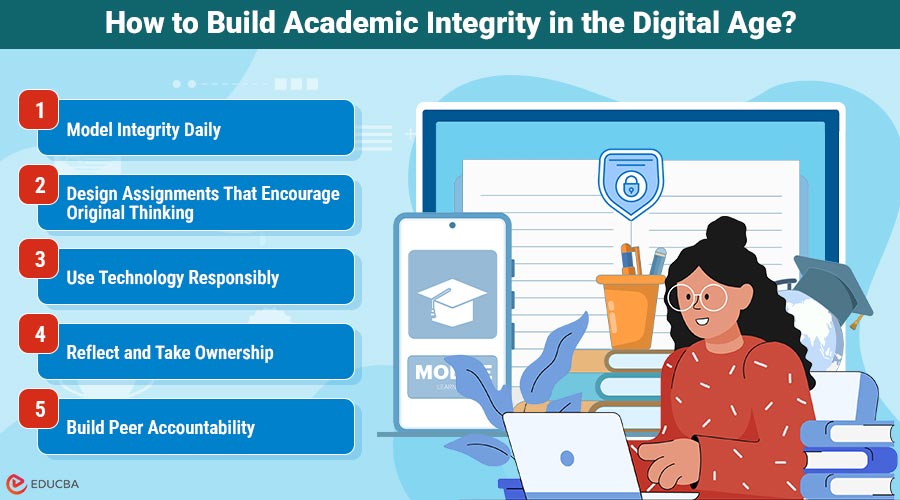
How to Build Academic Integrity in the Digital Age?
In the technology-driven classrooms, cultivating integrity means blending ethical values with digital responsibility. By promoting honesty, accountability, and thoughtful use of AI tools, schools can help students develop authenticity that lasts beyond graduation.
1. Model Integrity Daily
Integrity begins with example. When teachers and mentors act with fairness, transparency, and consistency, students naturally follow. Clear communication of academic expectations and honest feedback build trust and reinforce integrity as core components of learning. Schools that celebrate honesty and accountability foster a culture in which students are proud to do their own work.
2. Design Assignments That Encourage Original Thinking
Assignments that promote creativity and critical thinking make honesty feel natural. Instead of memorization-heavy tasks, teachers can design projects that ask students to apply ideas, share perspectives, or solve real-world problems. This approach not only reduces the temptation to copy but also strengthens each student’s confidence and originality in their work.
3. Use Technology Responsibly
Modern tools like plagiarism checkers and AI writing detectors can help students improve, not just get caught. When used for self-review, these tools help students refine their writing, ensure originality, and understand proper citation. Technology becomes a partner in learning when educators use it to grow skills rather than replace them.
4. Reflect and Take Ownership
Integrity grows stronger when students regularly reflect on their work. Encouraging self-assessment, time management, and responsible citation builds independence and ethical awareness. Recognizing mistakes and learning from them helps students take ownership of their growth rather than fear accountability.
5. Build Peer Accountability
Collaboration is a powerful way to strengthen integrity. When students work in teams, review each other’s ideas, and share honest feedback, they foster mutual trust. Group projects and discussion boards can make academic honesty a shared goal, where everyone contributes fairly and takes pride in authentic results.
Integrity as a Lifelong Habit Beyond School and Grades
Integrity does not end in school; it becomes a lifelong habit that defines personal and professional success. While technology and tools evolve, integrity remains the timeless quality that upholds true credibility and respect.
- Research Integrity: Upholding research integrity ensures transparency, accurate results, and trust in scientific progress.
- Workplace Trust: Professionals who act with integrity earn respect, build stronger teams, and create dependable relationships with colleagues and clients.
- Leadership Strength: Ethical leaders inspire confidence and motivate others to act with fairness and responsibility.
- Digital Citizenship: Practicing honesty online through authentic communication and proper use of content reinforces credibility in a connected world.
- Adaptability Through Integrity: As technology evolves, integrity helps individuals make sound, ethical choices that keep innovation aligned with human values.
Final Thoughts
Academic integrity is the thread that connects learning, technology, and lifelong success. In a world where digital tools and AI continue to evolve, staying honest, accountable, and authentic remains more important than ever. When students commit to original work and ethical decision-making, they not only strengthen their knowledge but also prepare to lead with credibility in the future. Integrity shapes how we learn, create, and collaborate, ensuring that progress in both academic and professional life remains guided by human values and genuine effort.
Frequently Asked Questions (FAQs)
Q1. Why is integrity important for students in the digital age?
Answer: Integrity helps students build real understanding, credibility, and trust in a time when technology and AI tools can easily blur originality. It ensures that learning remains authentic and prepares them for ethical decision-making in future careers.
Q2. How does academic dishonesty affect long-term success?
Answer: Cheating or plagiarism may bring short-term gains, but it creates skill gaps, damages reputation, and weakens confidence. Over time, it limits professional growth and trust from teachers or employers.
Q3. Can AI tools support integrity in education?
Answer: Yes. When used responsibly, AI tools and writing detectors help students improve their work and check originality. They promote self-review, critical thinking, and ethical learning habits rather than shortcuts.
Q4. What role do teachers play in promoting integrity?
Answer: Teachers set the tone for honesty by modeling transparency, fairness, and accountability. Their approach helps students understand that integrity is part of growth, not merely a rule to follow.
Q5. How can students build integrity in digital learning environments?
Answer: Students can develop integrity by citing sources properly, using AI tools ethically, and taking responsibility for their work. Honest effort builds lasting confidence and earns respect from peers and educators.
Recommended Articles
We hope this guide on academic integrity helps you understand its importance in the learning environment. Explore these recommended articles for additional insights and practical strategies to support ethical and successful academic growth.


