


What is Brand Dilution?
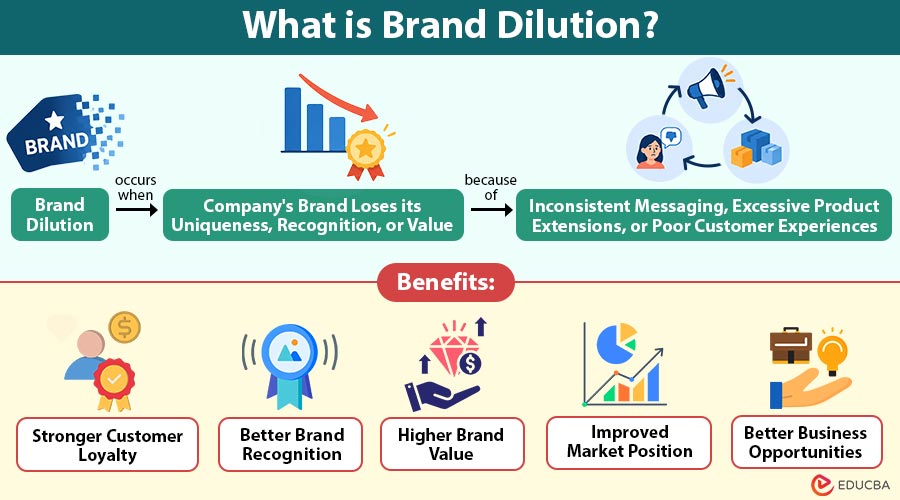
Brand dilution occurs when a company’s brand loses its uniqueness, recognition, or value because of inconsistent messaging, excessive product extensions, or poor customer experiences.
A strong brand takes years to build. Customers become familiar with its name, products, quality, and values. However, when a company introduces unrelated products, changes its identity frequently, or fails to maintain quality, customers may begin to lose trust in it.
For example, imagine a company known for producing premium sports shoes suddenly starts selling low-quality kitchen appliances under the same brand name. Customers may become confused about what the company actually represents.
This situation can weaken the brand’s original image and reduce its value in the market. Businesses must therefore maintain a clear identity and ensure that every product or service supports their established reputation.
Table of Contents:
Key Takeaways:
- Brand dilution weakens a company’s identity, customer trust, and market position through inconsistent branding or unsuitable business decisions.
- Excessive product extensions can confuse customers and reduce the uniqueness that originally made a brand popular.
- Poor product quality, negative publicity, and inconsistent marketing can damage a brand’s long-term reputation.
- Businesses can protect their brand by maintaining quality, understanding customer expectations, and following clear branding guidelines.
Causes of Brand Dilution
Several business decisions and market conditions can weaken a brand’s identity over time. The following are common causes of brand dilution:
1. Excessive Brand Extensions
Introducing too many products under one brand name can confuse customers and weaken the connection with its original product category.
2. Poor Product Quality
When a company launches products that fail to meet customer expectations, people may begin questioning the quality of its entire brand.
3. Inconsistent Brand Messaging
Using different messages, designs, and communication styles across marketing channels can make it difficult for customers to recognize a brand.
4. Entering Unrelated Markets
Launching products in industries that do not match the company’s existing identity can reduce its credibility and confuse loyal customers.
5. Frequent Rebranding
Changing brand names, logos, colours, or positioning too often can weaken recognition and make customers less familiar with the business.
6. Negative Publicity
Customer complaints, product failures, unethical practices, or public controversies can damage a company’s reputation and reduce confidence in its brand.
7. Poor Customer Experience
Unhelpful customer support, delayed deliveries, and complicated return policies can create negative impressions that affect the overall brand image.
Types of Brand Dilution
Brand dilution can occur in different ways depending on how a company manages its identity, products, and market presence.
1. Product-Based Brand Dilution
This happens when a company introduces products that do not match its original quality, purpose, or customer expectations.
2. Image-Based Brand Dilution
Image-based dilution occurs when a brand’s communication, partnerships, or business activities conflict with the values and image customers associate with it.
3. Market-Based Brand Dilution
This occurs when a company enters unrelated markets or competes in too many categories, making its original market position less clear.
4. Quality-Based Brand Dilution
When product or service quality becomes inconsistent, customers may lose confidence in the brand and question its reliability.
Examples of Brand Dilution
Real-world examples help explain how businesses can weaken their brand identity through unsuitable product decisions and inconsistent positioning.
1. Luxury Fashion Brand Selling Low-Cost Products
Imagine a luxury fashion company known for expensive designer handbags. If it suddenly starts selling very cheap accessories with poor materials, customers may question its premium image.
2. Premium Restaurant Launching Low-Quality Packaged Food
A restaurant famous for high-quality meals may damage its reputation if it launches packaged food that does not meet the same standards.
3. Technology Company Introducing Unrelated Products
A company recognized for reliable computer software may confuse customers by entering unrelated product categories without a clear connection to its existing expertise.
4. Fitness Brand Promoting Unhealthy Products
A fitness company that promotes healthy lifestyles may weaken its image by endorsing products that conflict with its established message and customer expectations.
Effects of Brand Dilution
Brand dilution can affect several areas of business performance. Its impact may become more serious when companies fail to address the underlying problems.
1. Loss of Customer Trust
Customers may stop believing in a company’s promises when its products, services, or communication no longer match their previous experiences.
2. Reduced Brand Recognition
Customers may find it more difficult to recognize and recall a company if its name is frequently changed and its product positioning is ambiguous.
3. Lower Customer Loyalty
When customers feel disappointed or confused, they may switch to competitors offering more consistent products and dependable experiences.
4. Reduced Competitive Advantage
A brand that loses its unique qualities may struggle to stand apart from competitors offering similar products and services.
5. Lower Perceived Value
Customers may become less willing to pay premium prices when a brand no longer maintains its expected quality or reputation.
6. Negative Market Reputation
Repeated product failures and inconsistent business decisions can create negative opinions that influence potential customers and business partners.
Difference Between Brand Dilution and Brand Extension
The table below highlights the differences between the two:
| Basis | Brand Dilution | Brand Extension |
| Meaning | Weakening of an established brand’s identity or value. | Introducing new products using an existing brand name. |
| Purpose | Usually an unintended result of poor brand management. | Expanding product offerings and reaching new markets. |
| Impact | Can reduce customer trust and brand recognition. | Can improve brand visibility and business growth. |
| Customer Response | Customers may become confused or disappointed. | Customers may accept products that match their expectations. |
| Example | A luxury brand introducing low-quality products. | A sportswear brand launching fitness accessories. |
How to Prevent Brand Dilution?
Businesses can protect their brand identity by following clear strategies and maintaining consistency across their products, services, and marketing activities.
1. Maintain Consistent Product Quality
Ensure that every product meets established quality standards so customers receive reliable experiences across different categories and purchasing occasions.
2. Follow Clear Brand Guidelines
Create guidelines covering brand colors, logos, messaging, tone, and design to maintain a consistent identity across all communication channels.
3. Choose Brand Extensions Carefully
Before launching new products, evaluate whether they match the company’s existing image, customer expectations, expertise, and long-term business goals.
4. Understand Customer Expectations
Collect customer feedback, study buying behavior, and identify changing needs to ensure business decisions remain relevant to the target audience.
5. Avoid Unrelated Partnerships
Work with businesses, influencers, and organizations whose values and reputation match the company’s established identity and customer expectations.
6. Monitor Brand Reputation
Regularly review customer feedback, online discussions, product reviews, and social media comments to identify possible reputation problems before they grow.
7. Protect Brand Identity
Register trademarks, monitor unauthorized brand usage, and take suitable legal action when other businesses misuse protected brand elements.
8. Review Business Expansion Plans
Evaluate every new market opportunity carefully and prioritize products that support the company’s existing positioning rather than weakening its identity.
Benefits of Preventing Brand Dilution
Protecting brand identity helps businesses maintain customer relationships and build a stronger position in competitive markets.
1. Stronger Customer Loyalty
Consistent quality and messaging encourage customers to continue purchasing products and recommend the brand to others.
2. Better Brand Recognition
A clear identity helps customers recognize the company easily across different platforms, products, and marketing activities.
3. Higher Brand Value
Maintaining a positive reputation supports customer confidence and strengthens perceived value of the company’s products.
4. Improved Market Position
A well-managed brand can stand apart from competitors through its consistent quality, identity, and customer relationships.
5. Better Business Opportunities
A trusted brand can attract potential partners, investors, distributors, and customers interested in long-term business relationships.
Challenges in Preventing Brand Dilution
Although protecting brand identity is important, businesses may face several difficulties while managing their reputation and product expansion.
1. Changing Customer Preferences
Customer expectations change over time, making it difficult for companies to maintain relevance without affecting their established identity.
2. Market Competition
There is pressure to go outside current company categories as rivals consistently launch new goods and marketing techniques.
3. Managing Multiple Products
Maintaining consistent quality and communication becomes challenging when companies operate several product lines or serve different customer groups.
4. Global Brand Management
Businesses operating internationally must maintain a consistent identity while adjusting their communication to different cultures and markets.
5. Reputation Management
Negative customer experiences and online discussions can spread quickly, making it difficult to control public opinions about brands.
Final Thoughts
Brand dilution can weaken a company’s identity, reduce customer trust, and harm its market position. Businesses can prevent it through consistent quality, clear branding guidelines, and carefully planned product extensions. Maintaining original values and meeting customer expectations helps protect brand reputation, strengthen customer relationships, and support long-term success.
Frequently Asked Questions (FAQs)
Q1. Can brand dilution affect customer loyalty?
Answer: Yes, brand dilution can reduce customer loyalty when people lose confidence in product quality, become confused about brand values, or experience inconsistent services.
Q2. Is brand dilution always permanent?
Answer: No, companies can rebuild their brand image through improved product quality, consistent communication, customer engagement, and responsible business decisions over time.
Q3. Does brand dilution affect small businesses?
Answer: Yes, small businesses can also experience brand dilution when they expand too quickly, change their identity frequently, or fail to maintain consistent customer experiences.
Q4. How can customers identify brand dilution?
Answer: Customers may notice changing product quality, confusing brand messages, unrelated product launches, or differences between a company’s promises and actual experiences.
Recommended Articles
We hope that this EDUCBA information on “Brand Dilution” was beneficial to you. You can view EDUCBA’s recommended articles for more information –

