


A serious injury can turn an ordinary day into a situation nobody in the family was prepared for. If the injured person cannot speak or make decisions, relatives may suddenly find themselves dealing with doctors, insurance companies, and legal paperwork all at once. Understanding Living Will vs Power of Attorney can help families distinguish between medical instructions and legal authority when someone cannot manage their own affairs. South Carolina personal injury lawyer can help explain the legal side of an injury claim, including who may have authority to act when someone cannot manage the process themselves. Although these documents serve different purposes, both can matter when a family is trying to make the right decisions during a difficult time.
What a Living Will Covers in the Living Will vs Power of Attorney Difference
A living will sets out a person’s wishes for certain types of medical care if they become unable to communicate those wishes themselves. Depending on the document and state law, it may address life-sustaining treatment and other medical decisions in particular circumstances. The purpose is to give healthcare professionals and loved ones some direction when the individual cannot explain their preferences. However, it does not automatically give someone the right to handle finances or pursue a personal injury claim.
Consider someone who suffers a serious head injury in a collision and remains unconscious. Their family may have to make difficult decisions while doctors work to understand the extent of the damage. A living will can help clarify the person’s wishes about treatment, provided it addresses the circumstances involved. Having these conversations before an emergency can also help relatives understand the reasons behind certain medical choices.
How a Power of Attorney Differs From a Living Will
A power of attorney enables an individual to appoint another person to make decisions or take specific actions on their behalf, as outlined in the document. The kind of authority granted depends on the type of power of attorney and the wording used. A healthcare power of attorney may allow a chosen person to make medical decisions when the individual cannot. A financial power of attorney may cover matters such as paying bills, managing accounts, or handling other financial responsibilities.
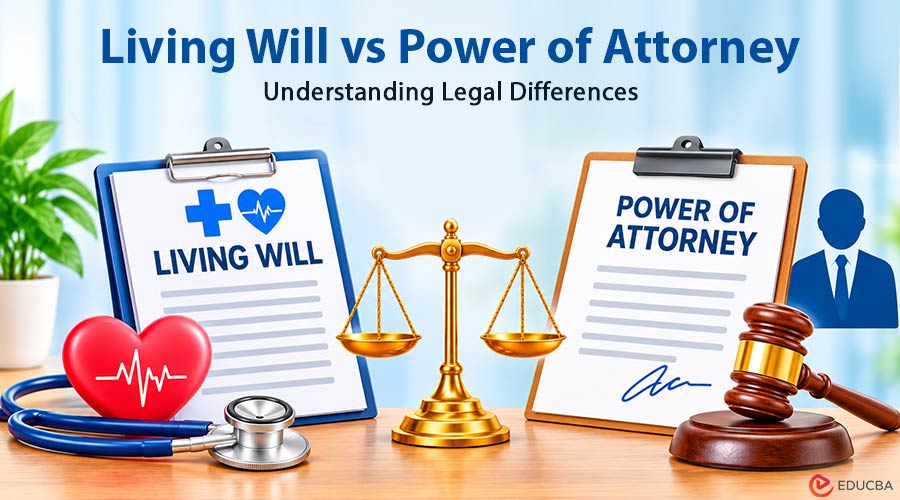
The key distinction in the Living Will vs Power of Attorney discussion is that a living will records medical treatment preferences. In contrast, a power of attorney grants another person authority to make specific decisions on someone’s behalf. These roles should not be confused. Someone who has authority to make healthcare decisions may not have the legal power to negotiate an insurance settlement or manage the injured person’s financial affairs. Likewise, a person authorized to handle finances may not automatically have authority to make medical choices. Families should review their documents rather than assume one appointment covers every situation.
Who Can Handle the Injury Claim?
After an accident, there may be insurance forms to complete, medical bills to organize, and questions about lost income or future treatment. When the injured person cannot communicate, relatives often want to step in and get things moving. However, being a spouse, parent, adult child, or close friend does not automatically give someone authority to make every legal decision for an incapacitated adult. The proper steps depend on the circumstances and the laws that apply.
Understanding the Living Will vs Power of Attorney distinction is especially important when an injury leaves someone unable to communicate or manage their legal and financial responsibilities. A valid financial power of attorney may allow an appointed person to handle certain matters related to the injured person’s affairs, depending on its terms. If no suitable document exists, a court may need to appoint someone to act on the person’s behalf. This is especially important when the injury affects the person’s ability to understand settlement decisions. Getting legal advice early can help the family identify the authority required and avoid preventable delays.
When an Attorney Can Help
Personal injury claims can involve more than dealing with an insurance adjuster. A Myrtle Beach car accident attorney can explain how a claim may proceed, what evidence could support it, and what steps may be needed if the injured person cannot participate. Relevant records may include accident reports, medical bills, treatment notes, insurance correspondence, and proof of lost wages. Keeping these documents together can make it easier to understand the losses involved and respond to requests for information.
Sometimes, the situation raises questions about the medical care the injured person received. If the family believes a healthcare provider’s negligence caused additional harm, a South Carolina medical malpractice attorney can explain whether the facts support a separate claim. A medical malpractice case involves different legal questions from a car accident claim, even if both relate to the same period of treatment. An attorney can help the family understand the distinction and identify any deadlines that need attention.
Sort Out the Paperwork Before You Need It
Nobody likes imagining a serious accident, but planning can spare loved ones from making decisions without clear guidance. Consider who you trust to speak for you about medical care and who could manage your financial affairs if needed. Explain your wishes to those people so they understand what matters to you. A knowledgeable attorney can prepare the required legal documents to comply with state regulations and clearly define the powers you are assigning.
It is also worth revisiting these documents after major life changes, including marriage, divorce, or a change in health. Make sure the people appointed know where the paperwork is kept and how to access it. If someone already has a power of attorney, they should check whether its terms cover the responsibilities they expect the appointed person to handle. A little preparation can make an overwhelming situation easier to manage.
Final Thoughts
Understanding the difference between a living will and a power of attorney can help individuals and families make informed decisions during difficult situations. A living will outlines medical treatment preferences, while a power of attorney gives an appointed person the authority to handle specific responsibilities on someone else’s behalf. Both documents serve important but separate purposes, particularly when a serious injury prevents someone from communicating or managing their affairs. Consulting a South Carolina personal injury lawyer can help families understand the legal steps involved in an injury claim and determine what authority may be required. Preparing these documents in advance can provide loved ones with clearer guidance and reduce uncertainty during an unexpected crisis.
Recommended Articles
We hope this guide to Living Will vs Power of Attorney helps individuals and families understand the differences between medical decision-making authority and legal responsibilities after a serious injury. Explore our recommended articles for more insights into personal injury claims, legal rights, medical malpractice, estate planning, power of attorney documents, and healthcare decision-making.

