


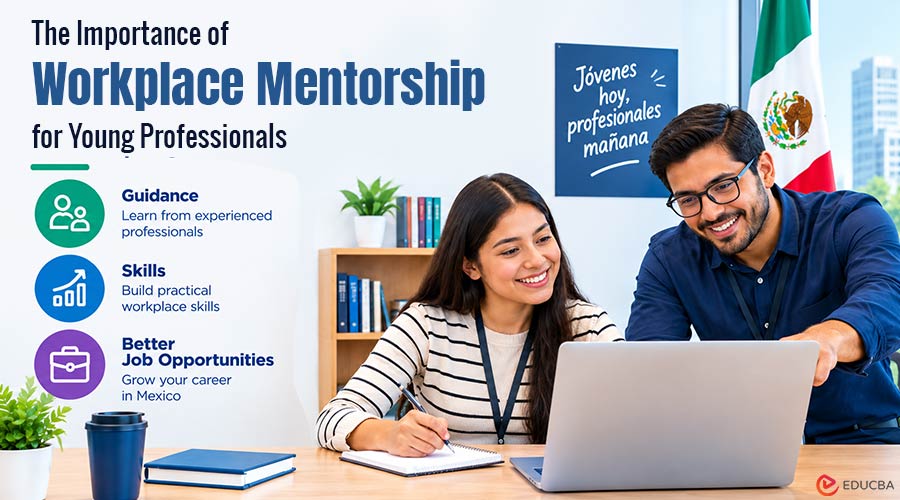
Young adults often face challenges entering the job market because of limited professional experience. Although academic education provides important theoretical knowledge, employers also value practical skills, communication, teamwork, and problem-solving in real workplace situations. Workplace mentorship helps bridge this gap by letting new workers learn from experienced professionals, understand industry expectations, and build confidence in their abilities.
In Mexico, structured youth training initiatives can help young people take their first steps toward professional development. Through supervised learning, practical assignments, and regular feedback, participants can become more familiar with workplace responsibilities while building skills that support their long-term career goals.
Why Workplace Mentorship Matters for Young Professionals?
A mentor can ease the transition from education to employment by providing guidance young workers might not receive in a traditional classroom. Experienced professionals can explain workplace procedures, model effective communication, and help trainees tackle everyday challenges.
Mentorship also encourages continuous learning. Instead of relying solely on theoretical instruction, young adults can observe how experienced colleagues handle responsibilities, manage time, collaborate, and respond to unexpected situations. These experiences can help them develop professional habits valuable across industries.
Connecting Youth Training With Real Employment Opportunities
Practical training works best when participants have meaningful responsibilities and guidance from experienced people. Employers can support this process by establishing clear learning objectives, providing constructive feedback, and gradually introducing trainees to more complex tasks. In Mexico, the Youth Building for the Future scholarship is a relevant example of an initiative that connects young people with workplace training opportunities. The program supports eligible young adults who are not studying or formally employed by providing training in participating workplaces.
This model illustrates how structured learning environments can help participants gain practical experience while becoming familiar with professional expectations. The effectiveness of these initiatives also depends on the quality of guidance participants receive during their training. When young adults have clear learning objectives, access to experienced mentors, and opportunities to practice their skills, they can better understand workplace expectations and identify areas for improvement.
This combination of practical experience and professional support can make the transition from training to future employment more manageable. For young people entering the workforce for the first time, this experience can provide a useful foundation for identifying career interests, building skills, and preparing for future employment opportunities.
How Digital Platforms Support Access to Training Information?
Digital platforms have become an important way for people to access information about educational opportunities, application procedures, and professional development programs. When information is clearly organized, prospective participants can better understand eligibility requirements, prepare the necessary documents, and follow the application process. For individuals researching youth employment initiatives in Mexico, the Youth Building for the Future platform is a relevant reference point for how online access supports participation in structured training programs.
Understanding the platform’s purpose and available procedures can help prospective applicants navigate the process with more confidence. Applicants should always verify current requirements and application availability through the appropriate official channels. Beyond registration, digital access can help young adults become more informed about the opportunities available to them. However, online information works best when combined with practical guidance, reliable mentoring, and clear communication throughout the training experience.
Essential Skills Developed Through Workplace Mentorship
Effective mentorship supports several areas of professional development. These include technical abilities, interpersonal communication, problem-solving, teamwork, and time management. Each skill helps trainees adapt to workplace expectations and become more comfortable handling professional responsibilities. Communication matters because young workers often need to ask questions, receive feedback, explain their progress, and collaborate with colleagues.
A supportive mentor can help them improve these skills through everyday interactions and practical exercises. Problem-solving is another valuable outcome. When trainees face unfamiliar tasks, mentors can guide them to identify challenges, evaluate solutions, and learn from mistakes. This approach encourages independence without expecting inexperienced workers to master every responsibility immediately.
How Can Employers Create Better Mentorship Experiences?
Organizations can strengthen workplace training by treating mentorship as a planned process rather than an informal arrangement. Setting clear goals at the start helps both mentors and trainees understand what progress looks like. Regular check-ins also make a difference. Short conversations about completed tasks, difficulties, and areas for improvement can identify learning gaps before they become persistent problems.
Employers should provide specific, constructive feedback that helps trainees improve. A welcoming workplace culture matters as much. Young adults are more likely to ask questions and learn from their experiences when they feel comfortable asking for guidance. Giving trainees appropriate responsibilities while maintaining supervision helps them build confidence without compromising work quality or safety.
Preparing Young Adults for Long-Term Career Growth
Workplace mentorship is most valuable when it prepares participants for opportunities beyond their initial training period. Practical experience can help young adults recognize their strengths, identify areas for further development, and make more informed career decisions. Combining structured training with digital access to information and consistent professional guidance creates a stronger foundation for employability. For employers, mentorship can also support talent development by helping inexperienced workers understand organizational expectations and contribute more effectively over time.
Ultimately, preparing young adults for employment requires more than teaching them how to complete individual tasks. It involves helping them build the practical skills, professional habits, and confidence they need to navigate a changing job market. When well-organized training opportunities support workplace mentorship, young people can take meaningful steps toward building sustainable careers.
Recommended Articles
We hope this comprehensive guide to workplace mentorship helps you understand how professional guidance and practical training prepare young adults for employment. Check out these recommended articles for more insights into youth development, workplace learning, and career growth.


