


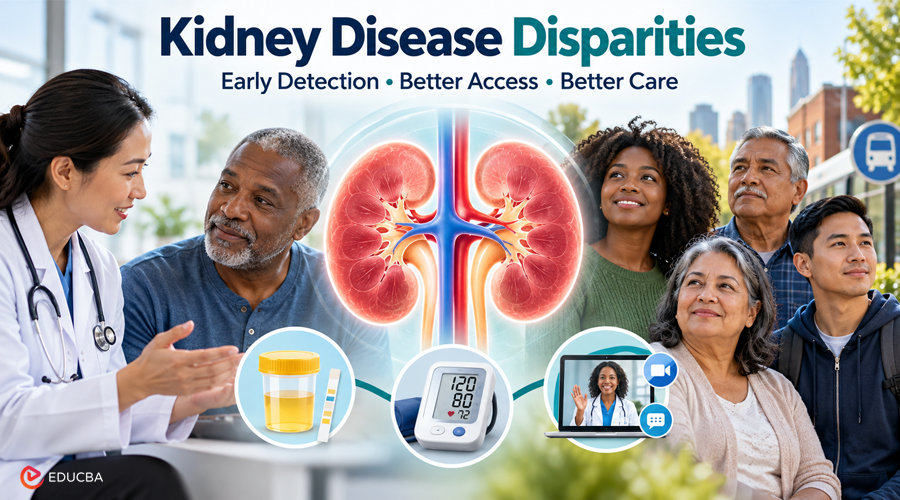
Kidney disease is one of the most underdiagnosed and undertreated conditions globally, quietly affecting hundreds of millions of people across every continent. Unlike more visible illnesses, chronic kidney disease (CKD) often progresses without obvious symptoms until it reaches an advanced stage, making early detection and consistent specialist care absolutely critical. As healthcare systems worldwide grapple with rising patient volumes, physician shortages, and persistent health inequities, addressing Kidney Disease Disparities has become an increasingly urgent priority.
Understanding the Global Burden of Chronic Kidney Disease
An estimated 850 million people worldwide have chronic kidney disease, but many are unaware of their condition. The kidneys perform essential functions, filtering waste, regulating blood pressure, balancing electrolytes, and producing hormones that support red blood cell production. When these organs begin to fail, the consequences ripple through nearly every body system. Cardiovascular disease, anemia, bone disorders, and metabolic imbalances are all common complications of declining kidney function.
The primary drivers of CKD include diabetes, hypertension, obesity, and genetic predisposition. In regions where these conditions are prevalent and healthcare access is limited, kidney disease rates are particularly high. These differences highlight the broader issue of Kidney Disease Disparities, particularly among populations with limited access to preventive screening and specialist services. What makes this especially troubling is that many patients do not receive a formal diagnosis until they are already in the later stages of the disease, when treatment options become significantly more limited and costly.
Why Early Intervention Matters?
Nephrology specialists emphasize that early-stage CKD is highly manageable with the right combination of lifestyle modifications, medication, and monitoring. Blood pressure control, dietary adjustments, and careful blood sugar management can dramatically slow the progression of kidney damage. Patients who engage with a nephrologist early in their diagnosis tend to have significantly better outcomes than those who only seek specialist care once dialysis or transplantation becomes necessary.
Routine screening, particularly for high-risk populations such as people with diabetes, hypertension, and those with a family history of kidney disease, is one of the most effective tools available. Simple urine and blood tests can help detect early signs of kidney problems, allowing doctors to start treatment before the damage becomes permanent. Expanding access to these screening services is also an important step toward reducing Kidney Disease Disparities and improving long-term outcomes.
Racial and Socioeconomic Kidney Disease Disparities
Kidney disease affects some racial and ethnic groups more than others. Studies show that Black Americans are nearly four times more likely to develop kidney failure than white Americans. This difference is linked to several factors, including genetics, higher rates of diabetes and high blood pressure, financial difficulties, and unequal access to healthcare.
A detailed examination of the racial Kidney Disease Disparities driving health outcomes reveals that these gaps are not inevitable; they are influenced by structural inequalities that can and must be addressed through targeted policy, community outreach, and culturally competent clinical care. Improving access to nephrology services in underserved communities, increasing diversity in clinical trials, and addressing social determinants of health are all essential steps toward closing this gap.
The Role of Genetics and Environment
Genetic variants such as APOL1 have been identified as significant contributors to the elevated risk of kidney disease in individuals of West African descent. However, genetics alone do not explain the full picture. Environmental stressors, chronic pollutant exposure, food insecurity, and limited access to preventive care all compound genetic risk factors. Addressing kidney disease disparities therefore requires a multi-pronged approach that extends beyond the clinic and into the communities where patients live, work, and eat.
The Physician Shortage and Its Impact on Nephrology
As demand for kidney care grows, the supply of qualified nephrologists and primary care physicians struggles to keep pace. Healthcare systems in developed and developing nations alike face a significant physician shortage, a crisis that threatens to widen existing gaps in care. Patients in rural or underserved areas may wait months to see a specialist, and by the time they do, their condition may have advanced considerably.
These workforce challenges can worsen Kidney Disease Disparities, particularly for patients who already face financial, geographic, or systemic barriers to healthcare. Telemedicine has emerged as a promising partial solution to this access problem. Experts advocating for expanded telemedicine and primary care reform argue that virtual consultations, remote monitoring tools, and AI-assisted diagnostics can help bridge the gap between patient need and specialist availability. For nephrology in particular, remote monitoring of blood pressure, fluid retention, and lab values can let nephrologists manage larger patient panels more efficiently without compromising care quality.
Integrating Technology with Compassionate Care
Technology does not replace the nuanced, relationship-driven care nephrology demands. Managing a patient through progressive kidney disease, dialysis, or transplantation requires deep trust, ongoing communication, and a thorough understanding of the patient’s full medical and personal context. The most effective care models combine technological efficiency with human expertise, using data to inform decisions while keeping the patient’s lived experience at the center of every clinical choice.
When implemented thoughtfully, telemedicine and digital health tools can also help address Kidney Disease Disparities by connecting patients in remote or underserved communities with specialists. However, equitable implementation requires reliable internet access, affordable technology, patient education, and appropriate clinical support. These measures help ensure that digital healthcare solutions improve access rather than create additional barriers.
World-Class Nephrology Care in the Middle East
As demand for high-quality kidney care grows across the Gulf region, patients and families increasingly seek centers that combine clinical excellence with a patient-centered philosophy. For those seeking nephrology Abu Dhabi services, Cleveland Clinic Abu Dhabi offers a comprehensive, internationally accredited program staffed by experienced nephrologists who specialize in the full spectrum of kidney conditions, from early-stage CKD management to complex dialysis programs and transplant evaluation. The department’s approach integrates the latest diagnostic technologies with individualized care plans tailored to each patient’s unique medical profile and lifestyle.
Cleveland Clinic Abu Dhabi’s nephrology team collaborates closely with specialists in cardiology, endocrinology, urology, and transplant surgery, ensuring patients with complex, multi-system conditions receive coordinated, holistic care. This multidisciplinary model reflects the understanding that kidney disease rarely exists in isolation; it is almost always intertwined with other chronic conditions that must be managed simultaneously and strategically.
Serving a Diverse Patient Population
Abu Dhabi’s diverse, multicultural population presents unique clinical considerations. Patients from different ethnic backgrounds carry varying genetic risk profiles, dietary habits, and cultural attitudes toward healthcare. A world-class nephrology program must navigate this diversity with sensitivity and expertise, offering care that is not only medically sound but also culturally responsive. Cleveland Clinic Abu Dhabi’s team is trained to meet patients where they are, providing education and support in ways that resonate with each individual’s background and values.
Final Thoughts
Kidney disease is a global challenge that demands a global response one that addresses systemic inequities, embraces technological innovation, and puts expert specialist care within reach of every patient who needs it. Whether barriers are geographic, economic, or structural, the goal remains the same: detect kidney disease early, treat it effectively, and support patients with compassion and clinical precision at every stage of their journey.
For individuals and families navigating kidney health concerns, the message is clear: do not wait for symptoms to seek evaluation. Regular screening, early specialist consultation, and access to quality kidney care can help prevent serious complications. Reducing Kidney Disease Disparities requires healthcare providers, policymakers, and patients to work together to improve prevention, expand access to treatment, and address healthcare inequalities. The future of kidney care depends on ensuring that everyone receives timely, fair, and effective treatment.
Recommended Articles
We hope this guide helps you understand kidney disease disparities, their causes, and how early detection and equitable healthcare can improve patient outcomes. Explore our recommended articles for more insights on kidney health, chronic disease management, preventive care, healthcare access, and medical advancements.

