


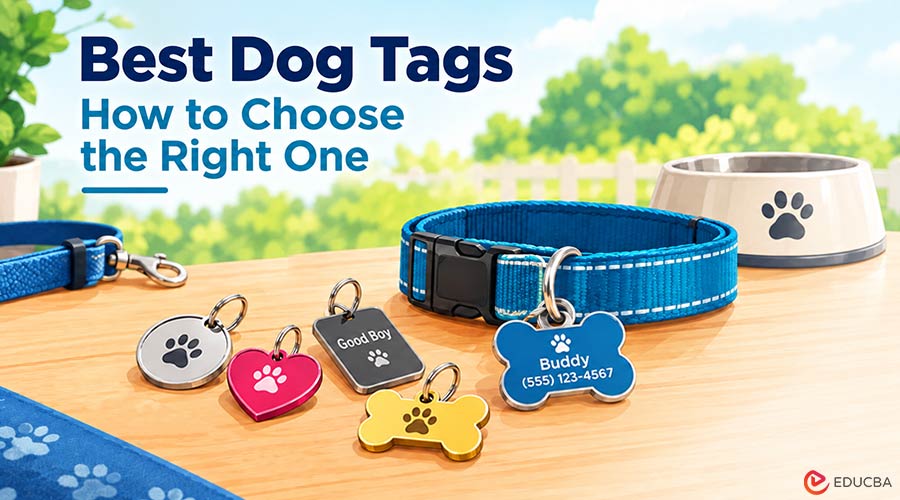
Every year, countless dogs slip out of a gate, bolt during a thunderstorm, or wander off on a walk. The ones who make it home fastest usually have one thing in common: a clear, readable ID tag on their collar. Microchips are essential, but they require a scanner and a trip to a vet or shelter. A tag works the moment a neighbor kneels and reads it. So where should you actually buy one? The answer depends on what matters most to you: speed, price, durability, or personalization. Here is an honest look at your options, what each does well, and how to choose among the best dog tags that will still be legible years from now.
What Makes a Dog Tag “the Best”?
Before comparing places to shop, it helps to know what you’re shopping for. A personalized dog tags gets a few things right.
- Readability: Deep, crisp engraving with enough contrast to read at a glance. Faint etching that wears smooth in six months defeats the purpose.
- Durable material: Stainless steel and anodized aluminum are the most common choices. Stainless steel resists scratches and wears best, and comes in multiple plated finishes like silver, gold, rose gold, and black. Aluminum is lighter and takes full-color printing well. Brass looks classic but tarnishes over time.
- The right information: At minimum, your phone number. Many owners add a second number, the dog’s name, and a short note like “I’m microchipped” or “Needs medication.”
- Secure attachment: Cheap thin split rings are where many tags get lost. Look for a heavy-duty 20 mm stainless steel split ring, or a slide-on or rivet-on design that sits flat against the collar.
- Comfort and noise: Small dogs do better with lightweight tags, and some owners prefer silicone silencers or slide-on tags to stop the constant jingle.
Where to Find the Best Dog Tags for Different Needs?
Consider these options based on your dog’s needs, your budget, and how quickly you need a tag.
1. Dedicated Personalized Pet ID Brands
Specialty pet ID brands often offer a good mix of durability, design, and personalization. For example, PawFurEver handcrafts stainless steel tags in four shapes, four finishes, and ten designs, with deep laser engraving. Owners can add up to 80 characters or choose a QR code linked to their pet’s profile.
Best for: A long-lasting tag you won’t need to replace, plus more ways to personalize it.
The trade-off: You’ll usually wait a few days for shipping, so order before you need it rather than after your dog gets out.
2. Online Marketplaces
Big marketplaces like Amazon offer an enormous range of tags at nearly every price point, often with fast shipping.
Best for: Browsing lots of styles quickly and finding budget options.
The trade-off: Quality varies widely, and it can be hard to tell who actually made the tag. Read reviews carefully, look for photos from real buyers showing engraving depth after months of use, and check the listed material rather than assuming it’s stainless steel.
3. Self-Serve Kiosks at Pet Stores
Many large pet retailers have engraving machines near the checkout where you pick a blank, type your details, and walk away with a tag in minutes.
Best for: Getting a tag today, especially for a new adoptee.
The trade-off: Shape and font choices are limited, and the machine engraving is often shallow. These tags are a fine starting point, but many owners find the text fades faster than they’d like, especially on active dogs who swim or play rough.
4. Independent Makers and Craft Platforms
Handmade shops are a great source for unique designs such as hand-stamped tags, wooden tags, or artistic shapes.
Best for: One-of-a-kind style and supporting small creators.
The trade-off: Hand-stamped letters can be charming but less uniform, and turnaround times vary. Some decorative materials look beautiful but aren’t built for daily outdoor wear, so ask the maker how the tag holds up to water and friction.
5. Your Veterinarian or Local Shelter
Some vet clinics and shelters provide basic tags, especially rabies tags or temporary ID for newly adopted pets.
Best for: A free or low-cost temporary solution.
The trade-off: These are usually basic and not meant to be your dog’s permanent ID. Think of them as a bridge until you get a proper personalized tag.
Traditional Engraved Tags vs. QR Smart Tags
One of the biggest shifts in pet ID is the rise of QR code tags. Here’s how they compare.
Traditional Engraved Dog Tags
Traditional engraved tags are simple and universal. Anyone can read them instantly, no phone or signal required. Space is more limited than a scannable profile, but a well-designed tag can still hold 60-80 characters per side – enough for a full contact block.
QR Smart Dog Tags
QR smart tags can be scanned with any smartphone camera to open an online profile. That profile can hold multiple contact numbers, your address, medical needs, vet details, and a photo, and you can update it anytime without buying a new tag.
Some brands also include a scan alert or location ping, check the specific product page for whether that feature is included. Many owners choose a tag that does both: the phone number engraved directly on the tag, plus a QR code for everything else. That way, the finder has a backup even if their phone is dead.
Tips for Buying a Dog Tag That Actually Works
The right tag should suit your dog’s size, lifestyle, and identification needs. Keep these factors in mind before buying.
- Put your phone number first: If space is tight, your number matters more than your dog’s name. Some owners even leave the name off so a stranger can’t use it to lure the dog.
- Match the size to your dog: A large tag on a tiny breed is heavy and annoying; a tiny tag on a big dog is hard to read. Check the dimensions before ordering.
- Replace worn tags promptly: Run your thumb over the engraving every few months. If it’s getting smooth, it’s time for a new one.
- Update after every move or number change: An outdated tag is almost as bad as no tag. This is where updatable QR tags earn their keep.
- Keep your microchip registration current too: The tag and the chip work as a team. Make sure the contact info on both matches.
- Consider a backup: Many owners keep a second tag on a spare collar or harness, especially for dogs who travel, hike, or stay with sitters.
Final Thoughts
The best dog tags depend on your timeline and priorities. A pet store kiosk will get you out the door today. Marketplaces and handmade shops offer variety and style. But if you want a tag that stays readable, fits your dog comfortably, and gives a finder everything they need to bring your pup home, a dedicated personalized pet ID brand is usually worth the short wait. Whatever you choose, the most important step is simply making sure your dog wears a current, legible tag every single day. It takes a few minutes to set up and could save you hours of panic.
Frequently Asked Questions (FAQs)
Q1. What information should go on a dog tag?
Answer: Your primary phone number is essential. After that, consider a second number, your dog’s name, and a short line such as “Microchipped” or “Needs meds.” Check your local laws too, since some areas require a license or rabies tag to be worn.
Q2. What’s the most durable material for a dog tag?
Answer: Stainless steel generally holds up best against scratching, chewing, and water. Anodized aluminum is a good lightweight option if you want color.
Q3. Are QR code dog tags worth it?
Answer: For many owners, yes. They let you share far more information than an engraved tag can hold, and you can update the details without replacing the tag. Choosing one that also has your number engraved gives you the best of both.
Q4. How often should I replace my dog’s tag?
Answer: Replace it whenever the engraving becomes hard to read, or your contact details change. For active dogs, that might be every year or two with lower-quality tags; a well-made, deeply engraved tag can last much longer.
Recommended Articles
We hope this guide to the best dog tags helps you choose a durable and reliable option for your pet. Check out these recommended articles for more helpful tips and insights on pet care.

