

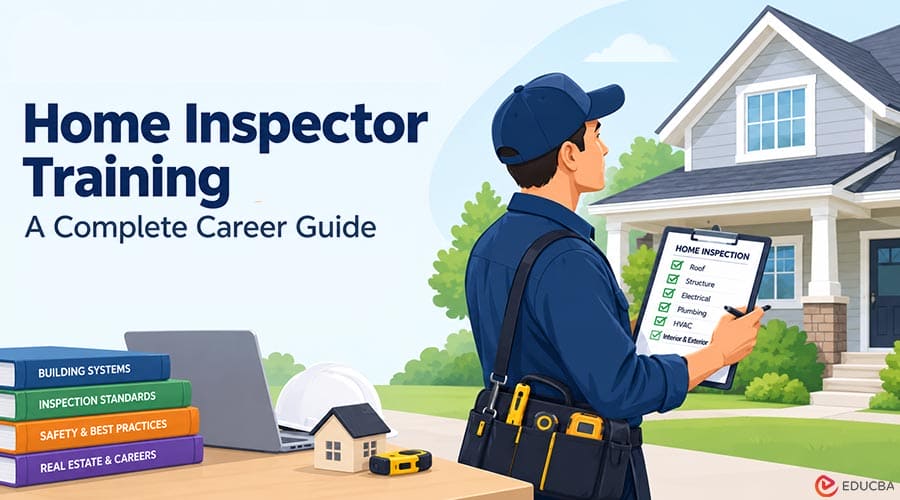
Every home tells a story, and part of a home inspector’s job is learning how to read it. A small crack, an unusual stain, a noisy HVAC system, or outdated wiring can all reveal something about a property’s condition. Home inspector training teaches aspiring professionals how to identify these clues, understand their potential significance, and communicate their findings clearly to clients. If you are thinking about entering the profession, here is what you can generally expect from the training process.
Learning How Homes Are Put Together
One of the biggest parts of home inspector training is learning about the systems and components that make up a residential property. Courses typically cover areas such as roofing, foundations, electrical systems, plumbing, heating and cooling, insulation, ventilation, interiors, and exteriors. You may also learn how different building materials age, what common defects look like, and which warning signs could indicate a more serious issue.
The goal is not necessarily to make you an expert tradesperson in every area. Instead, training helps you gain enough knowledge to spot potential concerns and know when a specialist should evaluate the property further.
Developing a Systematic Inspection Process
A thorough inspection requires more than simply looking around a property. Home inspectors need a consistent process to evaluate each part of the home without overlooking important details. During training, you may learn how to work through a property in a logical order, checking areas such as the roof, exterior walls, foundation, attic, basement, electrical panel, plumbing fixtures, windows, doors, and major systems. A routine can make inspections more efficient while also helping ensure each property receives the same level of attention.
Understanding Licensing Requirements
The rules for becoming a home inspector can differ depending on where you intend to work. Some states require approved education, examinations, supervised inspections, insurance, or other qualifications before you can operate professionally.
For example, anyone planning to work in Alabama should get familiar with the requirements for earning an Alabama home inspector license. Researching state-specific requirements early on can help you choose the right training and understand the steps you will need to complete before starting your career.
Learning How to Write Inspection Reports
Spotting a problem is only one part of an inspector’s job. You also need to explain your findings in a way that clients can easily understand. Training commonly includes instruction on writing clear inspection reports, documenting defects, adding photographs, describing locations, and recommending appropriate next steps. This communication matters because buyers and homeowners may use your report to make significant decisions about repairs, negotiations, or property purchases.
Gaining Practical Experience During Home Inspector Training
Studying roofing materials or electrical systems in a course is useful, but applying that knowledge in a real property is where many skills begin to click. Depending on your training program and local requirements, you may take part in supervised inspections, practical exercises, or simulated property assessments.
These experiences can help you become more confident identifying common defects and navigating different types of homes. They also give you a better idea of how inspections work in real-world situations, where no two properties are exactly alike.
Preparing for a Career in Home Inspection
Home inspector training combines technical knowledge, observation, practical skills, and effective communication. There is plenty to learn, particularly when you are first introduced to the many systems within a property.
With structured training and practical experience, however, you can gradually build the knowledge needed to approach inspections confidently and consistently. For people who enjoy property, problem-solving, and a career that rarely involves spending every day behind a desk, home inspection can offer an interesting professional path.
Recommended Articles
We hope this guide to home inspector training helps you understand the skills and steps involved in building a career in home inspection. Check out these recommended articles for more insights into professional training and career development.