


A friend who runs a small skincare shop tried influencer marketing last spring. She picked six local creators, mailed out product, and spent most of April in her DMs. Two people posted on time. One used the wrong discount code. Another went quiet for three weeks and then sent an invoice.
By May, she had spent around $900 and had no idea whether any of it brought in a customer. She did not quit because influencers do not work. She quit because managing them felt like a second job.
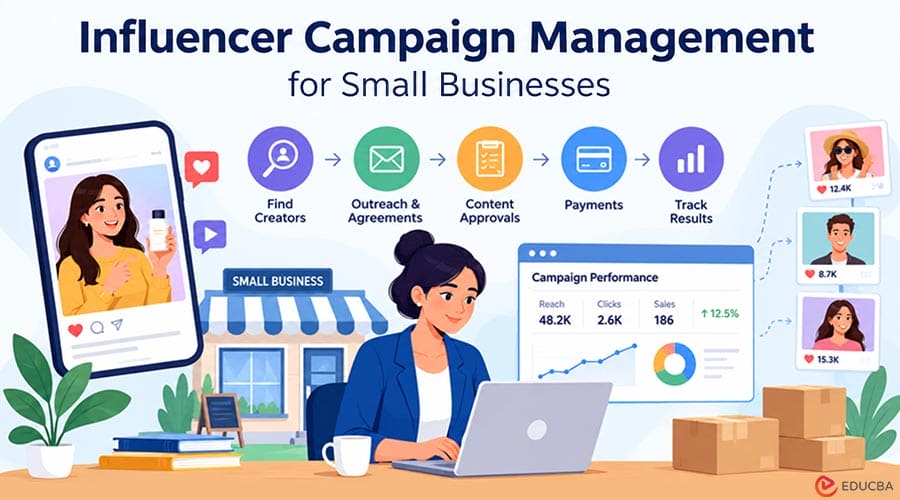
Brands spent an estimated $32.55 billion on influencer marketing in 2025, according to Influencer Marketing Hub’s annual benchmark report, and more of that money now comes from local shops, franchises, and small online brands. What changed for them was not the creators. It was the tools for handling the busywork. Influencer campaign management helps bring creator discovery, outreach, content approvals, payments, and performance tracking into a more organized workflow.
Why Working With Creators Used To Be So Hard
The strategy side is pretty well covered. MerchantCircle already has a good primer on unlocking the potential of influencer marketing for a business if readers want the basics. Where small teams usually got stuck was the day-to-day part.
Finding people meant scrolling hashtags and guessing. A creator could have 40,000 followers and almost none of them in a business’s city, or a portion of the audience could be inactive or inauthentic.
Then came the admin. Messages, rates, shipping samples, chasing drafts, and paying everyone through whatever app they preferred added another layer of work. One creator might use PayPal, another Venmo, and a third might prefer a bank transfer.
At the end, most owners measured success by likes because setting up proper tracking felt like too much work on top of everything else.
Platform choice matters here as well. Businesses that have not settled on where their customers actually spend time online can benefit from reviewing the best social media platforms for small business first. A great creator on a channel that a target audience ignores is unlikely to generate meaningful results.
Finding Creators Was Never The Real Problem
Most reviews of these tools talk about search filters and how many creators are in the database. However, that matters least for many small businesses.
Creators can be found manually with enough patience. What consumes time is everything after the initial discovery. Therefore, businesses evaluating a tool should ask a practical question: which hours of the week can the platform give back?
That is where influencer campaign management becomes useful. Instead of treating creator discovery as the entire process, businesses can use a structured workflow to manage the activities that follow the initial match.
What Influencer Campaign Management Should Handle For You
Matching Creators To The Right Audience
Follower count tells very little about whether a creator is suitable for a campaign. Businesses need to understand where an audience lives, its approximate age, and whether followers actively comment and click or scroll. A bakery in Tampa will usually get more out of a local food account with 8,000 real followers than a national lifestyle page with 200,000.
Aspire, GRIN, and Upfluence are full suites built for teams that want high control. Collabstr works more like a marketplace where businesses can browse profiles and book creators. Another group of platforms is increasingly using AI to handle more of the process.
Hypefy falls into that last group. Businesses can describe what they want, and the influencer marketing platform can write a campaign brief, suggest Instagram and TikTok creators that fit the requirements, and handle outreach.
The right option depends on how a business operates. A company with a dedicated marketing employee may benefit from detailed controls. In contrast, a franchise owner with six locations and limited time may value automation more.
Outreach And Agreements
Many do-it-yourself initiatives stall here. It can take an hour or more per creator to write messages, follow up, and decide what gets uploaded and when.
Document the terms for every collaboration. These terms can cover the publishing date, number of posts, and whether the brand can subsequently use the content in its own advertisements. The final point, often one of the most important parts of the agreement, is sometimes overlooked.
A structured influencer campaign management process keeps these details connected to each creator, rather than scattering them across separate emails, messages, and documents.
Reviewing Content Before It Goes Live
Seeing the draft before publication can prevent incorrect prices, missing discount codes, and unsupported health or income claims. Hypefy includes this review step, as do many of its larger competitors, so the brand sees the post before it reaches the audience’s feed.
The review process should also check the disclosure. The FTC’s Disclosures 101 for social media influencers states that paid partnerships must be clearly labeled. Even if the creator adds the disclosure, a missing or unclear disclosure can still create problems for the brand.
Payments And Tracking
Paying 15 creators manually can quickly become complicated, especially when financial records and tax documentation are involved. Payments are easier to manage when they run through the same system as the campaign. In Hypefy’s case, creator payments and live reporting sit side by side, so businesses can see campaign spending and results without exporting several spreadsheets.
For small businesses, this is one practical benefit of influencer campaign management. Keeping campaign spending, creator activity, and results together makes it easier to determine whether the work is producing measurable business outcomes.
Tracking should also move beyond reach and impressions. Website visits, discount-code redemptions, bookings, and physical store visits can provide more meaningful evidence of campaign performance. If a tool cannot connect creator activity with measurable actions, businesses should consider whether the platform provides enough value.
Why This Matters Most With Micro-Influencers
Many small businesses may find it more practical to work with several smaller creators rather than one major name. Coruzant’s piece on how micro-influencers shape consumer buying decisions makes the case well: their fees are generally lower, allowing businesses to spread a budget across more creators and reach audiences that fit their customer base.
The trade-off is volume. Ten micro-creators can mean ten conversations, ten drafts, and ten payments. That’s where a system can start paying for itself, while manual coordination can quietly reduce the savings of working with smaller creators.
Where The Tools Still Come Up Short
No software fixes a weak offer. If customers do not want a product at its price, better creator matching presents the offer to people unlikely to buy.
AI matching also depends heavily on the information provided. A brief such as “We sell candles” can produce generic suggestions. A more specific description such as “Soy candles for renters in Austin who care about clean ingredients” gives the system more useful information for creator selection.
Cost is another consideration. Businesses planning only one or two collaborations a year may find a monthly subscription doesn’t justify the expense. In addition, no tool replaces a strong creator relationship. Creators who feel treated like partners may put more effort into their content and remain open to future campaigns.
Try It For 30 Days First
A small business does not need a large budget to determine whether influencer marketing can produce useful results.
During the first week, the business can choose one product and one measurable target, such as 50 discount-code redemptions or 30 bookings. Keeping the initial campaign narrow makes the results easier to evaluate.
In week two, the business can create a specific brief and shortlist eight to ten micro-creators whose followers match its customers by location and interests.
Week three can focus on reviewing drafts. Check the offer, discount code, and required disclosure before every post goes live.
In week four, the business can compare the results against the original target rather than focusing primarily on likes. The final review should identify which creators drove meaningful actions and which generated views without measurable conversions.
If the campaign works, the business has a template it can repeat. If it does not, the company has still spent a limited amount on samples and creator fees while gaining useful information about its market.
Signs A Business Needs Influencer Campaign Management
For two or three creators, a spreadsheet and one inbox may be sufficient. A dedicated tool makes more sense once a business works with more than five creators a month, spends several hours a week coordinating, manages multiple locations, or struggles to connect sales with creator posts.
As the number of creators grows, influencer campaign management becomes less about finding another creator and more about keeping every campaign activity organized. This distinction can help small businesses determine when dedicated software is worth the cost.
Final Thoughts
For small businesses, creator marketing does not have to become another time-consuming task. The right influencer campaign management approach can bring creator discovery, outreach, content approvals, payments, and performance tracking into a more organized workflow. This makes it easier for small teams to manage multiple collaborations without losing track of costs or results.
The goal is not to work with as many creators as possible. Instead, businesses can start with a focused campaign, choose creators whose audiences match their customers, and track actions that matter to their business. Once a process proves effective, it can become a repeatable framework for scaling creator partnerships with greater confidence.
Recommended Articles
This guide to influencer campaign management helps small businesses understand creator discovery, campaign coordination, content approvals, payments, and performance tracking. Readers can explore these recommended articles for more insights into influencer marketing, social media strategies, creator partnerships, and digital marketing tools.


