


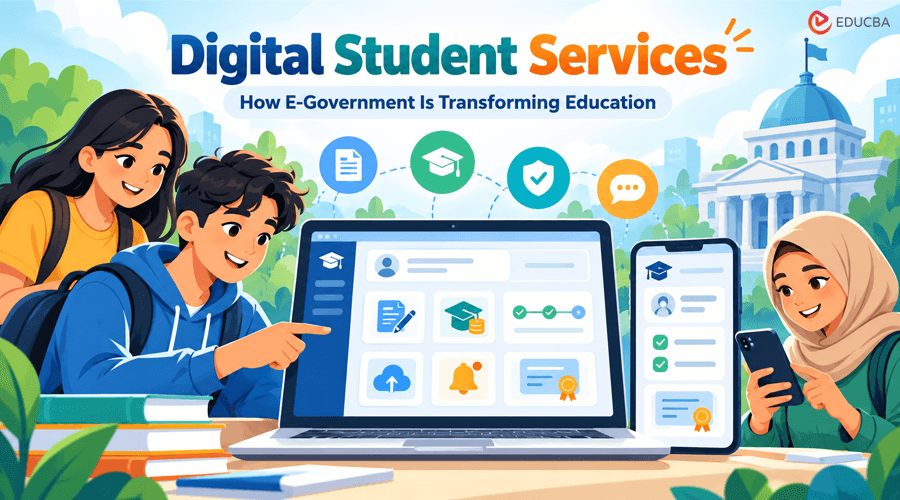
Education is no longer limited to classrooms, textbooks, and face-to-face interactions. As governments and educational institutions adopt digital technologies, students and families increasingly use online services to access information, complete administrative procedures, track applications, and learn about financial support.
This convergence of education and e-government is creating a new generation of digital student services. These services can make educational systems easier to navigate while also creating new challenges related to accessibility, digital literacy, privacy, and reliable information.
What Are Digital Student Services?
Digital student services are online tools and platforms that help students and families interact with educational institutions or public programs.
They can include:
- Online applications and registrations
- Scholarship and financial-aid information
- Application status checking
- Digital document submission
- Student identification and verification
- Online appointment systems
- Notifications and payment information
- Educational guidance and support
- Digital records and certificates.
Instead of requiring students to visit an office for every administrative task, many processes can now begin or be completed online.
Why E-Government Matters to Education?
E-government refers broadly to the use of digital technologies by public institutions to provide information and services to citizens.
Education is an important area for this transformation because students frequently interact with public institutions throughout their educational journey. They may need to apply for financial assistance, verify information, submit documents, check application progress, or receive announcements.
When these services become available online, students can access them regardless of traditional office hours or geographical distance.
However, digitalization is not simply about moving a paper form onto a website. Effective digital student services should make information easier to understand, processes easier to follow, and communication more accessible.
Scholarships as an Example of Digital Student Services
Scholarship programs demonstrate particularly well how education and e-government can intersect.
Students and families often need information about eligibility requirements, applications, documentation, deadlines, selection processes, and payment schedules. Digital platforms can bring much of this information together.
The Rita Cetina Scholarship in Mexico provides a useful example of why accessible digital information matters. As families navigate scholarship procedures, they may need to understand application requirements, find relevant announcements, follow administrative updates, and know where to get official information.
The broader lesson extends beyond one scholarship program: students benefit when educational assistance programs provide clear digital pathways from information discovery to application and follow-up.
From Application to Status Tracking
One of the most useful developments in digital student services is the ability to follow an administrative process after submitting an application.
Traditionally, applicants might have needed to contact an office repeatedly to find out whether paperwork had been received or whether an application had progressed.
Digital status systems can provide a more convenient alternative. Depending on the program, applicants may be able to review information online and determine whether they need to take additional action.
This creates a more transparent digital journey:
Information → Application → Verification → Status → Notification → Support
Each stage represents an opportunity to reduce confusion and improve communication between public programs and the people they serve.
The Importance of Accurate Educational Information
As more education services move online, information quality matters more than ever.
Students may encounter information on government websites, school sites, social media, blogs, forums, and other online sources. Not all of these sources have the same level of authority or accuracy.
For important matters such as scholarships, applications, documentation, and payments, users should distinguish between official information and third-party explanations.
Educational information websites can support users by explaining complicated processes in accessible language and helping them understand what information to look for. However, users should ultimately verify important requirements, dates, and decisions through the relevant official sources.
Benefits for Students and Families
Digital student services can provide several practical advantages.
- Greater Accessibility: Students may be able to access information without traveling to a government or educational office.
- Faster Communication
- Digital notifications and online updates can reduce dependence on physical correspondence.
- Better Convenience: Students and parents can often review information from computers or smartphones at a time that suits them.
- Improved Transparency: Status tracking and digital records can make administrative processes easier to follow.
- Wider Reach: Online services can connect educational programs with people living far from major cities or administrative centers.
Challenges of Digital Student Services
Digital transformation also creates challenges.
The digital divide remains an important consideration. Not every student has reliable internet access, a suitable device, or the digital skills necessary to navigate complicated websites.
Privacy and cybersecurity also raise concerns. Educational systems may handle sensitive personal information, making appropriate security practices essential.
Another challenge is information overload. A digital service may provide all the necessary information but still be difficult to use if instructions are unclear or scattered across multiple pages.
For this reason, successful digital student services need to prioritize both technology and usability.
The Role of Mobile Technology
Smartphones are becoming an important gateway to digital services. Students and parents may rely on mobile devices rather than desktop computers to search for educational information, receive notifications, and access online platforms.
This means educational and government services should consider mobile-friendly design, simple navigation, readable content, and accessible interfaces.
A service that works well technically but is difficult to navigate on a smartphone can still create barriers for users.
What Does the Future Hold?
The next stage of digital student services will likely involve greater integration among educational institutions, government programs, digital identity systems, communication platforms, and automated services.
Artificial intelligence may also help users navigate complex information, while improved databases make it easier to connect applications and records across different services.
Nevertheless, technology should support—not replace—the human side of education. Students will still need clear explanations, accessible support, and reliable channels for resolving problems.
Final Thoughts
The meeting point between education and e-government is creating a broader digital ecosystem for students and families. From scholarship information and application processes to status tracking and online communication, digital services are changing how people interact with educational programs.
Programs such as the Rita Cetina Scholarship illustrate the importance of making educational assistance information accessible and understandable in a digital environment.
The future of education technology therefore extends beyond online classrooms. It also includes the systems that help students discover opportunities, complete administrative procedures, track applications, and access the information they need throughout their educational journey.
Recommended Articles
We hope this guide helps you understand digital student services, including e-government education, online applications, scholarships, status tracking, and digital records. Explore our recommended articles for more insights on EdTech, digital education, e-government, student services, and education technology.


