


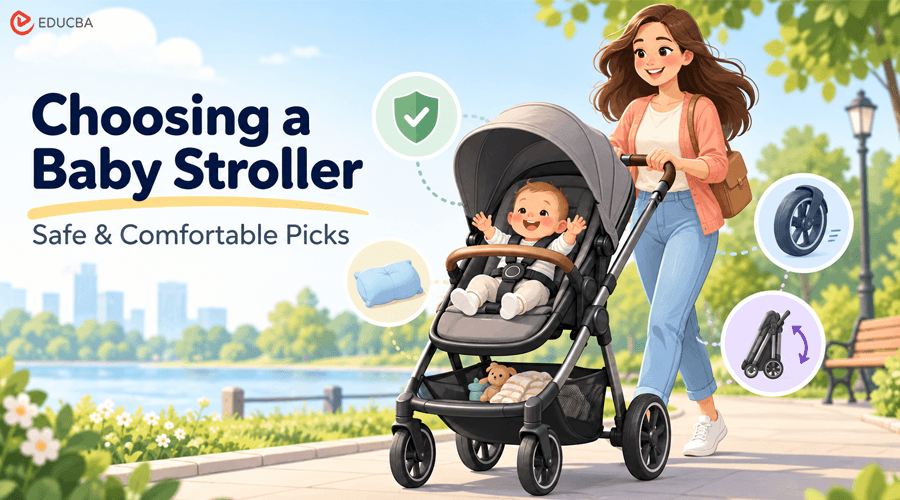
Choosing a stroller is an important step when preparing for a new baby. Parents want something safe, comfortable, and easy to use during daily walks, shopping trips, and family outings. With so many designs available, knowing what to check before buying can make the decision easier.
If you are wondering how to choose a baby stroller, start by thinking about your baby’s age, your daily routine, and the places where you plan to use it. The right stroller should support your child’s needs while making everyday travel more convenient. Choosing a baby stroller carefully can also help you find a model that suits your family’s lifestyle and long-term needs.
How to Choose a Baby Stroller for Your Needs?
Before comparing brands and prices, consider how you will use the stroller. A model that works well for city walks may not suit parents who travel often or live in a home with stairs.
Think about these questions:
- Will you use it for newborns, older babies, or toddlers?
- Do you need a stroller for daily walks or occasional outings?
- Will you use public transport or travel by car?
- Do you have enough storage space at home?
- Do you need a lightweight stroller that folds quickly?
Your answers will help you choose the right stroller and avoid paying for features you do not need. These considerations are key to choosing a baby stroller that fits your everyday routine.
Check Important Safety Features When Choosing a Baby Stroller
Safety should always come before appearance or extra features. A stroller should provide reliable support and keep your baby secure during every trip.
Look for a Secure Harness
Choose a stroller with a secure five-point harness that holds your baby at the shoulders, waist, and between the legs. Check that the straps adjust easily as your child grows and stay firmly fastened during use.
Check the Brakes and Frame
Test the brakes before buying. They should lock the wheels securely and remain easy for you to operate. The frame should feel sturdy, with no loose parts or sharp edges. Also, check that the stroller has a wide, stable base and does not tip easily. Follow the manufacturer’s instructions about weight limits and safe use. These safety checks are essential when choosing a baby stroller for regular use.
Choose a Comfortable Seat
Your baby should have enough support to sit comfortably during walks. Look for a padded seat with suitable back support and adjustable recline positions. For newborns, choose a stroller specifically approved for newborn use. Some models offer a fully reclining seat, while others require a compatible infant car seat or bassinet.
Other comfort features include:
- Soft, breathable seat fabric
- Adjustable footrests
- A large canopy for shade
- Good airflow during warm weather
- A smooth ride over everyday surfaces
A comfortable stroller can make outings more pleasant for both parents and babies. Considering these features can make choosing a baby stroller easier when comparing different models.
Compare Different Stroller Types
Different stroller designs suit different family needs. Understanding their features can help you choose a practical option.
Full-Size Strollers
Full-size strollers often provide padded seats, storage baskets, adjustable handles, and extra comfort features. They can work well for regular walks and everyday use, but some models are heavy or bulky.
Lightweight Strollers
Lightweight strollers are easier to carry, fold, and store. They are useful for shopping trips, public transport, and travel. However, check the seat support and age requirements before choosing one for a young baby.
Travel Systems
A travel system combines a stroller with a compatible infant car seat. It makes moving between the car and stroller more convenient, as long as the components are approved for use together.
Jogging Strollers
Jogging strollers are designed for active parents. They often have larger wheels and features that improve stability in motion. Use them only according to the manufacturer’s age and activity guidelines.
Consider Folding and Storage
A stroller may look perfect in a store but feel inconvenient in everyday life. Before purchasing, try folding and unfolding it yourself. Check whether you can manage the folding process while holding other items. If you drive regularly, measure your car’s trunk to make sure the folded stroller fits.
A compact design can also help if you live in a small apartment or need to store the stroller near your entrance. Folding and storage requirements are therefore worth considering when choosing a baby stroller.
Check Wheels and Handle Height
Wheel design affects how easily a stroller moves across different surfaces. Larger wheels may work better on uneven paths, while smaller wheels can be easier to handle in shops and narrow spaces. Swivel front wheels help with turning, and lockable wheels can provide more control on certain surfaces. Test the stroller on the types of paths you use most often.
Handle height matters, too. Parents of different heights should check whether the handle feels comfortable and allows them to walk without bending or stretching. These features can make choosing a baby stroller easier for everyday walks and outings.
Review Cleaning and Maintenance
Babies can make a mess, so choose a stroller that is easy to clean. Removable, washable seat fabrics can save time after spills and everyday use. Check the manufacturer’s cleaning instructions before washing any parts. Inspect the wheels, brakes, harness, and folding locks regularly to keep the stroller in good working condition.
If you are considering a secondhand stroller, check its condition carefully. Avoid models with damaged frames, missing parts, faulty brakes, or unknown safety history. Parents researching baby products online, including terms like Coomer su, should focus on reliable information and trusted sources when making purchasing decisions.
Set a Budget Before Buying
Baby strollers come in different price ranges, and a higher price does not automatically mean a better fit for your family. Set a budget based on your needs and compare features such as safety, comfort, durability, and storage. Consider whether useful accessories, including rain covers or cup holders, are included or sold separately.
Read recent customer reviews and check the manufacturer’s warranty. Make sure replacement parts and customer support are available if you need them. Setting a realistic budget can make choosing a baby stroller more straightforward without focusing only on price.
Final Thoughts
Choosing a baby stroller starts with understanding your baby’s age, your lifestyle, and your daily travel needs. Choosing a baby stroller also involves looking closely at safety features, comfortable seating, reliable brakes, and a sturdy frame before comparing extra features or designs.
Test the stroller’s folding system, wheels, and handle height whenever possible. By comparing your options carefully, you can find a stroller that supports your baby’s comfort and makes everyday outings easier for your family.
Recommended Articles
We hope this guide helps you understand choosing a baby stroller, including key safety features, comfort considerations, stroller types, and practical buying tips. Explore our recommended articles for more insights on baby products, parenting, child safety, baby care, and family essentials.

