


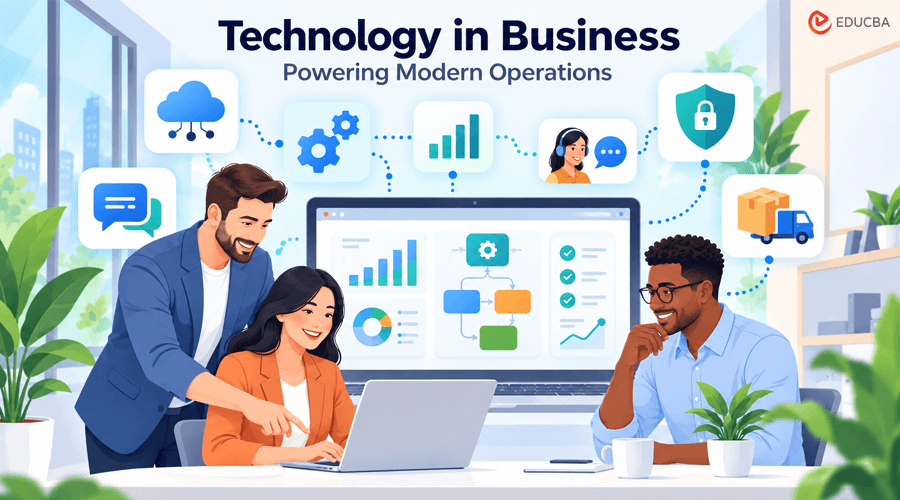
Running a company now is nothing like it was just two decades ago. Paper ledgers, physical filing cabinets, manual inventory checks, and landline phones dictated the daily work routine. Today, digital infrastructure is the basic framework for trade. From tiny local offices to international retail chains, organizations rely on digital networks to communicate, track performance, secure assets, and create customer value. Technology in Business is no longer merely a passive back-office support system. It is a core engine that drives daily execution, strategy, and customer interactions.
Organizations that use smart digital resources build resilient workflows, reduce operational costs, and adapt quickly to changing market demands. Understanding Technology in Business also helps explain why modern companies can respond more quickly to changing customer expectations and competitive pressures.
Core Systems and Workflow Automation
Manual record-keeping and disconnected spreadsheets can create bottlenecks that limit organizational growth. Automated billing software, collaborative task management platforms, and Enterprise Resource Planning (ERP) systems consolidate information into dashboards. Operational data flows freely across departments, and managers make faster decisions based on real-time facts rather than guesswork. This is one of the clearest examples of how Technology in Business can improve everyday operations. Hundreds of valuable working hours go into repetitive administrative tasks each month.
Automation addresses this drain by automating repetitive data entry, creating standard invoices, updating client databases, and sending payment reminders. Taking human hands out of repetitive administrative operations can dramatically reduce human error. Then, employees can devote their energy to strategic problems, reaching out to prospects and caring for clients directly. Automation is an important part of Technology in Business because it lets organizations handle routine activities consistently while employees focus on more complex responsibilities.
Businesses can also connect different software systems to reduce duplicated work and improve information flow between departments. Standardized digital operations also make growing businesses predictable. As a firm expands to multiple locations or hires remote employees, cloud-based shared platforms ensure everyone follows the same operating standards. Quality stays consistent, new team members onboard seamlessly, and handoffs between teams are clear and accountable.
Modernizing Front-of-House and Kitchen Workflows in Hospitality
Dining establishments face razor-thin profit margins and demanding operational paces. Managing perishable ingredients, high labor turnover, and fluctuating customer foot traffic requires tight coordination. Modern operators increasingly turn to specialized restaurant software to coordinate kitchen ticket processing, real-time table reservations, digital menus, and floor-staff scheduling in a single interface. This application of Technology in Business helps hospitality operators connect front-of-house activities with kitchen and back-office processes.
Instead of relying on separate paper-based systems, employees can access updated information through connected digital platforms. Kitchen display units connected directly to front-of-house point-of-sale systems reduce miscommunication between waitstaff and line cooks. Orders flow into preparation queues automatically, including customer allergy notices and custom requests. Wait times drop, kitchen waste diminishes, and guests enjoy a smoother dining experience.
Back-office operations benefit just as much from these hospitality platforms. Integrated inventory tracking logs ingredient usage with every dish sold and warns managers when stock falls below safety levels. Automated purchase orders can be dispatched to vendors before critical items run out during peak weekend rushes. By linking floor sales directly to back-room storage, owners gain precise visibility into food costs and menu profitability.
Streamlining Specialized Assessments and Clinical Appointments
Professional service providers, legal consultants, and behavioral health practices operate under rigorous documentation and confidentiality standards. Managing high-stakes paperwork, client interviews, and tight submission deadlines requires specialized scheduling and secure document-handling portals. For specialized mental health practices, such as clinicians conducting immigration psychological evaluations in Houston, digital workflow tools are essential for coordinating client intakes, handling multilingual questionnaires, and tracking critical court deadlines with precision.
Clinicians and legal professionals cannot afford misplaced files or scheduling errors when presenting evidence in formal proceedings. Cloud-based practice management platforms allow practitioners to safely record clinical interview observations, coordinate virtual evaluations across distant counties, and exchange encrypted records with legal counsel. Automated appointment reminders sent via text and email keep evaluation timelines on track and prevent costly legal delays.
Digital intake portals also help vulnerable clients complete baseline paperwork from home in their preferred language before meeting their evaluator. Reducing paperwork stress beforehand lets professionals focus on thorough clinical interviews and diagnostic testing. Technology provides the administrative backbone that lets specialized experts focus on delivering high-quality, legally compliant assessments.
Data Intelligence and Financial Decision Making
Gut feelings and basic intuition alone are no longer enough to navigate competitive markets. Modern Technology in Business enables analytical systems to collect transaction histories, customer reviews, website visitor behavior, delivery speeds, and other information to deliver useful insights. Dashboards reduce millions of raw data points to simple graphs that show which items make money and which ones consume resources. Data analytics is therefore a major component of Technology in Business. Organizations can combine information from sales, finance, marketing, customer service, and operations to identify patterns that may not be obvious from individual records.
Forecasting models help managers predict future demand to balance cash flow and resources. Accurate prediction of seasonal buying spikes ensures warehouses have enough stock to meet demand without tying up cash in unsold goods. Service organizations can use prior client demand to make staffing decisions, avoiding wasteful overtime or understaffed shifts. Financial reporting has also changed from a stressful monthly scramble to an ongoing, continuous procedure. Cloud accounting systems connect directly to business bank accounts and merchant processors to automatically categorize expenses.
Business owners may view real-time cash flow balances on their mobile devices, giving them the chance to negotiate vendor discounts or cut unneeded overhead costs before financial leaks become significant issues. By connecting financial information with operational data, Technology in Business gives decision-makers greater visibility into revenue, costs, cash flow, and resource utilization.
Omnichannel Engagement and Customer Retention
Instant service and personalized interactions have radically changed customer expectations. They want to buy on social media, ask questions via live website chat, pick up in-store at brick-and-mortar locations, and receive digital receipts via email. For this linked experience, you need good customer relationship management (CRM) software that tracks every interaction with a client. CRM databases are centralized, so customer service reps have quick context when a support inquiry comes in.
When a client calls with an issue, the agent can instantly see their past purchases, previous support tickets, and delivery preferences. Solving problems on the first call can turn unpleasant experiences into long-term brand loyalty. Customer-facing platforms demonstrate another important role of Technology in Business. By connecting customer data across sales, marketing, and support channels, organizations can provide more consistent interactions, no matter where a customer contacts them.
Automated marketing engines harness client purchasing history to deliver relevant offers vs. blanket promotional blasts. Post-purchase follow-up emails, maintenance reminders, and personalized loyalty awards keep businesses top of mind. Businesses that invest in intelligent, automated touchpoints see retention rates rise without adding to their marketing teams’ day-to-day workload.
Visibility and Control of the Supply Chain
Supply-chain problems and higher shipping costs have emphasized the fragility of global trade. Visibility is the best defense against unexpected delivery delays. Industry observers at Denial Journal frequently point out that today’s tracking systems include barcode scanners, RFID sensors, and GPS monitors to track raw components and finished goods from the company’s loading docks to customers’ doorsteps. Warehouses depend heavily on algorithmic sorting and robotic handling systems.
Digital warehouse management solutions determine the most effective picking routes for workers and cut order fulfillment times in half. Precise location tracking reduces lost inventory and saves workers hours of searching through packed storage racks. Technology also supports Technology in Business objectives by connecting warehouse activities with purchasing, sales, and transportation systems.
Managers can identify inventory shortages and operational bottlenecks more quickly when information is available through integrated platforms. Transparent logistics also builds partnerships with end consumers and business buyers. Automated shipping updates offer tracking numbers and projected arrival windows as soon as an order leaves a fulfillment facility. Strong shipping logistics are a major competitive advantage, and clear communication reduces customer support inquiries and builds trust.
Remote Collaboration and the Nature of the Modern Workplace
Traditional in-office desk setups are no longer the only way workplaces operate. Distributed teams, hybrid schedules, and freelancing networks demand flexible digital resources to remain productive across time zones. Technology in Business keeps teams connected regardless of geographical location through video conferencing, collaborative document workspaces, and instant messaging channels.
Project management boards also clarify individual responsibilities, deadlines, and project milestones for the entire organization. Between weekly status meetings, remote team members check their work queues, transfer file assets, and request manager evaluations. Projects continue to move forward without the usual email-chain delay. Talent acquisition has developed with internal communication technologies.
Instead of being limited to applicants within a reasonable commute to one office tower, companies can hire talented workers from across the globe. Cloud-based HR software handles job postings from remote sites, performs initial applicant screening, and supports digital contracts so that you can grow your workforce quickly and flexibly.
Cybersecurity & Risk Management
The connected digital environment creates major security challenges. Phishing scams, ransomware, and data breaches may affect organizations of any size. Protecting consumer payment data, intellectual property, and corporate records demands serious security processes, not casual precautions. As organizations become more dependent on Technology in Business, cybersecurity becomes an essential part of operational planning.
Every connected system, employee device, cloud platform, and customer-facing application can require appropriate security controls. Today’s cybersecurity defenses include multi-factor authentication, endpoint encryption, automatic data backups, and frequent vulnerability audits. Network monitoring technologies analyze business networks around the clock for anomalous traffic patterns, quarantining affected devices before unauthorized actors may access key corporate databases.
Compliance frameworks call for stringent data governance methods. Under rules like GDPR, HIPAA, and regional consumer privacy legislation, organizations must treat personal records with the utmost care. Data retention and privacy automation technologies help organizations securely erase old customer records and protect sensitive data, helping them avoid costly regulatory penalties and protect their brand.
Digital Adoption to Promote Sustainable Methods
There is a huge environmental and financial gain in moving away from paper-heavy practices. Electronic signatures, cloud storage archives, and electronic invoices reduce paper use, printing costs, and physical storage lease costs. Moving to paperless processes shows environmental awareness and reduces overhead. Sustainability is becoming another area where Technology in Business can influence operational practices.
Digital documentation reduces dependence on physical resources, while connected systems can help organizations monitor energy consumption and resource use. Commercial properties can lower their carbon footprint with energy-efficiency management solutions. Smart environmental sensors monitor workplace temperatures, adjust lighting levels based on natural daylight, and turn off idle equipment when the office is not in use.
Lower utility bills mean better operational margins. Route optimization methods for fleet management reduce fuel usage in delivery operations. Planning the most effective driving routes lowers wear and tear on vehicles, shortens delivery times, and reduces greenhouse gas emissions. Technology lets firms build sustainable, environmentally friendly business models while delivering bottom-line results.
Future Enterprise
Technology is moving quickly, and tools once exclusive to large organizations are now available to small and medium businesses. To be successful in business today, you need to be agile, willing to adjust old workflows, and committed to learning. The future of Technology in Business will continue to involve connected systems, automation, analytics, cloud platforms, cybersecurity, and digital collaboration.
Businesses will need to evaluate new technologies based on their operational requirements rather than adopting tools simply because they are new. Strong digital infrastructure investments can help protect companies from market shifts and unforeseen operational disruptions. By using Technology in Business to automate basic administrative processes, provide real-time financial control, and equip workers with collaboration tools, organizations can create agile operations with sustained performance in a fast-paced world.
Recommended Articles
We hope this guide helps you understand Technology in Business and how digital tools improve modern business operations. Explore our recommended articles for more insights on business technology, automation, digital transformation, cybersecurity, and workplace innovation.

