


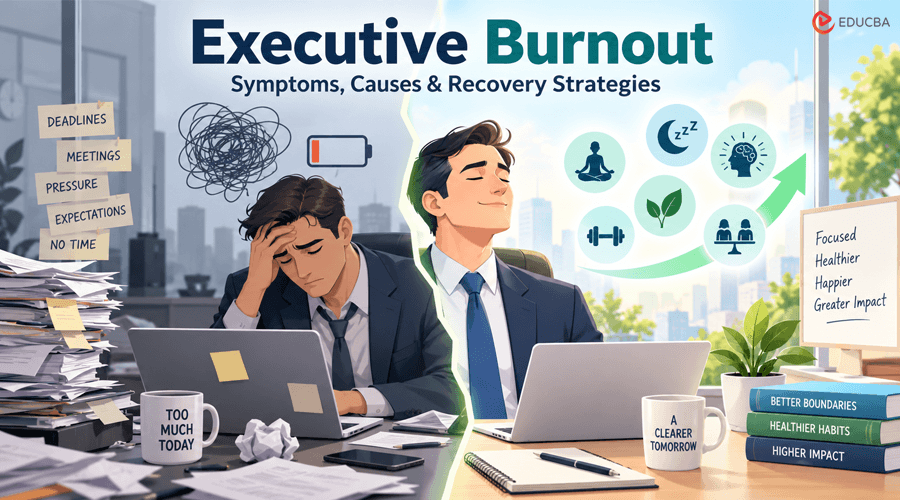
Corporate leadership demands rapid decision-making, emotional composure under market volatility, and constant availability. Over ten years of consulting across executive suites, one diagnostic reality appears consistently: unmanaged workplace strain degrades neural efficiency before hitting organizational KPIs. High-performing directors who pursue counseling in Sugar Land quickly realize that relentless cognitive demands can contribute to Executive Burnout, drain mental resources, diminish working memory, and undermine strategic focus.
The body does not separate professional ambition from biology. When leadership teams face prolonged restructuring, tight fiscal margins, or cross-functional friction, the autonomic nervous system enters a persistent fight-or-flight state. Without intervention, cognitive fatigue shifts from an occasional afternoon slump into systemic executive burnout.
Neurobiology of Leadership Fatigue
Executive burnout is a measurable neuroendocrine breakdown, not a simple lack of willpower. Under continuous performance pressure, the hypothalamic-pituitary-adrenal (HPA) axis remains chronically engaged. The hypothalamus secretes corticotropin-releasing hormone (CRH), initiating a biochemical chain reaction that prompts adrenal glands to flood systemic circulation with cortisol and catecholamines.
In short bursts, catecholamine surges sharpen executive focus and accelerate problem-solving. Over months of relentless corporate pressure, however, sustained hypercortisolemia alters prefrontal cortex architecture, degrading synaptic connectivity and blunting top-down emotional regulation.
At the same time, the amygdala increases its baseline reactivity. Leaders notice subtle operational shifts:
- Risk analysis tilts toward panic or hyper-vigilance
- Working memory capacity drops during board meetings
- Interpersonal tolerance with key stakeholders frays
- Decision fatigue sets in by early afternoon.
Left unaddressed, this neural strain can lead to physical exhaustion, fragmented sleep, and persistent executive cynicism.
Identifying Executive Burnout: Key Diagnostic Indicators
Detecting Executive Burnout requires paying attention to behavioral, cognitive, and physical signals. When corporate leaders push through severe cognitive depletion, the strain can manifest across several measurable operational domains.
1. Neurocognitive Impairments
Sustained stress impairs the brain’s executive functioning center:
- Impairs working memory and complex problem-solving.
- Elevates baseline distractibility during high-stakes decisions.
- Prolongs mental latency on routine tasks.
- Reduces capacity for abstract conceptual thinking.
In clinical assessment, formal neurobehavioral evaluations for cognitive decline are documented under CPT Code 96132: Neuropsychological Testing Administration.
2. Behavioral Changes and Cynicism
Burnout alters how leaders interact with their teams and responsibilities:
- Triggers sudden emotional withdrawal from team discussions.
- Heightens irritability during normal operating reviews.
- Cultivates deep skepticism toward organizational milestones.
- Normalizes avoidance of strategic business challenges.
When executives begin experiencing these behavioral warning signs, professional psychiatric and behavioral health assessments are typically coded under CPT Code 90791: Psychiatric Diagnostic Evaluation.
3. Autonomic Dysregulation and Physical Collapse
Nervous system exhaustion often shows up in routine health checks:
- Disrupts non-REM slow-wave sleep architecture.
- Elevates baseline resting heart rate noticeably
- Depletes natural morning adrenal hormone reserves.
- Causes tension headaches and gastrointestinal distress.
When physical symptoms occur with memory loss, routine biomarker tests often show changes in body function and higher levels of blood vessel inflammation.
Understanding Normal Leadership Stress vs. Clinical Burnout
The distinction between everyday leadership pressure and systemic neurocognitive burnout lies in recovery and reversibility. Under healthy executive pressure, cortisol spikes during product launches, quarterly earnings calls, or corporate acquisitions, but returns to baseline once milestones wrap up. Sleep remains restorative, and taking a long weekend resets focus. In contrast, clinical burnout breaks the body’s autonomic recovery loops. Cortisol output flattens, deep sleep disappears, and rest fails to replenish depleted energy reserves.
Temporary leadership stress, by contrast, leaves core problem-solving capacity intact. Burnout, by contrast, impairs working memory, causes cognitive paralysis over simple choices, and breeds persistent cynicism toward work that once brought satisfaction. When rest no longer restores mental acuity, standard self-care habits are rarely enough.
Why Greater Houston and Sugar Land Executives Face Elevated Strain?
Sugar Land serves as a vital corporate and residential anchor in the Greater Houston region. Home to headquarters and regional hubs across energy, industrial engineering, biosciences, and finance, the area attracts ambitious professionals who maintain demanding operational tempos. Corporate leaders in this corridor balance cross-time-zone communication with heavy hybrid workloads and extensive commutes along I-69 and the Grand Parkway.
Many executives also serve on competitive civic boards, manage family commitments, and participate in intensive community programs. Working in such a high-performing environment often makes very long work hours seem normal. Executives easily mistake physical warning signs like elevated blood pressure, sleep deficits, and persistent brain fog for the unavoidable price of business success. Over time, this intense pace drains nervous system reserves, making dedicated therapeutic intervention vital for long-term health.
Evidence-Based Recovery Frameworks for Corporate Leaders
Reversing cognitive fatigue requires structured behavioral and neurological interventions. Unstructured vacations or casual time off do not rebuild depleted neural pathways.
Effective Executive Burnout recovery strategies focus on:
- Re-establishing distinct digital and organizational boundaries.
- Regulating sympathetic nervous system tone through breathwork.
- Restructuring sleep schedules to enhance neurogenesis.
- Adopting cognitive reframing to mitigate executive stress.
- Delegating low-yield operational tasks to teams.
When leaders proactively address mental fatigue, they protect both personal health and organizational stability.
Take Action for Your Health:
If persistent mental fatigue, decision paralysis, or physical exhaustion are impacting your leadership performance, evidence-based behavioral intervention can help restore clarity.
Schedule a confidential consultation with our Texas anxiety specialists today.
Integrating Executive Coaching and Clinical Support
Corporate development initiatives frequently lean toward leadership coaching to solve operational bottlenecks. While coaching can sharpen tactical workflows and delegation skills, clinical concerns tied to executive burnout may require support from qualified healthcare professionals. Sustainable recovery requires an integrated approach that connects corporate performance strategies with clinical behavioral healthcare. Primary care physicians assess physiological strain, executive mentors refine workflow, and licensed clinicians address underlying cognitive stress.
Structured interventions like Acceptance and Commitment Therapy (ACT) and Cognitive Behavioral Therapy (CBT) give leaders practical tools to identify burnout triggers, set healthy boundaries, and restore focus. Working with counseling specialists allows leaders to build sustainable emotional habits alongside career growth. Executives who engage with targeted support routinely report sharper daily focus, lower baseline stress, and renewed enthusiasm for organizational leadership. Mental health does not impede executive performance; it underpins long-term leadership.
Frequently Asked Questions (FAQs)
Q1. What is the difference between normal fatigue and executive burnout?
Answer: Standard fatigue improves quickly after a weekend of rest. Executive burnout involves deep emotional exhaustion, mental detachment, and persistent cognitive decline that persists despite taking time off.
Q2. How does chronic workplace stress impair executive decision-making?
Answer: Prolonged workplace stress can affect the body’s stress-response systems and interfere with concentration, working memory, sleep, and emotional regulation. These effects can contribute to the symptoms associated with Executive Burnout.
Q3. Can therapy help corporate leaders without interrupting their work schedules?
Answer: Yes. Modern behavioral health providers offer flexible virtual and hybrid sessions. These structured formats focus on practical tools like cognitive reframing and boundary management without disrupting business commitments.
Q4. What are the earliest physical symptoms of leadership burnout?
Answer: Common early signs include unrefreshing sleep, tension headaches, elevated resting heart rate, digestive discomfort, and relying on high caffeine intake to stay alert throughout the business day.
Q5. Why should executives in Sugar Land consider local counseling?
Answer: Local professionals understand regional industry demands, including long commutes on I-69 and high-pressure roles in energy, engineering, and healthcare. This local context helps therapists tailor recovery plans to real-world routines.
Recommended Articles
We hope this guide helps you understand Executive Burnout, its warning signs, and effective recovery strategies. Explore our recommended articles for more insights on workplace stress, mental health, cognitive fatigue, leadership wellness, and burnout recovery.

