


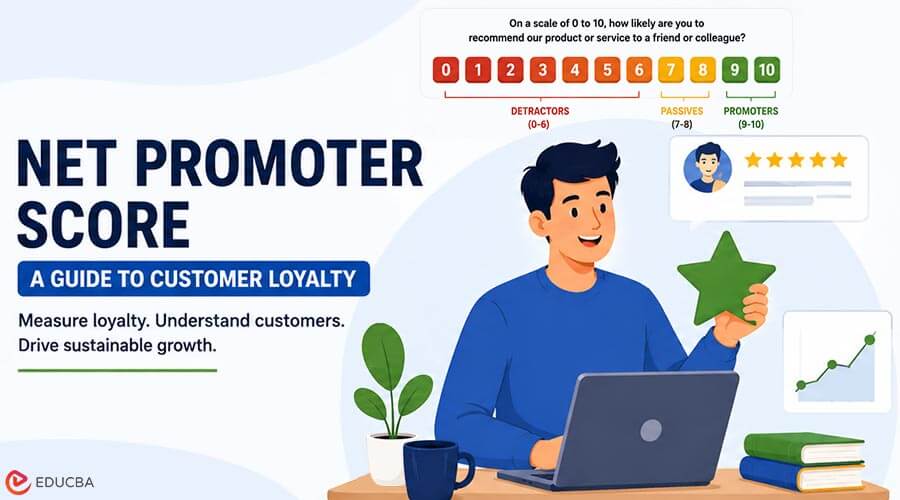
A net promoter score (NPS) indicates how willing customers are to recommend a business after an experience. The measure offers a useful view of loyalty, confidence, and perceived value, although it cannot explain every aspect of satisfaction. Its real significance appears when teams examine the reasons behind each response. Results can show whether people intend to return, remain uncertain, or feel disappointed enough to dissuade others from choosing the same company.
The Core Signal
The Net Promoter Score comes from one direct question: how likely is a customer to recommend a company to a friend or colleague? That response captures a broad impression formed during a purchase or service encounter. It can reflect perceived value, reliability, communication, employee conduct, and confidence in the provider. Because the question remains the same, teams can compare sentiment across periods, branches, products, representatives, or customer groups.
Three Customer Groups
Respondents select a number from zero through ten. Ratings of nine or ten identify Promoters, scores of seven or eight identify Passives, and results from zero through six identify Detractors. These categories describe different relationship strengths. Reviewing the proportion within each group gives a clearer picture than relying on a single average without examining the distribution.
1. Promoters Show Advocacy
Promoters demonstrate strong confidence in a business. They may buy again, recommend the provider, and share positive experiences with colleagues or relatives. Such support suggests that expectations were met or exceeded. Still, a high result should prompt investigation, not complacency. Teams can identify the service behaviors, product qualities, or communication choices that created enthusiasm, then repeat those conditions consistently.
2. Passives Reveal Weak Loyalty
Passives may accept an experience without feeling committed to the company. Price changes, a competitor’s offer, or a minor inconvenience could influence their next decision. This group often points to friction that prevents genuine enthusiasm. Follow-up questions can clarify whether the concern involves wait times, unclear information, staff behavior, product value, or expectations only partly met.
3. Detractors Signal Risk
Detractors report the strongest dissatisfaction. Their comments may identify delayed service, billing errors, unreliable products, confusing instructions, or a broken promise. Unresolved frustration can reduce retention and encourage unfavorable recommendations. A low rating does not always end the relationship. A prompt, respectful response can acknowledge the harm, correct the immediate issue, and restore some confidence.
How is Net Promoter Score Calculated?
The NPS is determined by subtracting the percentage of Detractors from the percentage of Promoters.
NPS = % Promoters − % Detractors
Passives remain part of the total survey responses, but they do not directly increase or decrease the score.
For example, if a survey produces:
- 50% Promoters
- 30% Passives
- 20% Detractors
The net promoter score would be:
50 − 20 = +30
The possible NPS range is -100 to +100.
What Different Scores Suggest?
A negative result means critics outnumber advocates, which points to serious relationship problems. Scores from one to 49 indicate stronger support than opposition, although improvement remains possible. Results from 50 to 69 commonly reflect healthy loyalty. Scores from 70 to 100 indicate exceptional advocacy. These ranges offer useful reference points, but sector norms, survey timing, audience mix, and collection methods influence interpretation.
Why Comments Matter?
The number indicates the overall sentiment, while written feedback often explains the cause. A rating of four might reflect a delivery delay, confusing instructions, poor product performance, or an unpleasant interaction. Without that detail, managers may address the wrong condition. Open responses help distinguish isolated events from recurring patterns and connect emotional reactions with operational failures.
Trends Beat One Result
One survey result provides limited evidence. A pattern across several periods offers stronger guidance. Businesses should compare findings before and after service changes, staffing adjustments, or product updates. An improving figure may reflect clearer communication or faster support. A decline could reveal rising friction. Segmenting results by branch, employee, product, purchase channel, or customer type can show where to focus first.
From Measurement to Action
Measurement creates value only when findings lead to action. Promoters may receive appreciation or invitations to share their experience. Passives may need clearer information, additional assistance, or a better explanation of product value. Detractors require timely contact and a defined recovery process. Each case should reach someone who can investigate the cause, explain the remedy, and document what changed afterward.
Limits of the Measure
Net promoter score should support, rather than replace, other customer research. It does not identify every reason for cancellation, measure task effort, or describe satisfaction with individual service features. Response bias can also affect results when unusually pleased or frustrated people answer more often. Before making major decisions, teams should review response volume, survey timing, customer segments, comments, retention figures, and support records.
Final Thoughts
Net Promoter Score shows how willing customers are to recommend a company, but the rating alone cannot explain their experience. Promoters indicate advocacy, Passives reveal uncertain commitment, and Detractors expose relationship risks. The calculation provides a consistent reference point. Comments, trends, retention data, and recovery actions provide the evidence needed for sound decisions. Used together, these sources help organizations improve service quality, protect trust, and build stronger customer relationships over time.
Recommended Articles
We hope this comprehensive guide to net promoter score helps you better understand customer loyalty and improve customer experiences. Check out these recommended articles for more insights and strategies to strengthen customer relationships and business growth.

