


Modern software development and web analytics have long since gone beyond simple coding, becoming a real battle for access to uncorrupted data. To effectively train algorithms, scrape marketplaces, and test corporate software, engineers have to bypass complex anti‑fraud systems, which forces companies to actively implement cheap mobile proxies to mask automated requests. Such technologies have become an integral part of the web development ecosystem, erasing the boundary between classic network administration and applied programming. By early 2026, the ability to configure network rotation and manage a device’s digital fingerprint has become as basic a skill for a backend developer as knowledge of SQL or architectural patterns.
For educational ecosystems focused on practical skills in IT and data analysis, understanding proxy principles is critically important. Educational platforms, including specialized resources, regularly update their Python development and Data Science courses, adding sections on working with complex network protocols. Developers can no longer rely on simple scripts – protection layers such as Cloudflare, Akamai, and Datadome instantly detect server IP addresses, requiring engineers to have deep knowledge of network infrastructure.
The main answer to the challenges of modern web security has been renting specialized addresses from mobile operators, so the decision to deploy a dedicated mobile proxy guarantees the developer a dedicated communication channel and maximum trust from target platforms. Mobile network infrastructure is fundamentally different from standard hosting solutions, offering developers unique anonymization mechanisms at the level of mobile operator communication protocols.
Why Classic Server Proxies No Longer Work?
1. The Collapse of Datacenter IPs in Web Scraping
The era when web page scraping was reduced to sending hundreds of GET requests via free lists of proxy servers has finally passed. Large commercial platforms and search engines use behavioral analysis and reputation databases of IP addresses. Hosting pools (AWS, DigitalOcean, Hetzner) are added to anti‑fraud blacklists by default. Any attempt to collect data from a protected resource via a server IP results in immediate blocking or endless CAPTCHAs, reducing the overall efficiency of scraping to a critical 20–40%.
The reason for this drop in efficiency lies in the very nature of server addresses. They belong to commercial autonomous systems (ASN), have a static character, and are easily grouped into subnets. If a bot performs a suspicious action from one server IP, the protection algorithm blocks the entire subnet of hundreds of neighboring addresses, completely paralyzing the scraper’s operation.
2. The Anatomy of Protection Systems
Modern cybersecurity systems analyze traffic at several levels of the OSI network model. At the TCP/IP protocol level, they check the MTU (Maximum Transmission Unit) and TTL (Time to Live) parameters, which must match those specified by the operating system in the HTTP User‑Agent header. If a script claims that a request is sent from an iOS mobile device, while the packet parameters indicate a Linux server in a data center, the security system instantly flags the request as fraudulent.
Additionally, the passive operating system fingerprint (Passive OS Fingerprinting) and behavioral factors are evaluated – page navigation speed, intervals between clicks, and cursor movement. Under these conditions, developers must switch to infrastructure that imitates real user behavior at the mobile network level because standard masking methods cannot bypass these protections.
CGNAT Architecture and the Phenomenon of Mobile Trust
1. Carrier‑Grade NAT Technology as a Legal Shield for Automation
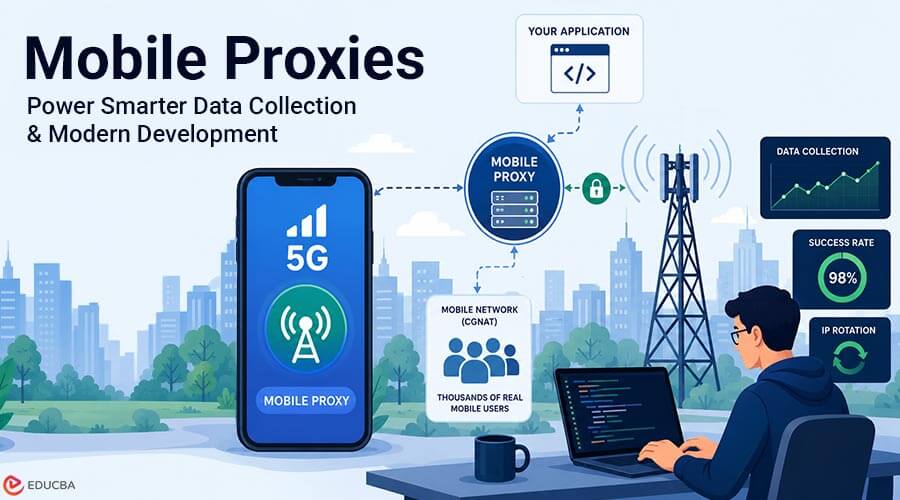
The only reason why mobile proxies have absolute immunity to mass bans is the shortage of IPv4 address space. Mobile network operators cannot assign each smartphone a unique public IP address, so they use Carrier‑Grade Network Address Translation (CGNAT). Within this architecture, a mobile operator’s external public IP address is simultaneously shared by thousands of real subscribers browsing the internet on their phones.
For anti‑fraud systems of large websites, this creates an unsolvable dilemma. If an algorithm decides to block a mobile IP address for suspicious activity of an automated script, hundreds of innocent mobile network users will fall under the ban. Ignoring these standards can result in structural issues, customer dissatisfaction, and lower conversions. Mobile IP addresses maintain a high level of trust and are therefore much less likely to be blacklisted.
2. Technical Parameters: Speed, Latency, and Rotation
Modern mobile proxies run on real 4G/5G equipment connected to mobile network base stations. This ensures technical characteristics identical to the traffic of an ordinary smartphone user:
- Bandwidth: Real 4G/5G speeds range from 10–50 Mbps, which is more than enough for parallel multi‑threaded data collection and heavy media loading.
- Network latency: The use of modern 5G standards reduces latency to under 20 ms, ensuring instant target server response times and high script execution speed.
- Success rate: Integrating high-quality mobile IPs into modern parsers increases the average successful request rate to a record 98% and eliminates the cost of repeat sessions.
An important feature is the ability to dynamically rotate IP addresses. The mobile operator’s timer automatically changes the address at scheduled intervals. A developer can also force rotation by sending a command through the proxy provider’s API. This process provides a continuous stream of clean IP addresses from the mobile operator’s pool through one port.
Application Areas: Where Mobile Infrastructure Sets the Rules?
1. Web Scraping of Big Data and AI Training
For data analysts and machine learning engineers, mobile proxies have become the main scraping tool. Collecting competitor prices, monitoring financial markets, and gathering content for AI training requires millions of daily requests. Mobile IPs help automated systems appear as regular mobile users and pass protection filters without triggering blocks.
2. Fighting Ad Fraud (Ad Fraud Verification)
The internet marketing industry suffers colossal losses every year due to fake clicks and bot traffic – global ad fraud business losses are estimated at $40B+ annually. To protect their budgets, major brands use verification scripts to check the cleanliness of advertising platforms. Mobile proxies allow these scripts to visit advertisers’ sites under the guise of real users from specific regions and mobile operators, detecting hidden redirects, location spoofing, and click simulation by botnets.
Integrating Mobile Proxies into Code
1. Managing Network Sessions in Scripts
Integrating mobile proxies into program code requires a developer to understand the logic of network sessions. A mobile proxy provides access to a port backed by a dynamic IP pool, unlike static server addresses that assign one IP to the user for the entire rental period. A developer can use two main modes of operation: a sticky session, where the address remains unchanged until the mobile operator terminates the connection, or forced rotation at each new request.
When writing parsers in languages like Python or Go, developers must handle network exceptions and server response codes correctly. If the target resource returns an authorization error or CAPTCHA, the script should automatically trigger an IP change. The script can use an API request to the proxy provider instead of ending the session due to failure.
2. Data Security and Traffic Encryption
Working through remote communication nodes imposes additional requirements on the security of transmitted data. The use of the HTTPS and SOCKS5 protocols with login/password authorization support is a standard requirement. HTTPS guarantees that intermediate servers cannot intercept or modify traffic and protects transmitted authorization tokens, cookies, and scraping logs from third-party compromise.
Final Thoughts
The development of web technologies and complex cybersecurity systems have transformed mobile proxies into essential IT infrastructure tools. Using CGNAT architecture, stable performance, and strong blocking resistance makes them valuable for many technical applications. Mobile proxies support data engineers, testers, and software developers in managing modern data collection challenges. In today’s digital world, access to clean data influences business success and innovation. The ability to integrate mobile network solutions has become a key skill for technical professionals.
Recommended Articles
We hope this guide to mobile proxies helps you understand their role in secure data collection, and network engineering. Check out these recommended articles for more insights and best practices to enhance your programming and data analytics expertise.


