


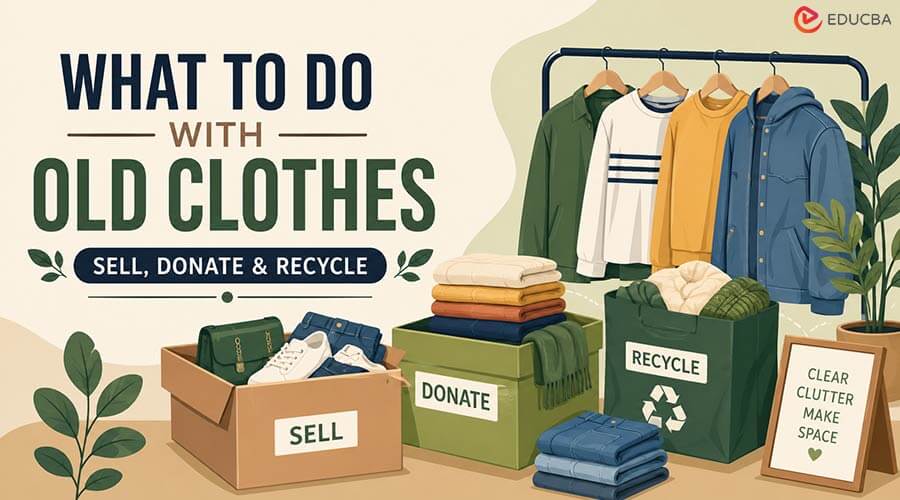
Open your wardrobe and be honest about it. There is a section you have not touched in a year, maybe longer, and every time you look at it, you feel a small twinge of guilt before closing the door. If you are wondering what to do with old clothes, start by addressing that forgotten pile, which is costing you space, decision energy, and the money you spent on it.
If you are wondering what to do with old clothes, the answer depends on their condition, value, and whether they still serve a purpose. Yet most people freeze at this exact point, unsure whether to keep, sell, donate, or throw things away. A barely-worn Cole Buxton piece deserves a different fate from a pilled fast-fashion tee, and knowing which is which is the whole task. Let’s sort it properly.
Why You No Longer Wear Certain Clothes?
Understanding why you stopped wearing something matters because it tells you whether the piece deserves another chance. There are usually four main reasons.
Fit is the most common issue. The piece may have never fit properly, or your body may have changed over time. No amount of hoping will fix an item that does not feel comfortable.
Coordination is another reason. Sometimes a clothing item looks good on its own but does not work with anything else you own. While this problem can occasionally be solved, it is often not worth the effort.
Condition is the third reason. Clothes that have pilled, faded, stretched, or lost their shape may have reached the end of their useful life.
Occasion mismatch happens when you buy something for a lifestyle you do not actually have, such as formal clothes for rare events or outdoor gear for trips you never take.
None of these problems are solved by keeping clothes in your wardrobe for another year. Waiting does not improve the fit, condition, or usefulness of an item. The real question is not whether you might wear it someday, but whether the reason you stopped wearing it has changed.
If it has not changed, the item is likely finished, and keeping it only delays the decision.
How to Decide Which Clothes to Keep or Remove?
Before clearing your wardrobe, apply a simple filter that is easier to trust than emotions.
Start by asking when you last wore the item. If the answer is more than a year ago, that is useful information rather than a coincidence.
Next, ask yourself whether you can create three outfits with it using clothes you already own. If you cannot think of even one outfit that includes the item, the item probably has no place in your current wardrobe.
Try the item on properly instead of relying on your memory of how it looked before. People often keep clothes based on how they used to fit, but preferences and bodies change over time.
Check the condition carefully. Look at the collar, cuffs, underarms, and fabric quality. Stretched areas, thinning material, or visible damage often mean the item is no longer suitable for regular wear.
A simple question can help make the decision easier:
If you saw this item in a store today at full price, would you buy it again?
Keeping something is essentially choosing to purchase it again. Most people already know the answer within a few seconds but spend extra time creating reasons to keep it.
What to Do With Old Clothes: Sorting Them Into the Right Destinations
Once you decide that an item no longer belongs in your wardrobe, the next step is to choose the right destination. The best option depends on the condition, quality, and usefulness of each piece.
- Sell clothes in good condition from recognized brands, as resale platforms often attract buyers looking for quality pieces.
- Donate wearable items that are difficult to sell so someone else can use them.
- Give clothes directly to friends or family members who may genuinely need or appreciate them.
- Repurpose damaged natural fabrics, such as cotton, into cleaning cloths.
- Repurpose damaged textiles through recycling programs rather than throwing them away with regular trash.
The biggest mistake people make is treating every unwanted item the same way. A high-quality jacket from a known brand may have resale value, while a basic worn-out T-shirt may be better suited for donation or recycling.
Resale platforms work best for recognizable brands and items in good condition. Generic clothing or heavily worn pieces usually do not sell well, regardless of how much effort goes into the listing.
Being realistic about each item’s value helps you clear your wardrobe faster and prevents bags of unwanted clothes from sitting around for months.
How to Sell Old Clothes Without Wasting Time?
Selling old clothes can be a great way to recover some money, but only when you choose the right items. Trying to sell everything often creates more work than value.
When deciding what to do with old clothes, resale works best when you focus on pieces with recognized brands, good quality, and minimal wear. Buyers usually search for specific brands, making unbranded items much harder to sell.
Condition is another important factor. Clothes with stains, heavy pilling, stretched fabric, or damaged areas usually attract low offers and may not be worth the effort. Always describe your items honestly because avoiding details about flaws can lead to complaints and wasted time.
Take clear photos in natural light with a simple background. Include images of the front, back, labels, and any imperfections. Transparent listings build trust and help buyers make faster decisions.
Accurate measurements also improve your chances of selling. Clothing sizes vary between brands, so include details such as chest width, waist measurement, and body length whenever possible.
Price your items realistically. Good-condition pieces often sell for around half of their current retail price, while older or slightly worn items may need a lower price.
Timing also matters. Seasonal clothing usually sells faster when people are looking for it. For example, listing winter jackets during colder months is more effective than posting them during summer.
However, remember that selling takes effort. Photographing, creating listings, responding to messages, and shipping items require time. Only sell pieces that are valuable enough to justify the process.
Which Old Clothes Are Worth Selling or Donating?
Not every item deserves the same amount of attention. A simple sorting system can make decluttering easier:
- Recognizable brands in good condition: List them for resale because they are more likely to attract buyers.
- Well-made basic clothing: Donate or give it away, as it may not sell quickly.
- Items with visible wear: Donate if they are still usable or recycle them if they are damaged.
- Damaged natural fabrics: Repurpose them as cleaning materials before recycling.
- Sentimental clothing: Store them separately instead of mixing them with everyday clothes.
Sentimental items often create the biggest challenge. A shirt connected to a special memory is different from a shirt you plan to wear regularly.
Keeping sentimental clothes in a separate box helps maintain a functional wardrobe. Your everyday closet should contain pieces you actually use, while memory-based items can have their own dedicated storage space.
Basic clothing also deserves realistic thinking. A simple sweatshirt or pair of jeans may not have enough resale value, but donating them can still help someone else more than letting them sit unused.
How to Prevent Clothes Clutter From Returning?
Clearing once feels great and means little if the same pile returns within a year, so the habits matter more than the purge. The most effective rule is one in, one out, meaning every new piece requires an old one to leave. That keeps the total stable and forces you only to buy things genuinely better than what you own. Buying more deliberately helps enormously, too, and the simplest filter is to ask whether you can picture three outfits with a piece before purchasing. If you can not, it will join the unworn section eventually. Shop your own wardrobe first as well, since people often buy something they effectively already own because they had forgotten about it. Neutral, well-made pieces resist becoming unworn because they coordinate with everything, while loud or trend-specific items are the ones that stall fastest. A solid hellstar piece you genuinely like and wear regularly earns its space, while an impulse buy in a color you do not wear does not. Also, do a small seasonal review rather than a giant annual purge, because ten minutes four times a year is far easier than a whole weekend of decisions.
Final Thoughts
The clothes you never wear are not waiting for the perfect moment. They are taking up space and forcing you to make decisions you have been avoiding.
Knowing what to do with old clothes makes the decluttering process easier. Start by understanding why you stopped wearing each item. Fit issues, poor coordination, damaged condition, and lifestyle changes rarely resolve on their own over time.
Ask whether you would buy the item again today. If the answer is no, it may be time to let it go.
Sell valuable pieces in good condition, donate wearable clothing, recycle damaged textiles, and store sentimental items separately. Creating a thoughtful system helps you build a smaller wardrobe filled with clothes you actually enjoy wearing.
A useful wardrobe is not about having more clothes. It is about keeping the right ones.
Frequently Asked Questions (FAQ’s)
Q1. How do I decide whether to keep something?
Answer: Ask yourself whether you would buy the item again today at full price. Keeping something is similar to choosing to purchase it again. You can also try creating three outfits with it using clothes you already own. If you cannot create even one, it may be time to remove it.
Q2. Is it worth selling old clothes?
Answer: Selling old clothes is worthwhile when they are from recognized brands and in good condition. Generic or heavily worn items often take more time to sell than they are worth. Use clear photos, accurate measurements, and realistic pricing to improve your chances.
Q3. What to do with old clothes that are still in good condition?
Answer: Old clothes in good condition can be sold on resale platforms, donated to people in need, or given to friends and family. The best option depends on the brand, condition, and usefulness of each item.
Q4. What do I do with damaged clothes?
Answer: Damaged clothing can often be recycled through textile recycling programs. Natural fabrics like cotton can be transformed into reusable cleaning cloths before they are finally disposed of.
Q5. How do I stop the unworn pile from coming back?
Answer: Follow the one-in, one-out rule. Every time you add a new clothing item, remove an old one. Also, check whether you can create multiple outfits with a piece before buying it.
Q6. What about clothes I keep for sentimental reasons?
Answer: Keep sentimental clothing, but store it separately from your everyday wardrobe. A dedicated storage box prevents clutter while allowing you to preserve meaningful items.
Recommended Articles
We hope this guide on what to do with old clothes helps you create a more organized wardrobe and make smarter decisions about keeping, selling, donating, or recycling unused items. Explore these recommended articles for additional tips and strategies to simplify your lifestyle, reduce clutter, and build a more functional wardrobe.

