


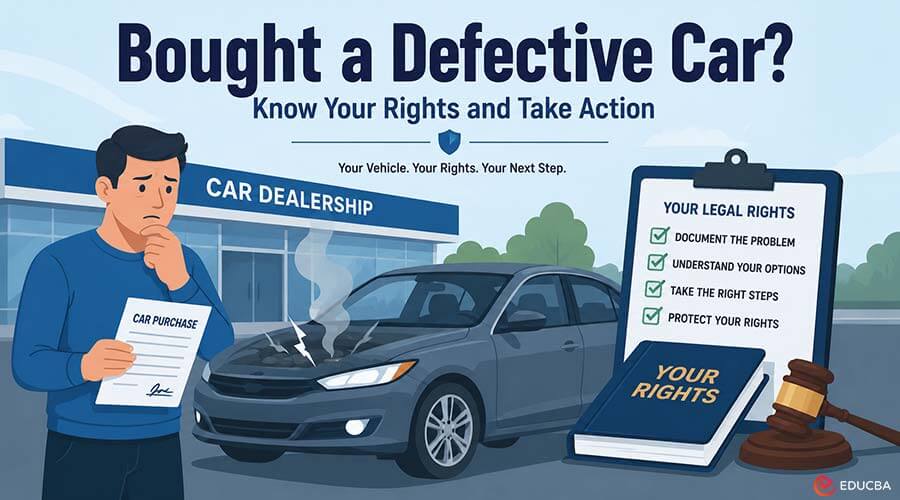
Driving off a dealership lot in a new or recently purchased used vehicle is supposed to mark the end of a long decision process. For some buyers, it marks the beginning of a different kind of process entirely: repeated repair visits for the same problem, dealer responses that never fully resolve the issue, and a growing realization that something is seriously wrong with the vehicle they just bought. Many buyers who have bought a defective car assume they have limited options. The buyer signed the contract, accepted the car, and felt that whatever happened next was their responsibility. Consumer protection law sees it differently. Multiple legal frameworks exist specifically to protect vehicle buyers when a manufacturer cannot fix a defect after reasonable attempts. Understanding those frameworks, what they cover, what they require, and what they provide is the most practical thing a buyer in this situation can do.
Step 1: Document Everything After You Bought a Defective Car
The entire legal case for a defective vehicle rests on documentation. Everything else flows from the quality of the written record the owner builds from the first day a problem appears. Every time a problem occurs, write it down. Record the date, the mileage, and a specific description of what happened. Note any warning lights that appeared, any unusual sounds or sensations, and any circumstances that seemed to trigger the problem. The owner should maintain this log separately from the dealer paperwork in a location they control.
Every dealer visit should produce a written repair order, and the owner should review it carefully before leaving. The repair order’s description of the problem matters legally. A repair order that says “customer reports transmission hesitation at low speeds, applied manufacturer TSB, retested, returned to customer” documents both the complaint and the attempted repair. One that says “checked vehicle, no issues found” creates an ambiguous record that manufacturers routinely use to dispute the defect’s existence. If the description is inaccurate or incomplete, ask for a correction before signing.
Step 2: Understand the Legal Frameworks That Apply
When a consumer buys a defective car, several legal protections may apply depending on the vehicle’s condition, warranty status, and state laws.
a. State Lemon Laws
Every state has enacted some form of lemon law protecting consumers who purchase defective vehicles. Although the specifics vary by state, the general structure remains consistent: if a warranty-covered defect substantially impairs a vehicle’s use, safety, or value, and the dealer or manufacturer cannot fix it within a defined number of repair attempts or a specified period of out-of-service time, the consumer gains the right to a refund or replacement.
The most common thresholds are four repair attempts for a standard defect or 30 cumulative days out of service. For defects that create a risk of serious injury or death, brake failures, steering malfunctions, fuel system problems the threshold drops to two attempts in most states. These thresholds do not have to involve the same defect: a vehicle that has spent 12 days on one issue, 10 days on another, and 10 days on a third has spent 32 cumulative days out of service, meeting the time-based threshold regardless of repair attempt count.
b. The Federal Magnuson-Moss Warranty Act
The federal Magnuson-Moss Warranty Act operates independently of state lemon laws and covers any vehicle sold with a written warranty, regardless of whether it was purchased new or used. This is the most significant protection available to many used car buyers, because state lemon laws typically apply only to new vehicles, while Magnuson-Moss extends to certified pre-owned vehicles and any used vehicle still within the original manufacturer warranty period.
Magnuson-Moss requires warrantors to fulfill warranty obligations and provides for attorney fees when the consumer prevails. In practice, this means that vehicle owners outside the state lemon law window but within the manufacturer’s warranty period often have a viable federal claim that yields the same remedies: a refund, replacement, or cash compensation.
c. State Consumer Fraud Statutes
If the dealer made affirmative misrepresentations about the vehicle’s condition, concealed known defects, provided false information about the vehicle’s accident history, or failed to disclose defects required by state law to be disclosed, the buyer may have a consumer fraud claim independent of warranty law.
Consumer fraud claims can produce actual damages plus statutory multipliers in states with strong consumer protection frameworks, and attorney fees are typically recoverable in successful cases.
Step 3: Return to the Dealer and Build the Repair Record
Before statutory remedies become available, the manufacturer must be given a reasonable opportunity to repair the defect. This means bringing the vehicle back to an authorized dealer for each problem that appears and allowing the dealer to attempt the repair. Owners who stop returning after the first or second visit because the repairs seem futile forfeit the documentation that would otherwise establish a pattern of failed repairs.
Each visit should generate a repair order, and the owner should track cumulative out-of-service days across all visits. A vehicle that has been back to the dealer four times for the same transmission problem, with four repair orders documenting four unsuccessful attempts, is in a substantially stronger legal position than one with only verbal complaints and no written documentation.
Step 4: Notify the Manufacturer Directly
Most state lemon laws and the Magnuson-Moss Act require the consumer to send written notice to the manufacturer before statutory remedies become available. This is a distinct step from complaining to the dealer. The notice should go to the manufacturer’s legal or warranty department by certified mail, reference the vehicle’s VIN and repair history, cite the applicable legal provision, and clearly request a remedy.
This notification creates a formal record. The manufacturer’s response or its failure to respond within the timeframe the statute prescribes becomes part of the evidence in any subsequent legal proceeding. Many manufacturers initiate meaningful settlement discussions at this stage when the repair documentation is clear, and the legal basis is properly stated.
Step 5: Know What Remedies Are Available
When a dealer misrepresented the condition of the vehicle or concealed defects, consulting a lawyer for lemon law clarifies which claim type applies and what remedies are available. In warranty-based cases, a full repurchase requires the manufacturer to buy back the vehicle at the original purchase price, including taxes, registration fees, and documented incidental expenses tied to the defect, minus a mileage offset calculated under the applicable statutory formula. A replacement vehicle must be comparable in value and come with a full manufacturer’s warranty.
A cash settlement, where the owner retains the vehicle and receives monetary compensation for the defect, is a third option that some manufacturers prefer because it resolves the claim without a buyback transaction. The attorney fee-shifting provisions in both state lemon laws and Magnuson-Moss mean that when the consumer prevails, the manufacturer pays the legal costs. Specialist lemon law attorneys take cases on contingency because this fee structure makes it economically viable the consumer pays nothing upfront and owes no fees if the case is unsuccessful.
Step 6: Evaluate Before Accepting Any Settlement Offer
Manufacturers contact vehicle owners directly with settlement offers more often than most people realize, and frequently before the owner has sought legal advice. These offers are structured to close the claim at a cost below what a represented claimant would typically recover. Signing a settlement release permanently waives your right to seek further compensation for that vehicle.
The value of a free consultation with a lemon law specialist before signing anything is straightforward: it provides an honest assessment of whether the documented repair history qualifies, which legal theory is strongest, what remedies are realistically available, and whether the manufacturer’s current offer reflects what the claim is actually worth. The consultation costs nothing, and the information it produces is the basis for every decision that follows.
What Used Car Buyers Should Know After Buying a Defective Car?
Used car buyers have fewer protections under state lemon laws, which typically apply only to new vehicles. However, the Magnuson-Moss Warranty Act covers any used vehicle still under the original manufacturer’s warranty, and certified pre-owned vehicles with extended manufacturer warranties are fully protected. Dealers who misrepresented the condition of a used vehicle at the point of sale may face consumer fraud liability entirely independent of warranty law.
The practical threshold for a used-car buyer is whether the vehicle was still under any form of manufacturer’s warranty when the defect first appeared. If it was, Magnuson-Moss provides a federal remedy path. If it was not, consumer fraud law and the implied warranty doctrine under the Uniform Commercial Code may still apply, depending on how the seller represented and sold the vehicle.
Summary: The Most Important Steps
If you bought a defective car, follow these important steps:
- Document every problem immediately with dated, mileage-specific notes and accurate dealer repair orders.
- Return to the dealer for each defect and track cumulative out-of-service days across all visits.
- Notify the manufacturer in writing before assuming statutory remedies are unavailable.
- Evaluate the repair history against applicable thresholds under state lemon law, Magnuson-Moss, and consumer fraud statutes.
- Consult a lemon law specialist before accepting any settlement offer. The consultation is free, and the legal fee structure means representation costs nothing if the case is unsuccessful.
Consumer protection law around vehicle defects is more accessible and more favorable to buyers than most people realize. The obstacle is usually not the legal framework it is knowing that the framework exists and understanding which part of it applies to a specific situation. Building the documentation record from day one is the single most impactful step a buyer in this situation can take.
Recommended Articles
We hope this comprehensive guide on bought a defective car helps you understand your legal rights. Check out these recommended articles for more insights and strategies related to consumer protection, vehicle disputes, and legal solutions.

