


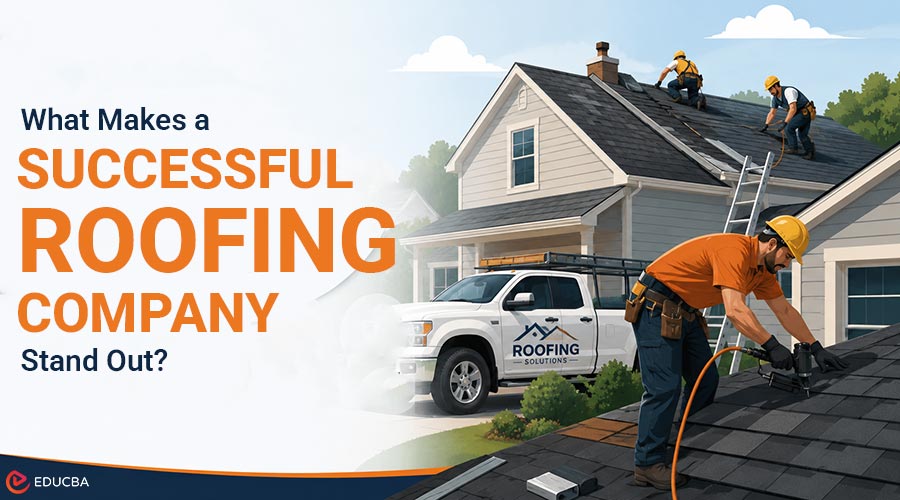
Many roofing companies know how to put on a good roof. They can tear off old shingles, install new materials, repair leaks, and handle the physical work. But technical skill alone is not always what separates the best roofing companies from the rest. The most successful roofing company usually wins because it operates more effectively. To put it another way, they know how to attract the right local customers, deliver high-quality work safely, and turn a good project into future referrals. They build a business that people trust.
5 Things That Set a Successful Roofing Company Apart From the Rest
If you want to understand what sets a successful roofing company apart, here are five key qualities that make a lasting difference.
1. Prioritize Local Marketing
Roofing is local. Most homeowners are not looking for a roofer three states away. They are looking for someone nearby who understands the area, knows the weather patterns, and has a reputation in the community. Successful roofing companies build a strong local presence on purpose. They show up in local search results, keep their website up to date, collect reviews, and make it easy for homeowners to understand what they do.
When someone searches for a roofer after a storm or notices a leak, the best companies are already the ones found. Good local marketing also builds familiarity. A homeowner may see your trucks or your yard signs. Or maybe they see your social media posts or hear your name in neighborhood conversations with friends. Then, when the time comes to choose a roofing company, you feel like the obvious choice.
2. Maintain Clear Client Communication
Many roofing problems are not really roofing problems. There are communication problems. For example, a homeowner may feel frustrated because no one explained the schedule or called to let them know they would be late. That is unacceptable (and should never happen). Successful roofing companies understand that communication is part of the service. They never assume customers know what to expect.
Instead, they explain the process in plain language, answer questions without making people feel foolish, and keep homeowners updated as things change. This has a direct effect on reviews and referrals. A customer may not know every technical detail of a roof installation, but they know how you made them feel. If they feel informed and respected, they are more likely to leave a positive review. If they felt ignored or surprised, they might leave the kind of review you do not want attached to your name.
3. Build a Strong Safety Culture
Roofing is dangerous work, and successful companies treat safety as a top priority. This extends to all areas of the business, but is especially important on the job site. Ladder safety is one of the biggest focal points. When you have team members who are 20 or even 30 feet up in the air on a piece of aluminum, you can not take anything for granted.
Safe ladder practices need to be part of your normal routine. For roofing companies, it is wise to have ladders professionally inspected at least once a year. A professional inspection can help catch visible structural damage and worn components that a busy crew may overlook when they use the same ladders multiple times per day.
4. Deliver Consistent Quality
A successful roofing company does not depend on luck or on one excellent crew leader to make every job go well. It has systems that help the company deliver consistent quality across different crews and jobs. Consistency starts before the first shingle is removed.
This means:
- The estimate should match the work
- The crew should understand the scope
- Materials should be ready
- The cleanup plan should be clear
If a problem is discovered during the job, the customer should be informed proactively (along with a plan for addressing it).
5. Invest in Employees and Team Development
You can not run a good roofing company on your own. You need good people. But if your best workers do not see a future with the company, they may leave for a slightly better offer. Successful companies think differently about their team members. They invest in their people because they understand that trained, steady workers make the whole business stronger. A crew that knows your standards is easier to manage and more likely to deliver the kind of work that leads to repeat business.
Investing in employees should become part of your company’s DNA. And it does not always mean a huge formal program. It may mean better onboarding, regular safety training, clearer advancement paths, or hiring supervisors who know how to lead without losing their temper. Or it could look like teaching new workers why certain details matter, rather than just barking out instructions. A roofing company’s reputation is carried by the people who show up at the house. If you want better results, you need to build better teams.
Final Thoughts
Building a successful roofing company requires much more than technical roofing expertise. Long-term success comes from combining exceptional workmanship with effective marketing, clear communication, strong safety practices, consistent quality, and continuous investment in employees. Companies that develop these habits create stronger customer relationships, earn more referrals, and build a reputation that supports sustainable business growth. By focusing on these proven practices, any roofing business can position itself for long-term success in a competitive market.
Recommended Articles
We hope this guide has helped you understand what it takes to build a successful roofing company. Check out these recommended articles for more insights and strategies to grow your roofing business and achieve long-term success.

