


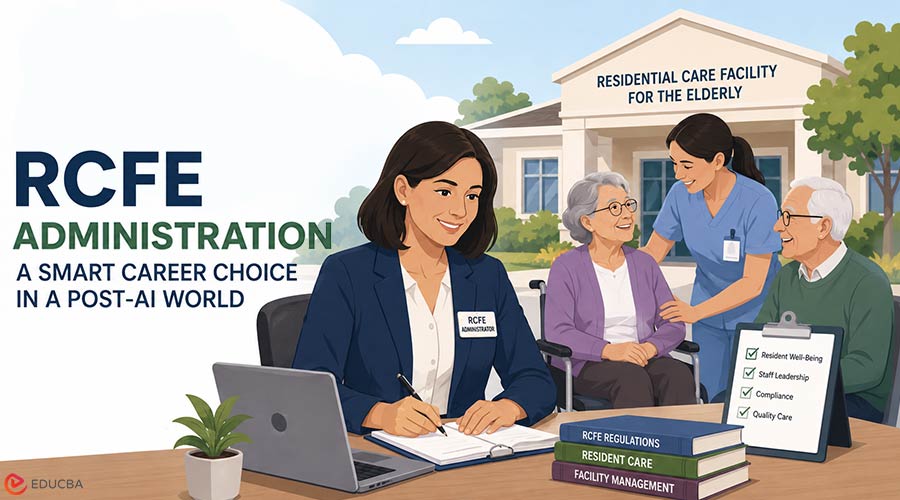
As artificial intelligence transforms industries and raises concerns about job security, many professionals are searching for careers built on skills that technology cannot replicate. Residential Care Facility for the Elderly administration (RCFE) stands out as one of those paths, combining leadership, compassion, and regulatory expertise in ways that remain deeply human. RCFE administration relies on empathy, ethical decision-making, and interpersonal communication—qualities AI cannot replicate. For those interested in healthcare leadership, obtaining the appropriate education and licensure through institutions like Assisted Living Education offers a pathway to a strongly rooted, rewarding career.
RCFE Administrators are responsible for managing residential care facilities for seniors, ensuring safe, compassionate, and compliant operations. While AI has automated tasks across sectors like manufacturing and finance, the hands-on, trust-based work in senior care continues to demand skilled human leadership and oversight. As the population ages, the need for well-trained RCFE professionals grows, strengthening the promise of this path for the future.
Table of Contents
- The Limits of Artificial Intelligence in Senior Care
- Why Human Leadership Matters in RCFE Administration?
- Education and Licensure Are Essential
- The Role of Online Educational Centers
- Long-Term Security and Purpose
- Preparing for a Long-Term Career in RCFE Administration
The Limits of Artificial Intelligence in Senior Care
Although AI-powered tools can support tasks such as medication reminders, recordkeeping, and appointment scheduling, they cannot fully address the complex emotional and personal needs of older adults. This reality underscores the importance of humans in senior care, where meaningful relationships, compassion, and sound judgment are critical. RCFE administrators are responsible for developing individualized care plans, managing emergencies, accommodating diverse cultural and social needs, and offering reassurance to residents and their families. These essential responsibilities continue to depend on human empathy, leadership, and decision-making that technology cannot replicate.
Additionally, the technology used in senior care must be overseen, evaluated, and, when needed, adjusted by a human administrator who understands the broader context of a resident’s life and health. AI may generate data about a resident’s medication patterns or sleeping habits, but it still requires the trained eye of an administrator to translate that information into actionable care decisions. There is also the ethical responsibility to maintain consent and privacy, which is critical when integrating technology into residential facilities for vulnerable populations. The nuanced, legally sensitive nature of elder care cannot be fully entrusted to artificial intelligence alone, underscoring the importance of human judgment in this context.
Why Human Leadership Matters in RCFE Administration?
Effective RCFE Administrators are the backbone of any successful care facility. They provide guidance, resolve staff conflicts, advocate for residents, and make real-time decisions in close collaboration with family members, caregivers, and regulatory agencies. The success of a facility often hinges on skilled human leadership, adaptability, and genuine compassion that inspires both trust and cooperation.
In addition to these responsibilities, human leaders set the culture and tone of a facility, ensuring that values such as dignity, inclusivity, and respect are prioritized in every interaction. They are often called upon to support families facing difficult transitions, facilitate emotional comfort during times of grief or anxiety, and personally intervene in crises. Such situations demand quick thinking, empathy, and deep understanding, distinctly human traits. By creating a positive workplace and supporting both staff and residents, administrators play a key role in improving retention, satisfaction, and the facility’s overall reputation.
Education and Licensure Are Essential
Given the unique challenges of managing an RCFE, specialized education and licensure are not just regulatory requirements; they are critical tools for developing the knowledge and confidence necessary to lead an elder care community successfully. Coursework in management, state regulations, disaster planning, and dementia care prepares administrators to handle a facility’s diverse demands. Moreover, these educational standards ensure that every administrator is qualified to foster safety, dignity, and quality of life for all residents. For aspiring administrators, formal training is not only rewarding but also required by law and industry standards. As care settings grow more complex, ongoing education enables administrators to stay up to date on best practices, legal changes, and resident-centered programming, thereby positively impacting care quality year after year.
Additionally, industry experts emphasize that machines cannot replicate empathy and ethical decisions in healthcare. Continuing education is also essential for career growth. As trends evolve and new challenges arise, such as changes in health regulations, technology integration, or cultural sensitivity training, an administrator’s ability to adapt and stay informed is crucial. Many licensing agencies require administrators to complete ongoing professional development every year, reinforcing a culture of lifelong learning and continuous improvement that benefits the entire elder care community.
The Role of Online Educational Centers
Online learning platforms have made professional education more accessible than ever. Institutions like Assisted Living Education offer RCFE Administrator courses, exam preparation, and continuing education credits, all in convenient online formats that fit around work and family commitments. These programs deliver up-to-date curriculum taught by industry professionals and provide a community for aspiring and active administrators to learn and connect. For those interested in a stable, impactful career, online education centers bridge the gap between ambition and opportunities. They ensure training is accessible, relevant, and affordable, opening the doors for more people to fill the growing demand for qualified RCFE leaders.
Moreover, online educational centers are frequently updating their content in response to changes in state and federal regulations. This dynamic approach ensures learners receive the most current, evidence-based strategies for resident care and facility management. Peer discussion forums, virtual classrooms, and interactive modules enable deeper engagement and practical, scenario-based learning. These features are especially valuable for working adults and mid-career professionals considering a transition into elder care administration. By combining flexibility with quality, online education is a cornerstone for those seeking professional advancement without geographical barriers.
Long-Term Security and Purpose
The aging population across the United States assures sustained demand for elder care facilities, making RCFE administration a stable and secure career option. While many jobs face uncertainty with the rapid advancement of AI, the RCFE field relies on traits that automation cannot replicate: empathy, integrity, and interpersonal skills. This provides peace of mind for those choosing the profession as well as a deep sense of personal purpose from making a real difference in residents’ lives every day. As more people reach retirement age, the demand for compassionate and high-quality senior care will continue to grow. Administrators provide essential stability to elderly individuals as they navigate the challenges of health, mobility, and independence.
Few careers offer such a clear path to both personal growth and community impact. Additionally, the role often provides opportunities to specialize in areas such as memory care, rehabilitation, or hospice services, bringing added fulfillment and ensuring that no two days are ever quite the same. The meaningful bonds developed with residents, families, and multidisciplinary care teams further enrich the professional experience, creating a career that is both emotionally rewarding and economically stable.
Preparing for a Long-Term Career in RCFE Administration
Unlike many sectors threatened by automation, RCFE administration remains a vital, human-driven field with long-term prospects for career security and satisfaction. By investing in quality education, obtaining proper licensure, and embracing opportunities from online learning providers like Assisted Living Education, professionals can build a meaningful, future-proof career. With the right preparation, you can become a leader who delivers crucial support, safety, and dignity for seniors in a world where human connection is more important than ever.
Recommended Articles
We hope this comprehensive guide to RCFE administration has helped you understand why it remains a rewarding and future-ready career. Explore the recommended articles below for more insights, career guidance, and best practices in senior care administration.


