


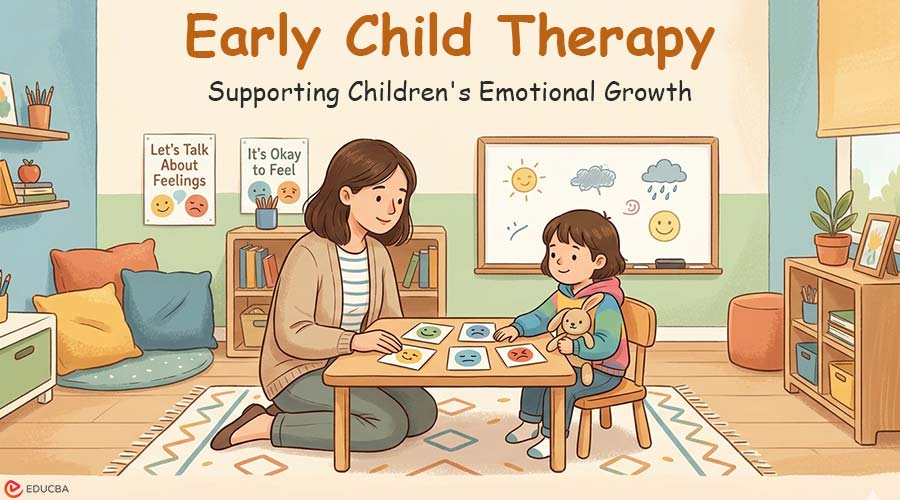
Understanding How Early Child Therapy Supports Emotional Development in Children is important for parents who notice emotional changes in their child. Many children face challenges such as anxiety, anger, sadness, or social withdrawal during early developmental stages. These emotional shifts can affect behavior, learning, and relationships at home or school. Early child therapy provides structured emotional support through safe communication and guided activities. It helps children recognize feelings and respond in healthier ways.
Therapists use simple methods, such as play-based learning and behavioral guidance, to improve emotional awareness and stability. This article explains how early child therapy works, why emotional development matters, and how parents can support children effectively. It also covers types of therapy, benefits, and key signs that may indicate the need for support. Reading further will provide a clear understanding of how therapy contributes to stronger emotional growth in children.
Understanding Early Child Therapy
Early child therapy is a structured psychological support system designed for young children experiencing emotional or behavioral challenges. It focuses on helping children understand and manage feelings in a safe and supportive environment. This form of therapy often includes play-based techniques, storytelling, drawing, and guided activities. These methods help children express emotions naturally without pressure. Therapists observe behavior patterns and gently guide children toward healthier emotional responses.
Early child therapy also involves collaboration with parents or guardians. Regular updates and guidance are shared to ensure emotional progress continues at home. The main goal is to build emotional awareness, improve communication skills, and support balanced psychological development during the early stages of growth.
Why Emotional Development Matters in Early Childhood?
Emotional development plays a crucial role in a child’s overall growth and well-being. It involves learning to understand, express, and manage emotions in various situations. During early childhood, emotional skills begin to form and influence behavior, learning ability, and social interaction. Children with healthy emotional development can express feelings clearly and respond calmly to challenges. They develop better relationships with family members, teachers, and peers. Emotional stability also supports confidence and independence.
On the other hand, poor emotional development can lead to behavioral issues, communication difficulties, and problems with school performance. Children may struggle to control anger, anxiety, or frustration. Early childhood is the most important stage for emotional learning. The brain develops rapidly, making it easier to build positive emotional habits. Support during this stage helps children understand empathy, patience, and self-control. These skills become the foundation for future mental health and success in life.
Signs a Child May Need Emotional Support or Therapy
Children often express emotional struggles through behavior rather than words. One common sign is sudden mood shifts such as frequent anger, sadness, or irritability without clear reasons. Another sign includes withdrawal from family members or social activities. Difficulty in school can also indicate emotional challenges. This includes a lack of focus, refusal to participate, or falling academic performance. Some children may show physical symptoms, such as headaches or stomach aches, linked to stress.
Excessive fear, separation anxiety, or difficulty sleeping may also indicate emotional imbalance. Aggressive behavior such as hitting, shouting, or defiance can signal unmet emotional needs. Some children struggle to express their feelings properly and become easily frustrated. Others may appear overly quiet or disconnected from their surroundings. When these patterns continue over time, professional support can help. Early identification of these signs is important. It allows timely intervention and prevents emotional difficulties from becoming long-term challenges.
How Does Early Child Therapy Help Emotional Development?
Early child therapy plays a major role in improving emotional development by teaching children how to understand and manage feelings. It provides a structured environment where emotions can be expressed safely without judgment. Therapists help children identify emotions such as anger, sadness, fear, and happiness. This awareness builds emotional intelligence over time. Children also learn to respond to situations in a calmer, more balanced way.
Therapy introduces coping strategies for stress and frustration. Simple techniques such as breathing exercises, storytelling, and role-play help children regulate their emotions. These methods make emotional learning easier and more natural. Another important benefit is improved communication. Children become more comfortable expressing thoughts and feelings. This reduces behavioral issues caused by emotional confusion. Therapy also strengthens self-confidence. Children begin to understand personal emotions and develop trust in their ability to handle challenges. Over time, this leads to better social interaction and emotional stability in everyday life.
Different Types of Therapy Used for Children
Several types of therapy are used to support children’s emotional development. Each method is designed based on the child’s age, behavior, and emotional needs. Play therapy is one of the most common approaches. It uses toys, games, and creative activities to help children express emotions naturally. This method is especially beneficial for younger children. Cognitive behavioral therapy helps identify unhelpful thoughts and replace them with more positive thinking patterns. It helps children manage anxiety and behavioral issues.
Family therapy includes parents or caregivers as part of the therapeutic process. It improves communication and strengthens family relationships. This support system plays a major role in emotional healing. Behavioral therapy aims to modify unwanted behaviors through structured reinforcement techniques. It encourages positive habits and emotional control. Art and creative therapy allow children to express feelings through drawing, painting, or storytelling. Each method supports emotional growth in different ways and is selected based on individual needs.
The Role of Parents in Child Therapy
Parents play an important role in supporting the success of child therapy. A strong, supportive home environment significantly improves emotional well-being. Children feel more secure when their parents actively participate in their emotional development. One important role is maintaining open communication. Encouraging children to talk about feelings helps build trust and emotional understanding. Listening without judgment is equally important. Parents also reinforce therapy lessons at home. Simple practices like emotional check-ins, structured routines, and positive reinforcement help strengthen progress made during sessions.
Consistency is another key factor. Regular support and predictable routines provide emotional stability for children. Therapists also help parents understand behavioral patterns. This helps respond appropriately to emotional triggers and avoid negative reactions. When parents and therapists work together, children experience better emotional outcomes. This partnership builds a strong foundation for long-term emotional health and development.
Emotional Challenges Children Commonly Face Today
Modern children face several emotional challenges due to environmental and social changes. Academic pressure is one of the most common issues. Excessive expectations can contribute to stress and anxiety, while social challenges such as bullying or difficulties with friendships can also impact emotional well-being. These experiences can lead to low confidence or isolation. Family-related changes such as separation, relocation, or loss can create emotional instability. Children may struggle to adjust to new environments or routines.
Increased screen time is another concern. Excessive digital exposure can impact attention span, sleep patterns, and emotional regulation. Some children also experience trauma or stressful events that affect their emotional behavior. Without proper support, these challenges can influence long-term development. Understanding these issues helps in identifying emotional needs early. Support through therapy and parenting strategies can reduce long-term effects and improve emotional resilience.
Benefits of Starting Therapy at an Early Age
Early intervention in child therapy offers long-term benefits for emotional development. When therapy begins at a young age, children adapt more easily to emotional learning. One major benefit is improved emotional resilience. Children become better at handling stress and challenges. They learn to respond calmly in difficult situations. Early therapy also enhances communication skills. Children express thoughts and emotions more clearly, reducing misunderstandings and behavioral issues.
Another benefit is stronger social development. Children develop stronger and healthier relationships with their peers and family members. They also develop empathy and understanding. Academic performance often improves as emotional stability supports better focus and learning ability. Children become more confident in school environments. Early support also reduces the risk of long-term mental health issues. Emotional skills developed early in life create a strong foundation for adulthood.
How Does Therapy Improve Social and Behavioral Skills?
Child therapy significantly improves social and behavioral skills. Children learn how to interact with others respectfully and positively. One key improvement is conflict resolution. Children are taught how to handle disagreements without anger or aggression. This helps build healthier relationships. Empathy development is another important outcome. Children begin to understand others’ feelings and respond with care and kindness.
Therapy also improves frustration management. Children learn techniques to stay calm in challenging situations. Social interaction skills become stronger over time. Children gain confidence in group settings and make friends more easily. Behavioral improvements are also noticeable. Children develop better self-control and follow rules more effectively. These skills support both school life and the home environment.
What to Expect During a Child Therapy Session?
Child therapy sessions are designed to be safe, friendly, and comfortable. The first session usually involves an assessment of emotional and behavioral needs. The therapist observes communication style and emotional responses. Most sessions include interactive activities such as play, drawing, or storytelling. These methods help children express emotions without pressure.
Therapists build trust gradually so children feel secure during sessions. The environment is calm and supportive. Parents may also be involved in certain sessions. This helps in understanding progress and learning supportive techniques for home. Each session focuses on specific emotional goals, such as building confidence, reducing anxiety, or improving behavior. Progress is monitored regularly to adjust therapy methods based on the child’s development. Over time, children become more open, confident, and emotionally stable.
Choosing the Right Therapist for Your Child
Selecting the right child therapist is important for successful emotional development. Qualifications and experience in child psychology should be considered first. A good therapist uses child-friendly communication methods. This helps children feel comfortable and engaged during sessions. The therapy environment should be safe, welcoming, and suitable for young children. A positive setting improves participation and trust.
It is also important to choose a therapist who communicates clearly with parents. Regular updates help track progress effectively. Understanding the therapist’s approach is essential. Different methods, such as play therapy or behavioral therapy, may be used depending on needs. Asking questions about experience, techniques, and expected outcomes helps in making the right choice. A suitable therapist can significantly improve emotional growth in children.
Common Misconceptions About Child Therapy
Many misconceptions exist about child therapy. One common belief is that therapy is only for serious mental health problems. In reality, therapy also supports everyday emotional development. Another misconception is that therapy changes a child’s personality. Therapy does not change personality but helps improve emotional understanding and behavior.
Some believe children cannot express emotions properly. However, children often express feelings through behavior, play, and interaction. It is also wrongly assumed that emotional issues are temporary phases. Without support, these issues may continue or grow over time. Understanding the true purpose of therapy helps parents make informed decisions. Early support ensures better emotional health and development for children.
Long-Term Impact of Healthy Emotional Development
Healthy emotional development has long-lasting effects on a child’s future. One major impact is improved emotional intelligence. Children learn how to manage feelings effectively. Strong relationships are another outcome. Children develop better communication and empathy skills, leading to healthier social connections.
Stress management skills also improve significantly. Children grow into adults who handle challenges calmly and confidently. Academic and career success often improves due to better focus and emotional balance. Overall mental well-being becomes stronger, reducing the risk of future emotional difficulties. Early emotional development creates a foundation for a stable and successful life.
Practical Ways Parents Can Support Emotional Development at Home
Parents can support emotional development through simple daily actions. Active listening helps children feel heard, understood, and valued. This builds trust and emotional safety. Encouraging children to express feelings is also important. Naming emotions helps improve emotional awareness. Creating consistent routines provides stability and reduces stress. Predictable environments help children feel secure.
Positive reinforcement encourages good behavior and builds confidence. Praise for effort and improvement is effective. Reducing stress at home also supports emotional health. A calm environment helps children manage emotions better. These small practices contribute significantly to emotional growth and complement professional therapy when needed.
When to Seek Professional Help for a Child?
Professional help should be considered when emotional or behavioral issues continue over time. Persistent sadness, anger, or anxiety are key indicators. These emotional states may appear daily or interfere with normal routines such as eating, sleeping, or playing. When emotions remain intense for long periods, they often signal deeper emotional distress that needs attention. Sudden behavioral changes also require attention. This may include withdrawal, aggression, or loss of interest in activities.
Children who once enjoyed social play may begin to isolate themselves or avoid interaction. These changes should not be ignored, especially when they last for weeks or months without improvement. Trauma-related symptoms such as nightmares, fear of separation, or recurring distressing memories should also be taken seriously. Children may exhibit physical reactions such as crying, shaking, or clinginess when reminded of stressful events. Difficulties in school performance or social interaction may also indicate deeper emotional concerns. This includes falling grades, difficulty concentrating, or conflicts with peers. Teachers often notice these changes early and may provide useful feedback to parents.
Final Thoughts
Early child therapy plays a vital role in shaping emotional development. It provides children with tools to understand, express, and manage emotions effectively in a safe and structured environment. These tools help children respond better to stress, frustration, and social challenges in everyday life. With the right support, children build confidence, resilience, and healthy social skills. They become better at handling emotional pressure and adapting to new situations.
Therapy also helps children develop stronger communication abilities, which improves relationships at home and in school settings. Parents also play an important role in this journey. Their involvement strengthens progress made during therapy sessions. When parents support emotional learning at home, children experience more consistent growth. This combined approach creates a stable emotional foundation.
Frequently Asked Questions (FAQs)
Q1. At what age is child therapy suitable?
Answer: Child therapy can begin as early as preschool age, depending on emotional needs. Some children may benefit even earlier if emotional or behavioral concerns appear. Early support helps children learn emotional skills during key developmental stages. Therapists adjust their methods based on age, using play-based techniques for younger children and conversation-based techniques for older children. The goal is always to match the child’s developmental level to ensure comfort and understanding.
Q2. How does therapy help emotional development?
Answer: It teaches emotional awareness, regulation, and healthy coping skills. Children learn to identify feelings like anger, sadness, fear, and happiness. Therapy also helps them understand why emotions happen and how to respond in healthy ways. Over time, children gain better control over their reactions and improve their ability to communicate feelings clearly. This leads to stronger emotional intelligence and healthier relationships.
Q3. Is child therapy effective for behavioral issues?
Answer: Yes, it helps improve behavior through structured emotional learning. Children learn why certain behaviors happen and how to replace negative actions with positive responses. Therapists use reinforcement techniques, role-play, and guided interaction to encourage better behavior. Over time, children develop self-control, patience, and respect for rules. Behavioral improvements often extend to school, home, and social environments.
Q4. How long does child therapy take?
Answer: Duration depends on individual needs and progress. Some children may show improvement within a few weeks, while others may need longer support over several months. Factors such as emotional severity, session consistency, and family involvement affect progress. Therapists regularly assess development and adjust plans accordingly. The goal is to promote long-term emotional well-being rather than seeking immediate results.
Q5. Can parents be involved in therapy sessions?
Answer: Yes, parental involvement supports better emotional outcomes. Parents may attend certain sessions to understand the child’s emotional needs and progress. They also receive guidance on supporting emotional development at home. This includes communication techniques, behavior management strategies, and emotional support methods. Active involvement from parents strengthens therapy results and helps maintain consistency in the child’s emotional growth.
Recommended Articles
We hope this article on early child therapy has helped you learn how early support can positively impact a child’s emotional health. Check out these recommended articles for more expert insights on child development.

