


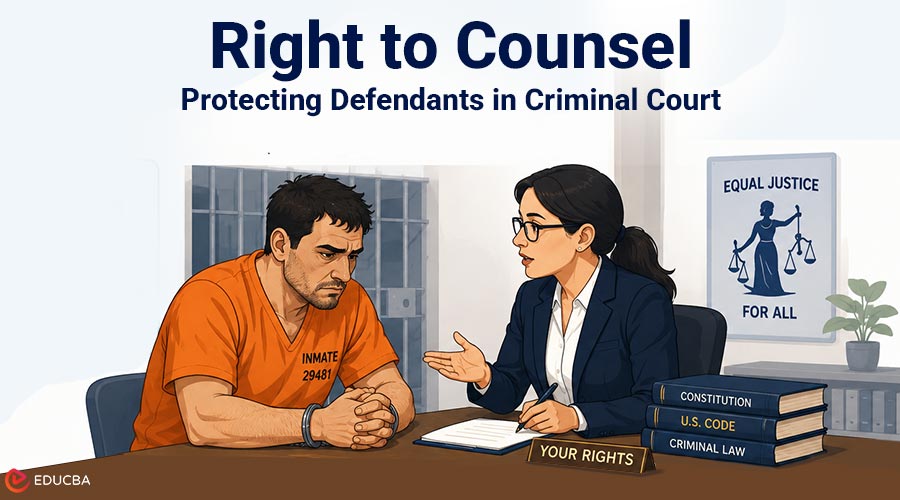
The American criminal justice system is built on the idea that every person deserves a fair process, regardless of the accusations against them. One of the most important protections supporting that principle is the right to counsel. In simple terms, this means that people accused of crimes have the right to legal representation. At first glance, this may seem like a straightforward procedural rule. In reality, the right to counsel is one of the most important safeguards in the entire legal system. Without it, many defendants would struggle to navigate a highly technical, intimidating, and heavily weighted process in favor of the government.
The Criminal Justice System is Extremely Complex
One of the biggest reasons the right to counsel matters is that criminal law is incredibly complicated. Criminal cases involve procedural rules, evidentiary standards, constitutional protections, and strategic decisions that most people cannot handle on their own. Even seemingly simple cases can become legally complex very quickly. A defendant may need to evaluate whether police acted lawfully during a search, whether statements made during questioning are admissible, or whether the court should exclude certain evidence from trial. These issues require legal knowledge and experience to analyze properly. Without legal representation, many defendants would not even know their rights, let alone how to protect them. Defense counsel helps ensure fairness in the process and meaningfully enforces constitutional protections.
Defense Lawyers Help Balance the Power of the Government
In criminal cases, the government has enormous resources at its disposal. Prosecutors work closely with law enforcement agencies, investigators, forensic experts, and other state actors. Defendants, by contrast, are often individuals with little or no experience in the legal system. The right to counsel helps balance this disparity. A defense attorney serves as an advocate whose job is to protect the defendant’s rights and challenge the government’s case where appropriate — work criminal defence firms like Kingston Fox Lawyers carry out for the accused. This adversarial structure is central to the justice system; the goal is not simply to secure convictions, but to ensure that accusations are tested thoroughly and fairly before someone’s liberty is taken away. Without defense counsel, the power imbalance would become much more severe, increasing the risk of wrongful convictions and unjust outcomes.
Legal Representation Protects Constitutional Rights
Criminal defendants have numerous constitutional protections, but those rights are only meaningful if someone is there to assert them. A defense attorney can challenge unlawful searches and seizures, object to improper questioning, and ensure that the case follows due process requirements throughout. They can also identify procedural errors or violations that might otherwise go unnoticed. For example, if law enforcement obtained evidence in violation of the Fourth Amendment, a defense lawyer may seek to suppress that evidence. If a defendant’s Fifth Amendment rights were violated during interrogation, counsel can raise those issues before the court. These protections are not automatic; in fact, they often require timely objections and strategic legal action, which is another reason why counsel is so critical.
Plea Negotiations and Sentencing Are High-Stakes Decisions
Many criminal cases never go to trial. Instead, they are resolved through plea agreements. Deciding whether to accept a plea offer is one of the most important choices a defendant can make, and it often carries long-term consequences. A defense attorney can evaluate the strength of the prosecution’s case, explain the risks associated with trial, and negotiate for reduced charges or lighter sentencing terms. Without legal guidance, defendants may struggle to understand whether a proposed agreement is fair or strategically sound. Sentencing itself is another area where representation matters significantly. Defense lawyers can present mitigating evidence, argue for alternative sentencing options, and advocate for outcomes that minimize the long-term impact on the defendant’s life.
Why Early Right to Counsel Representation Matters?
The right to counsel becomes especially important early in a criminal investigation or prosecution. Decisions made in the first stages of a case can have lasting consequences, as statements to police, consent to searches, and early procedural hearings can all shape the outcome. Involving an attorney early helps defendants avoid mistakes that may be difficult to undo later. Early representation also allows the defense to gather evidence and develop a strategy before they lose important opportunities, which makes legal support even more indispensable.
Final Thoughts
The right to counsel is far more than a procedural technicality. It is one of the foundational protections that helps ensure fairness within the criminal justice system. Criminal cases involve high stakes, complex legal issues, and powerful government resources. Defense attorneys help balance those realities by protecting constitutional rights, challenging weak evidence, and guiding defendants through an often overwhelming process. Without the right to counsel, many of the protections built into the justice system would exist only in theory. With it, defendants have a meaningful opportunity to defend themselves and pursue a fair outcome under the law.
Recommended Articles
We hope this guide on the right to counsel helps you better understand the importance of legal representation in criminal cases. Check out these recommended articles for more legal insights and information.

